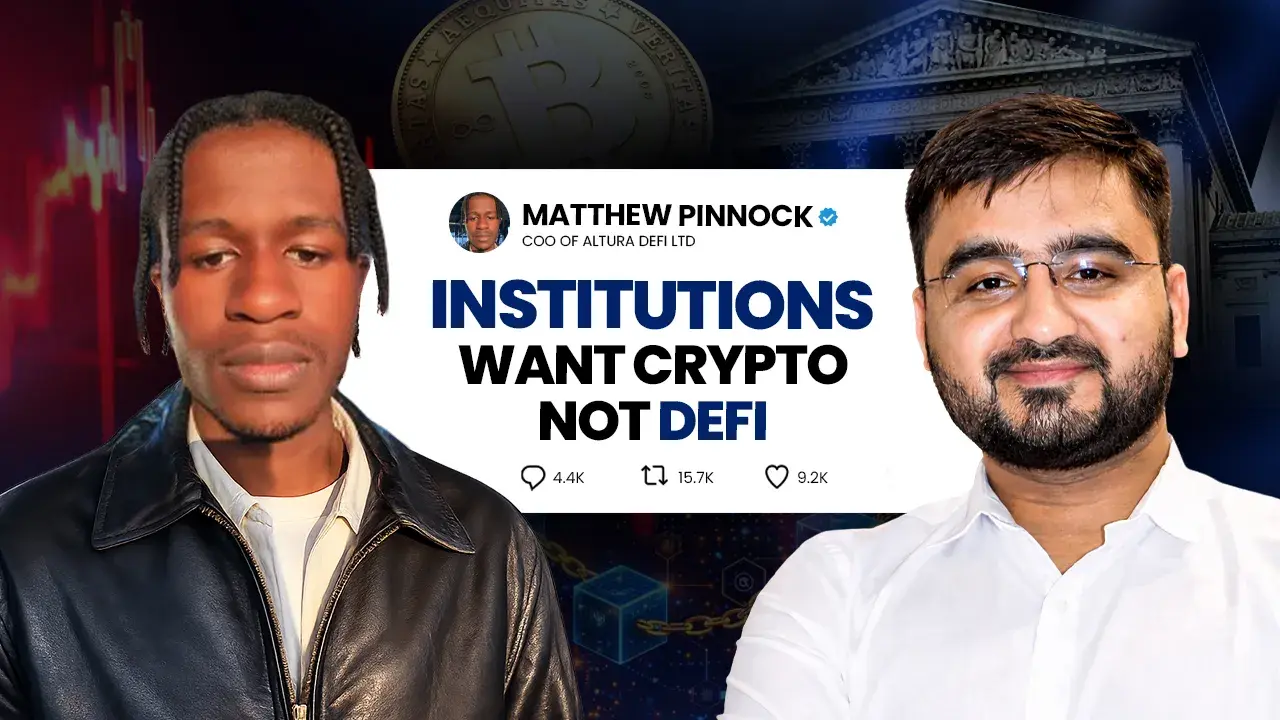
The Future of Finance Isn’t What You Think – Paxos Strategy Head Explains
In this episode, Paxos’ Head of Strategy explains how the future of finance is being rebuilt through tokenization and regulated blockchain infrastructure. Paxos positions itself not as a retail crypto player, but as a backend engine powering major enterprises like PayPal, Mastercard, and Interactive Brokers with services like custody, trading, payments, and stablecoin issuance.
A key theme the podcast discusses is mass tokenization. This is the idea that blockchain is essentially an upgrade to outdated financial infrastructure. Traditional finance runs on siloed, closed databases with multiple intermediaries, while blockchain introduces open systems with faster settlement, global accessibility, and improved transparency.
Stablecoins are highlighted as the first major success case, particularly for global money movement and financial access. In many regions, stablecoins are less about yield and more about access to USD, unlocking financial inclusion. Paxos emphasizes regulation as its core differentiator, arguing that clear frameworks like the Genius Act will drive mass adoption by making the ecosystem safer and more trustworthy.
On competition, Paxos does not see a zero-sum battle between crypto-native firms and banks. Instead, both will coexist: banks will leverage their scale and trust, while regulated non-bank issuers like Paxos will continue to innovate. Stablecoins are expected to evolve into primary global payment rails, potentially competing with systems like SWIFT, though not fully replacing them.
The discussion also touches on the future of crypto markets, highlighting that speculation will fade, and only projects delivering real value will survive. DeFi is expected to grow significantly, including both regulated and unregulated forms.
Looking ahead, Paxos aims to scale stablecoin issuance, expand tokenization beyond fiat into assets like gold, and continue serving as trusted infrastructure for institutions entering crypto.
Guest Speakers

Walter Hessert
Head of StrategyHost

Sunil Sharma
Related Podcasts