DATs:- If there is one model that once promised to bridge traditional finance and crypto, it was the Digital Asset Treasury, or DAT.
But in today’s market, that model is starting to crack.
Recent data from Artemis Analytics shows that the majority of digital asset treasuries are currently sitting on unrealized losses, with only a handful in profit. In some cases, the drawdowns are extreme and run in millions and billions. Firms like Bitmine Immersion Technologies alone are facing losses of more than $6.6 billion.
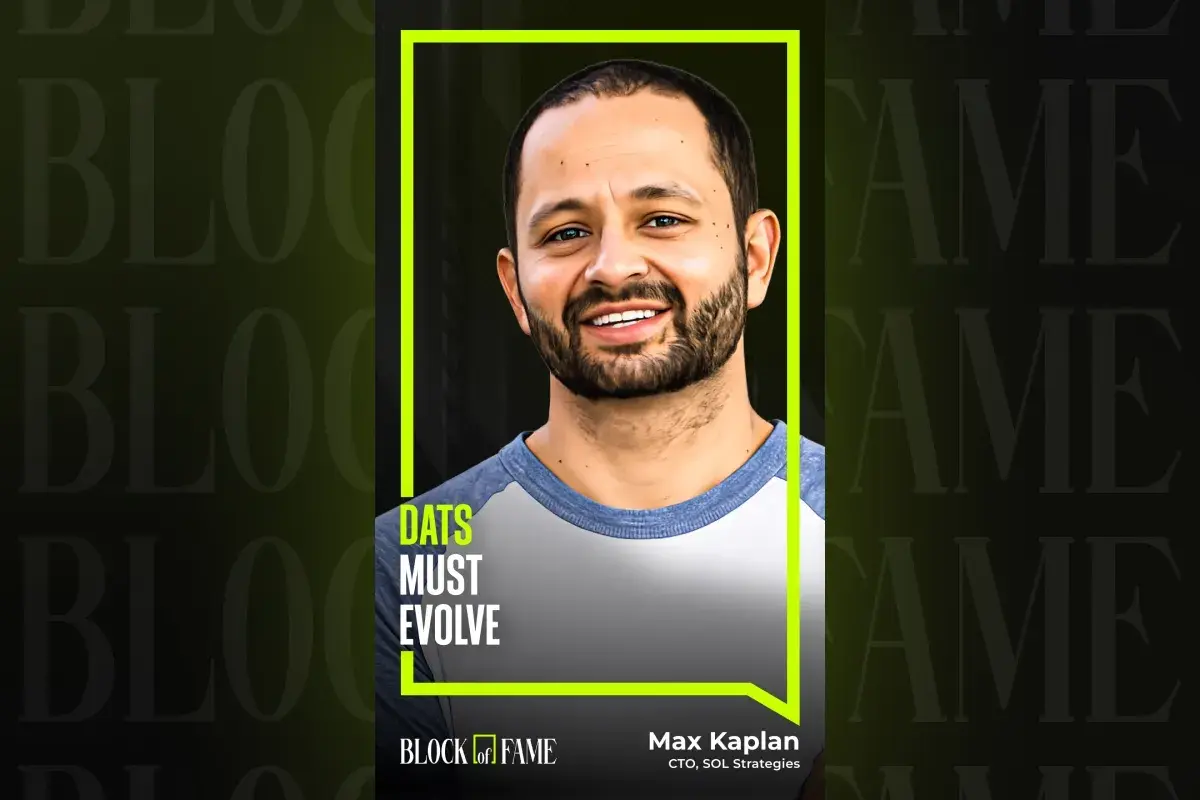
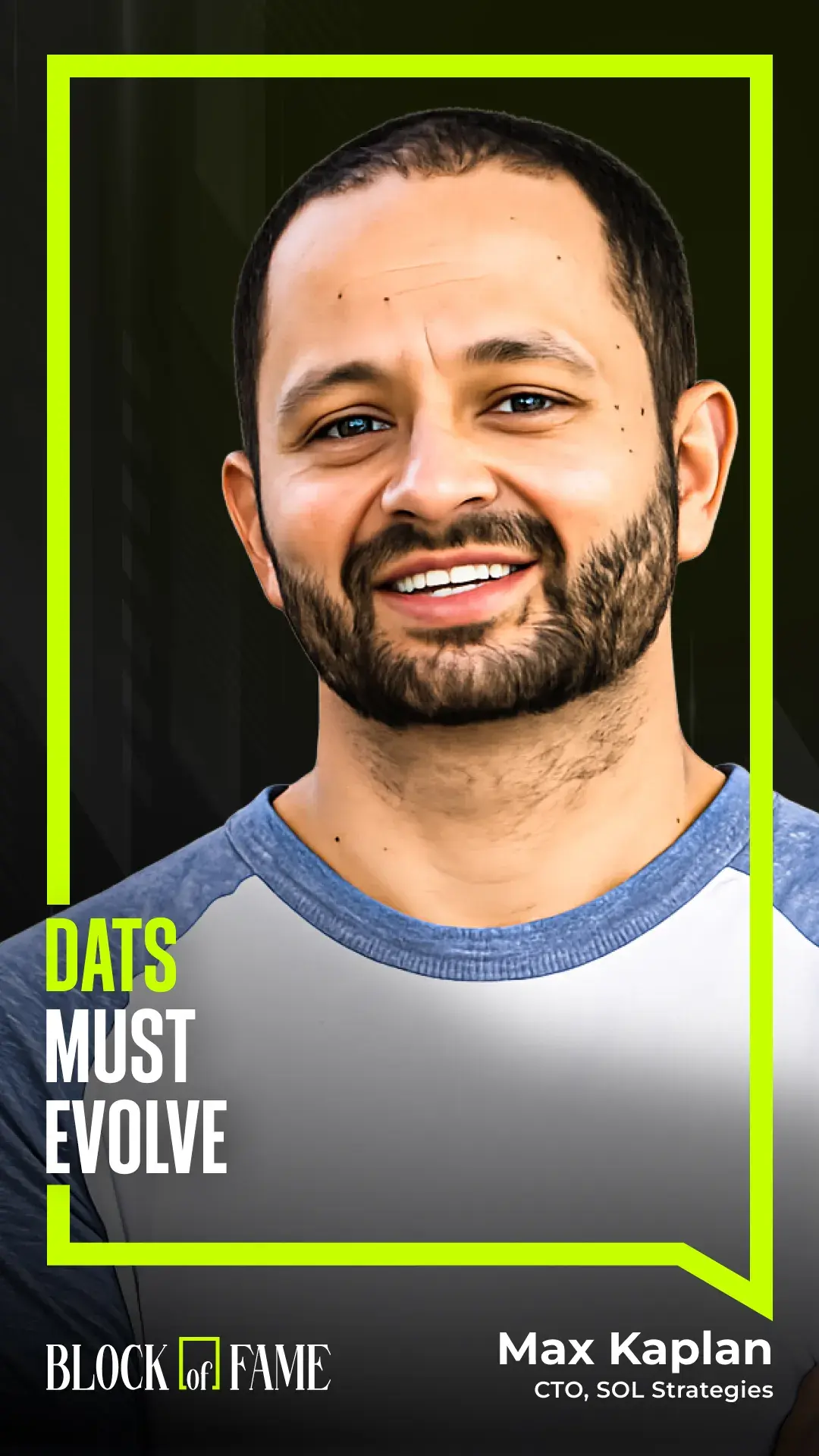
According to Max Kaplan, CTO at SOL Strategies, “consolidation in the DAT space is no longer a possibility, it’s inevitable.”
Many DATs are extremely similar and they don’t present a 10x improvement over ETFs. TradFi today is used to ETFs and will naturally default to ETFs. DATs take awhile for a traditional investor to understand, and while they have upside, they do have downside that is not as commonly understood by the average retail investor,” Kaplan notes.
Also Read: Case Study on Bitmine’s Ethereum Bet
Why Staking Is No Longer Optional
This is also why staking has become central to institutional crypto products. Many DATs are nnow increasingly staking their holdings to generate additional revenues.
“If you are not staking an asset on a proof of stake network, you are getting diluted as stakers and validators receive the inflation rewards, says Kaplan.
Even within staking itself, trade-offs remain.
“Native staking is often viewed as the risk-free rate,” Kaplan explains. “But it comes with lockups. Liquid staking removes that, but introduces smart contract risk.”
The system is not becoming simpler but becoming more nuanced. And for investors, that means choice, not certainty.
Also read: Coinbase x402 Developers on Agentic Commerce
The Essential DAT++ Shift
To explain how DATs need to evolve, Max shares the example of his own DAT, SOL Stratgies. The transition from DAT to DAT++ didn’t happen overnight, it unfolded in phases, shaped as much by market pressure as by strategy.
For SOL Strategies, the early model was straightforward. Like most DATs in 2022–2023, the focus was on accumulating and holding SOL. As the leading Solana DAT, it was specifically relying on balance sheet exposure for upside. But as market conditions tightened, that model began to show cracks across the industry.
By 2023–2024, the shift had begun. The company started building validator infrastructure and expanding staking operations, including the integration of validator businesses like Orangefin Ventures. This marked the move from passive holding to active participation in the network.
As Max Kaplan puts it:
“I’d frame it as less of a transition and more an execution of our original strategy. From the beginning, the goal was never to solely operate the business as a passive digital asset treasury, but to build real infrastructure within the Solana ecosystem.
Operationally, we are one of the biggest staking providers on Solana, and want to continue to improve and grow. We’ve doubled down on improving our product versus trying to play financial engineering games to potentially be minimally better than ETFs at best. We are now the staking provider for VanEck’s ETF and happy to be supporting tremendous partners like them.”
In effect, today SOL Strategies’ model has evolved into DAT++, a hybrid of treasury, infrastructure, and revenue generation. This is something that other DATs such as Bitmine via MAVAN seem to be exploring too.
The timing of this shift aligns with broader market signals. Data from Artemis Analytics shows that most DATs are now trading at or below 1x NAV. This comes even as treasury ownership remains relatively limited, with DATs holding only a small share of total circulating supply under 10% across major assets.
In that environment, the old model of holding assets and hoping for a valuation premium has lost its edge.
Also Read: VARA Counsel on The Next Phase of Digital Finance
The Hidden Inefficiencies in Infrastructure
But even within infrastructure, inefficiencies remain.
Kalpan beleives validator behavior has not fully adapted.
“Validators lag to optimize their own revenue. The longer they wait to produce a block, the more transactions they have to pick from to put into the next block. If a validator builds a block as quickly as possible and there’s a transaction that comes in with a high fee directly after they built their block, the high fee goes to the validator after them, and that is a lost revenue opportunity.
At SOL Strategies, we do none of this because it ultimately harms Solana. Validators that do this are pinching pennies, and missing the forest for the trees. The real revenue opportunity is the price increase in SOL, and the way we get there is Solana being as fast as possible. SOL Strategies is and always will be dedicated to that mission.
Solana vs Ethereum Debate
Amid the market volatility, assets like Bitcoin, Ethereum, and Solana has declined meaningfully over the past three months. There’s a 30-day annualized volatility trending downward across all major assets.
However, Kaplan still sees Solana as fundamentally differentiated.
“It’s a decentralized NASDAQ,” he says.
Ethereum is really far behind in my opinion on scalability and UX. Liquidity is fragmented across hundreds of L2’s and the UX of navigating this experience is extremely complex. While Solana is purpose-built for DeFi and it’s why most trading happens there. Ethereum is more trying to play this game of a credibly neutral, extremely decentralized platform where anyone can do anything. While I’m not sure how Ethereum’s roadmap will play out, it’s clear it still has an advantage in things like TVL and stablecoin supply, mainly from first mover advantage.
What Comes Next for DATs
Looking ahead, the direction is becoming difficult to ignore.
“DATs need operating businesses. The idea of simply just holding a balance on a balance sheet trying to get a multiple to NAV is just not going to work long term. These companies need business models where they are earning revenue to pay their bills.
While many of them have business models completely unrelated to crypto, we at SOL Strategies are 100% focused on Solana and building out our infrastructure business. Buying, holding, and staking won’t be enough for DAT’s long term. There needs to be much more, and I view this trend as inevitable.”
Thus, the next phase of digital asset treasuries will not be defined by what they hold but by what they build.
Why trust CoinGape: CoinGape has covered the cryptocurrency industry since 2017, aiming to provide informative insights to our readers. Our journalists and analysts bring years of experience in market analysis and blockchain technology to ensure factual accuracy and balanced reporting. By following our
Editorial Policy, our writers verify every source, fact-check each story, rely on reputable sources, and attribute quotes and media correctly. We also follow a rigorous
Review Methodology when evaluating exchanges and tools. From emerging blockchain projects and coin launches to industry events and technical developments, we cover all facets of the digital asset space with unwavering commitment to timely, relevant information.
Investment disclaimer: The content reflects the author’s personal views and current market conditions. Please conduct your own research before investing in cryptocurrencies, as neither the author nor the publication is responsible for any financial losses.
Ad Disclosure: This site may feature sponsored content and affiliate links. All advertisements are clearly labeled, and ad partners have no influence over our editorial content.








Share