Key Highlights
- Scorechain launches MCP integration for ChatGPT and Claude.
- The AI-powered tool helps crypto teams streamline AML and blockchain compliance workflows.
- The launch comes as firms face stricter compliance requirements under MiCA and FATF standards
Scorechain:- For crypto firms, compliance has long been one of the biggest operational challenges. Building robust compliance processes while keeping pace with new regulations often means spending hours. Much of the work involves repetitive tasks like checking wallet histories, tracing fund flows, and writing reports.
However instead of spending time gathering information and writing a case summary, Luxembourg-based blockchain analytics and AML compliance provider Scorechain has launched a solution for it.
It has launched Scorechain MCP, a new integration that allows licensed customers to access its blockchain risk intelligence directly within ChatGPT, Claude, and custom AI agents.
With the help of Scorechain MCP, an analyst can ask the AI to do the first draft or explain the transaction. The human still reviews and approves everything, but the process can become much faster. Here’s how
What is Scorechain’s New MCP AI tool
Built on the Model Context Protocol (MCP), Scorechain’s solution enables compliance teams to connect AI assistants with Scorechain’s blockchain analytics. This will allow them to screen wallets, investigate suspicious transactions, and generate compliance documentation using live blockchain intelligence instead of relying solely on general AI knowledge.
The company said Scorechain MCP is now available as an app within ChatGPT. Claude users can also connect through Scorechain’s documentation. However, access to live blockchain data requires an active Scorechain enterprise license.
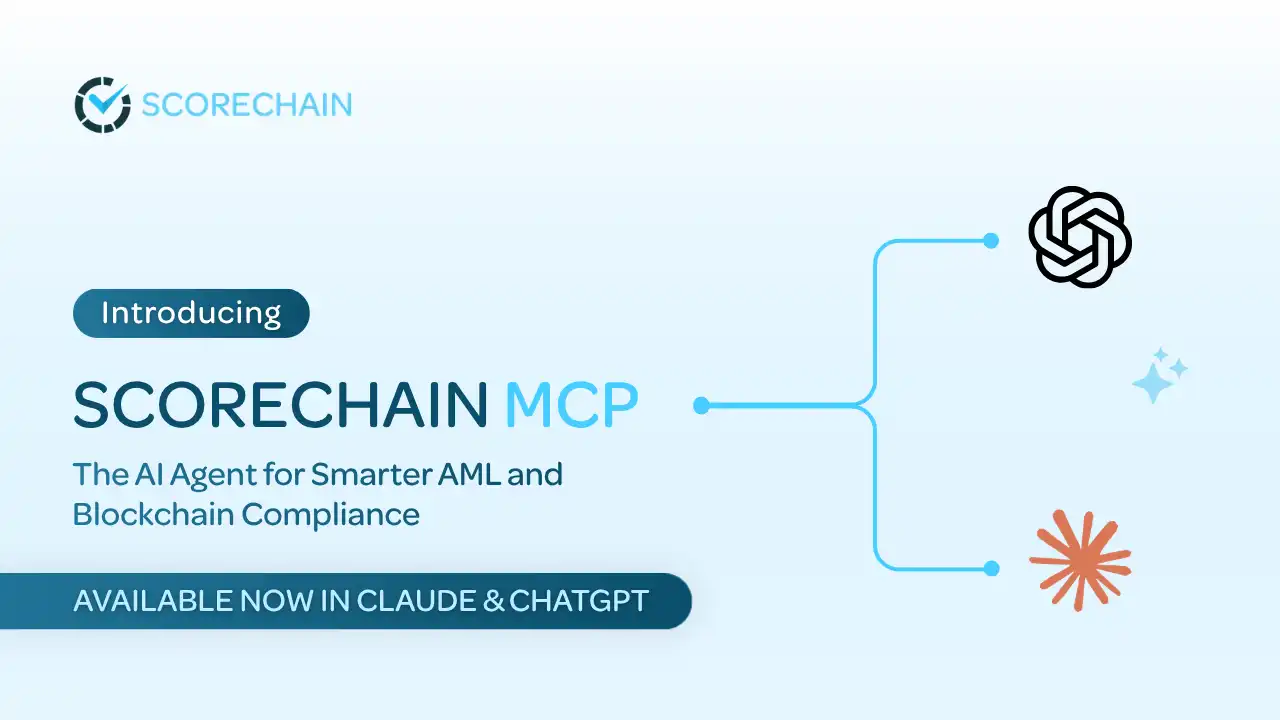
The move expands the reach of a platform already used by more than 200 organizations. Scorechain says it supports 23+ blockchains, maintains a database of over 1 billion labeled blockchain entities. It has conducted 2,700+ Virtual Asset Service Provider (VASP) due diligence assessments to help institutions meet anti-money laundering (AML) requirements.
How ScoreChain’s AI tool Can Help Crypto Firms
Scorechain’s AI tool is particularly helpful when investigations become more complex, such as when funds pass through blockchain bridges, cryptocurrency mixers, or newly created wallets. Instead of simply displaying transaction data, the AI can suggest possible investigative paths and help analysts document their findings more efficiently.
According to the Press Release, the tool can also compare transaction patterns with the Financial Action Task Force (FATF) red-flag indicators for money laundering and terrorist financing. With this, it can help compliance teams identify characteristics that may warrant further investigation. This adds Scorechain’s MPC to the list of best AI Agents for analysis.
The company emphasized, however, that human analysts remain responsible for reviewing, verifying, and approving all compliance decisions and regulatory filings.
Boost for Crypto Compliance?
The launch comes as crypto compliance teams face growing regulatory obligations under various frameworks. For instance, MiCA requires crypto firms to have strong AML and compliance controls. There are number of crypto firms left outside MiCA. The continued implementation of the FATF Travel Rule requires firms to strengthen their anti-money laundering (AML) processes and transaction monitoring.
There are already many firms shifting to agentic workforce. Amidst this, Scorechain MCP can further help them reduce the manual workload involved in day-to-day compliance.
Why trust CoinGape: CoinGape has covered the cryptocurrency industry since 2017, aiming to provide informative insights to our readers. Our journalists and analysts bring years of experience in market analysis and blockchain technology to ensure factual accuracy and balanced reporting. By following our
Editorial Policy,
our writers verify every source, fact-check each story, rely on reputable sources, and attribute quotes
and media correctly. We also follow a rigorous
Review Methodology when evaluating exchanges and tools. From emerging blockchain projects and coin launches to industry events and technical developments, we cover all facets of the digital asset space with unwavering commitment to timely, relevant information.
Investment disclaimer: The content reflects the author’s personal views and current market conditions. Please conduct your own research before investing in cryptocurrencies, as neither the author nor the publication is responsible for any financial losses.
Ad Disclosure: This site may feature sponsored content and affiliate links. All advertisements are clearly labeled, and ad partners have no influence over our editorial content.


 Sneha Agrawal





Share