High Transfer Costs Make Bahaman Payment Platform Turn To Crypto



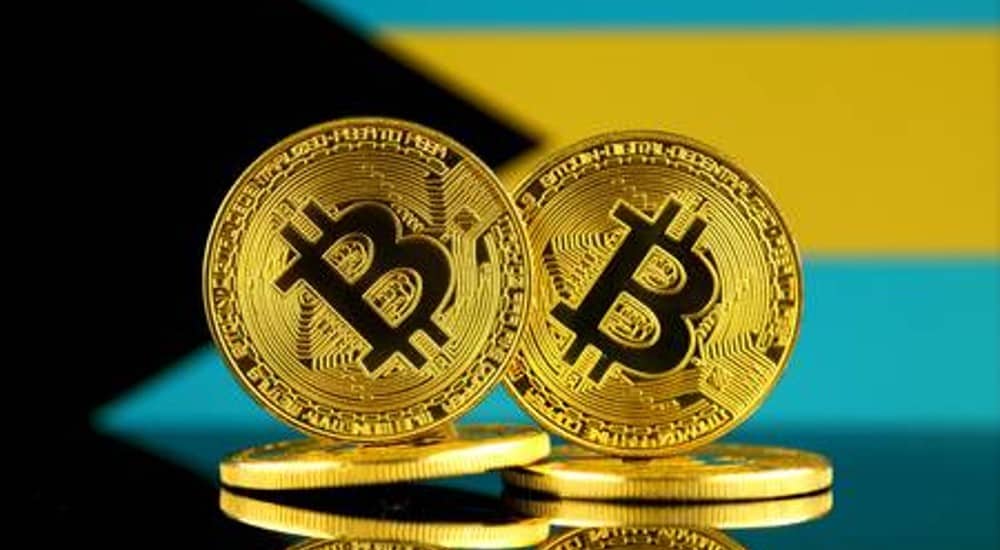
Latin America region is facing high costs and challenges of traditional settlements. People sending money to their close ones have to face high rates of transfer and a good portion of the population is unbanked. And in the wake of resolving this issue, Bahamas Payment Platform, Island Pay, has become the latest company to offer crypto as a remittance option, Bloomberg reported.
Implement Crypto To Avoid High Costs
In Latin America and the Caribbean, Island Pay will roll out a digital wallet that uses Circle’s USDC stablecoin as its main medium of exchange. The wallet, known as CiNKO, will be offered in more than 30 nations and will enable users to fund prepaid cards, conduct business with vendors, and send payments to other users even if they don’t have a bank account.
“Our goal is to continuously look for ways to advance financial inclusion in the region and enhance financial experiences for both the unbanked and banked populations,” Island Pay CEO Richard Douglas stated.
Bloomberg reported that according to an email from Circle’s Chief Business Officer Kash Razzaghi, the CiNKO wallet is a component of a larger initiative to introduce stablecoins and decentralized finance protocols in Latin America. According to a recent report by Circle, the technology might cut the cost of sending money abroad by 80%. While receiving USDC on CiNKO wallets is free, depending on the blockchain the transaction is executed, there may be a “gas fee”.
The payment platform and fintech business based in the Bahamas are not unique. There are already dozens of cryptocurrency wallets and international payment platforms.
Also Read: Why Are Companies Like Meta And Microsoft A Threat To Twitter’s New Logo X?
What Is The Need Of Crypto Payments?
The World Bank reports that the average cost of shipping $200, for instance, is 6.2% and that using conventional financial intermediaries can often take days. Despite this, remittances to Latin America and the Caribbean increased by 27% in 2021 and 11% in 2022, reaching $145 billion in 2017. Remittances are anticipated to reach an all-time high despite the region’s GDP slowing to 3.3% this year.
According to Monica Talan, the founder of CryptoConexion, an educational portal on Web3 and decentralized finance, one of the primary obstacles to cryptocurrency remittances is the ease of use. There aren’t many locations to spend Bitcoin or ether in the majority of Latin American countries.
Also Read: Binance and Chief CZ Proceed for the Dismissal of the CFTC Lawsuit
Instant Currency Exchange at BestChange with Ease
- Compare Rates Across 1000+ Exchanges
- Access 250+ Cryptocurrencies & Pairs
- Save Time with Real-Time Price Tracking

Why Trust CoinGape
CoinGape has covered the cryptocurrency industry since 2017, aiming to provide informative insights Read more… to our readers. Our journal analysts bring years of experience in market analysis and blockchain technology to ensure factual accuracy and balanced reporting. By following our Editorial Policy, our writers verify every source, fact-check each story, rely on reputable sources, and attribute quotes and media correctly. We also follow a rigorous Review Methodology when evaluating exchanges and tools. From emerging blockchain projects and coin launches to industry events and technical developments, we cover all facets of the digital asset space with unwavering commitment to timely, relevant information.



Delivered every day.
- Insights that move markets
- 100,000 active subscribers