
 Claim Bonus
President Joe Biden Plans to Criminalize Bitcoin Software Developers, Says Senator Cynthia Lummis



Highlights
- Senator Cynthia Lummis says Biden admin is wrongly interpreting FinCEN laws to stifle Bitcoin software developers.
- DoJ's interpretation of Bitcoin software developments can wrongly categorize Bitcoin developers as criminals.
- She also defended individual rights to self-custody their crypto assets.
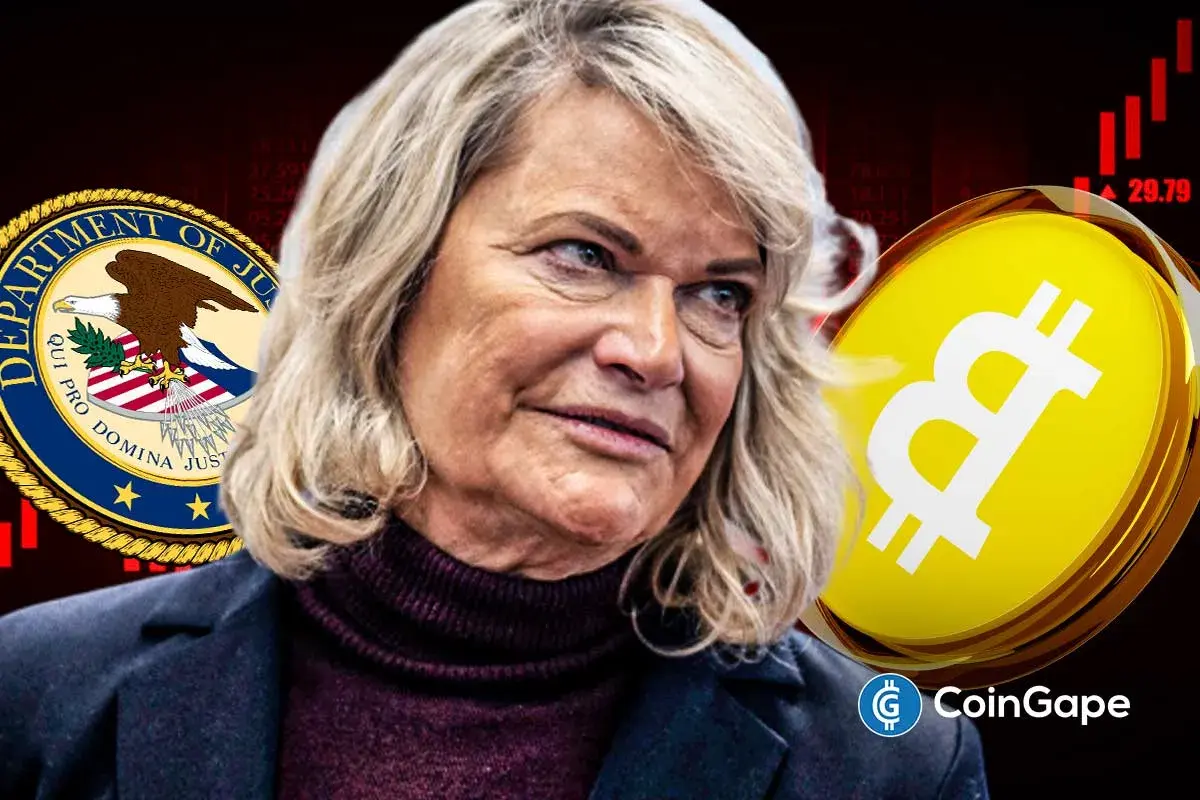
Cynthia Lummis, the Bitcoin-supporting U.S. senator from Wyoming, has stated that the Biden administration has been trying to criminalize the development of the Bitcoin software while trying to wrongfully apply FinCEN laws.
Drop FinCEN Interpretation for Bitcoin
In a joint effort, U.S. Senators Cynthia Lummis (R-WY) and Ron Wyden (D-OR) have penned a letter addressed to U.S. Attorney General Merrick Garland, expressing profound concerns regarding what they perceive as a divergence in the U.S. Department of Justice’s (DOJ) interpretation of “money transmission” regulations.
Furthermore, they also argue that this deviation from the well-established definition outlined by the Treasury Department’s Financial Crimes Enforcement Network (FinCEN) could potentially criminalize fundamental aspects of Bitcoin and other cryptocurrency networks. Moreover, they assert that this change inhibits responsible financial innovation within the United States.
Senator Lummis articulated, “The Biden administration’s alteration of FinCEN’s interpretation not only strays from legal precedent but also undermines the entrepreneurial spirit that drives America’s global economic prominence.”
She emphasized the importance of distinguishing between wallet software and illicit finance, likening the former to a highway and refuting the notion that it is responsible for facilitating criminal activities. Thus, Lummis remains steadfast in her commitment to preserving individuals’ rights to self-custody of their assets and ensuring that the burgeoning Bitcoin and cryptocurrency industry can operate within the bounds of the law. She also asserts that safeguarding the right to store private keys in personal wallets is paramount.
Don’t Treat Software Developers As Criminals
Senator Wyden emphasized the necessity for robust law enforcement against individuals utilizing digital assets for money laundering or tax evasion while cautioning against conflicting interpretations of the law by law enforcement agencies.
Expressing his apprehension, Wyden stated, “I’m concerned that the DOJ’s interpretation would unjustly categorize software developers as criminals simply for creating and disseminating code utilized by others – a precedent that contradicts established legal norms and raises significant First Amendment issues.”
Wyden, along with Senator Lummis, urged the Justice Department to align its approach with that of the Treasury’s Financial Crimes Enforcement Network, prioritizing action against individuals illicitly transmitting digital assets rather than targeting software developers and innovators.
Amid the high-handed actions of the Biden administration, Republican candidate Donald Trump has extended help to support the crypto industry if he comes to power. Several top personalities from the crypto space also believe that Trump would be better than Biden when it comes to handling crypto regulations.

Why Trust CoinGape
CoinGape has covered the cryptocurrency industry since 2017, aiming to provide informative insights Read more… to our readers. Our journal analysts bring years of experience in market analysis and blockchain technology to ensure factual accuracy and balanced reporting. By following our Editorial Policy, our writers verify every source, fact-check each story, rely on reputable sources, and attribute quotes and media correctly. We also follow a rigorous Review Methodology when evaluating exchanges and tools. From emerging blockchain projects and coin launches to industry events and technical developments, we cover all facets of the digital asset space with unwavering commitment to timely, relevant information.



Delivered every day.
- Insights that move markets
- 100,000 active subscribers
Related Articles




- Breaking: U.S. CPI Inflation Comes In At 2.7%, Bitcoin Rises
- Bitget Launches One-Click Bot Copying for Crypto Users as Algorithmic Trading Goes Mainstream
- Senate Releases Amended CLARITY Act Ahead of Markup as Stablecoin Yields Come Into Focus
- Cardano Founder Slams President Trump, Says His Memecoins Stalled U.S. Crypto Bills
- Monero (XMR) Hits Record High After 44% Rally Just Hours After UAE Privacy Token Ban
- Bitcoin Price Eyes $100k as Core US Inflation Slips Ahead of CLARITY Act Markup
- Why Is MSTR Stock Price Down Despite Recent Bitcoin Purchase
- Pi Coin Price Prediction: How Mainnet Migration and New Tokens Supply Could Affect Pi Network?
- Crypto Stocks To Watch: MSTR, Metaplanet, and S&P 500 price
- Solana Price Targets $200 as WisdomTree Declares Its Dominance Structural
- Bitcoin Price Prediction Amid DOJ Probe as Powell Indictment Fears Cool