


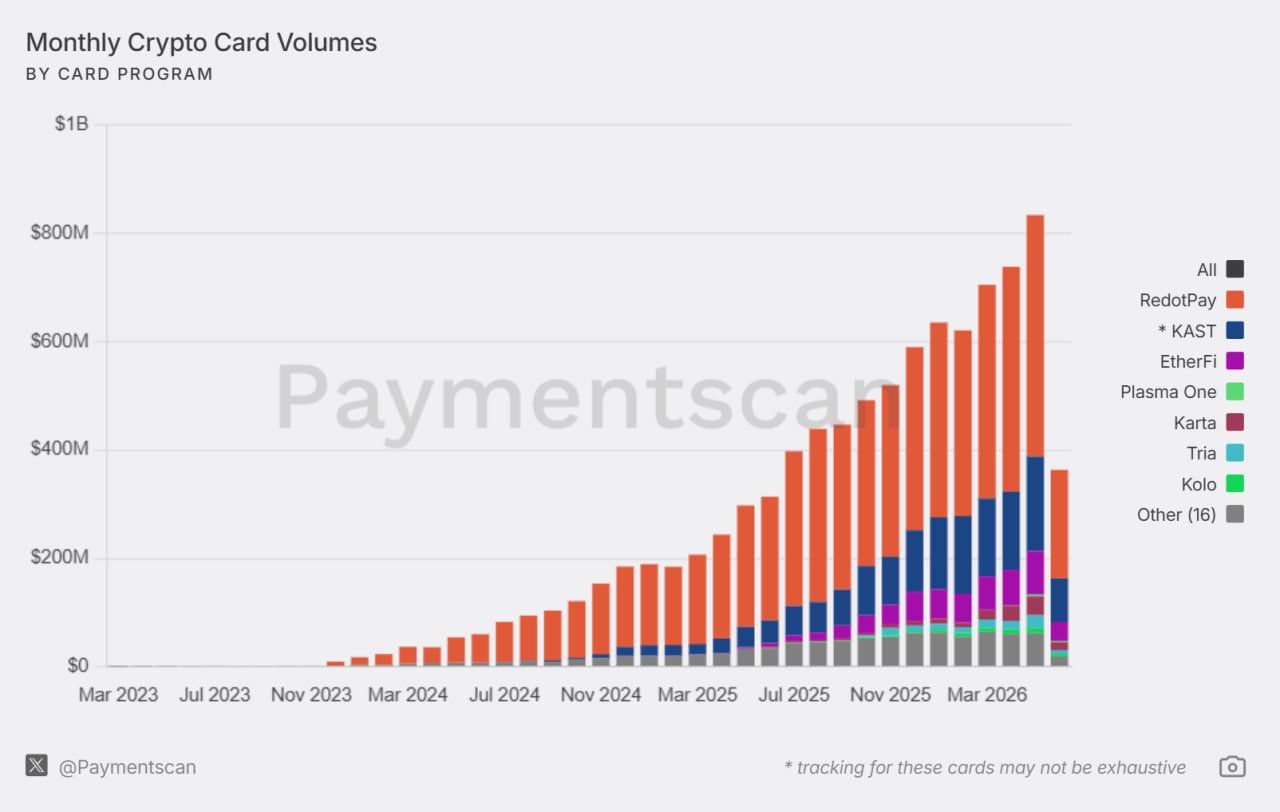
Plasma One:- With over 300 billion in market supply, stablecoins have definitely have become the leading mode of payment settlement. The more interesting growth is in the crypto cards. Stablecoin-linked cards have processed approximately $5.2 billion in payment volume in 2025, up 319% year-over-year.
However, now companies are no longer relying only on blockchain rails or cards for stablecoin payments. This comes as industry is increasingly looking for revenue that does not depend on whether Bitcoin is rising or falling.
That shift is helping create a new category of products: stablecoin neobanks which not only allows users to spend but also spend and do other activities.
One of the latest entrant is Plasma One, a traditional banking-style application but built around stablecoins. The neobank app, which went live on Wednesday, combines stablecoin savings, payments, transfers, FX conversions and a Visa-linked card. It allows users to store, move and spend stablecoins from a single account just as a tradfi bank account would allow.
Plasma One is live now.
Join in the next 7 days and get the Core tier free for your first year. Over $1,000 in value, reserved for early users. pic.twitter.com/NCzIGZ04hA
— Plasma (@Plasma) June 17, 2026
Why Plasma One is More than a Crypto Card
At first glance, it looks like another crypto card launch. But Plasma’s ambitions run much deeper.
Plasma debuted as a stablecoin focused blockchain in April last year. Its stablecoin neobank Plasma One is the consumer-facing layer of that strategy.
Plasma One works around a stablecoin balance that behaves more like an account than a simple crypto card. The product extends that balance into transfers, FX, local payment rails, and everyday spend, which makes the card part of a broader account experience.
The stablecoin neobank has also introduced three membership tiers. These are Lite, Core and Platinum aimed at different categories of users. Alongside spending features, users can earn yield on their stablecoin balances, making the product look more like a digital bank account than a traditional crypto app.

Backed by Tether CEO Paolo Ardoino and PayPal co-founder Peter Thiel, Plasma One had raised $24 million to build a stablecoin-first financial platform.
According to company figures highlighted by Delphi Digital, card spending volume exceeded $9 million during the beta period. It has generated more than 44,000 transactions and attracted nearly 9,000 activated users. Placing it among the popular crypto cards, total value locked on the platform surpassed $11 million. Those numbers were achieved before the broader public rollout that has happened now.
Why Crypto Neobanking is on the Rise
Stablecoin-native neobanks are the model closest to replacing parts of traditional banking. There are number of neobanks being launched around in web3 such as KAST recently nominated as Best digital neobank in CoinGape Institutional Awards.
Most crypto cards only let users spend crypto. Example, Plasma One is designed so users can hold stablecoins in an account. They can send and receive money, convert currencies (FX). Users can use local payment networks, Pay for everyday purchases
Other Articles...


So the card is just one feature of the leading neobanks. The idea comes from a pure business math. In general, a card businesses don’t make much money.
When a user swipe a Visa or Mastercard, Merchant pays a fees with total fee may be around 1-2%. But then Visa, Mastercard, banks, processors, fraud costs, rewards, chargebacks all take their share
What’s left for the card issuer is often very small. However, the business becomes more durable when users hold balances inside the account before they transact explaining the economics of Neobanks. This means Plasma wants users to keep USDT or stablecoins parked in their account.
The launch also reflects a broader trend highlighted by Delphi Digital in its latest crypto neobank report. Delphi believes the next major crypto winners will be neobanks built around stablecoin accounts, not exchanges. These platforms will offer banking-like services while hiding the complexity of crypto from users.
The report also links to the rising spending across major Visa-linked crypto card programs which has increased 525% during 2025.

 Sneha Agrawal

Share