







Buy


This guide compares the best crypto debit, credit, and virtual prepaid cards available in 2026.
We don’t rank cards based on marketing claims. We look at how they behave in real-world usage after fees, spreads, caps, and staking requirements.
Because high cashback means nothing if hidden costs eat it.
Each card below is evaluated using the same framework, so you can compare them clearly and choose what actually fits your usage.
CoinGape has been covering cryptocurrency and blockchain markets since 2017. Our editorial team evaluates projects and platforms using structured review frameworks focused on transparency, utility, and risk assessment. You can explore our review methodologies to see how we assess and rate different categories. We maintain clear editorial standards and disclose advertising or affiliate relationships where applicable.
Use filters or compare projects to choose the best Credit and Debit Cards for you.
Rankings are based on our evaluation framework, not payouts.

KAST Card
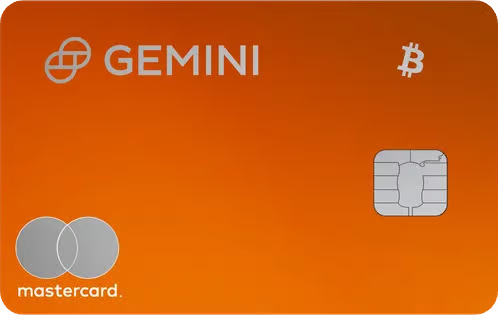
Gemini Mastercard® Credit Card

EtherFi Cash Card
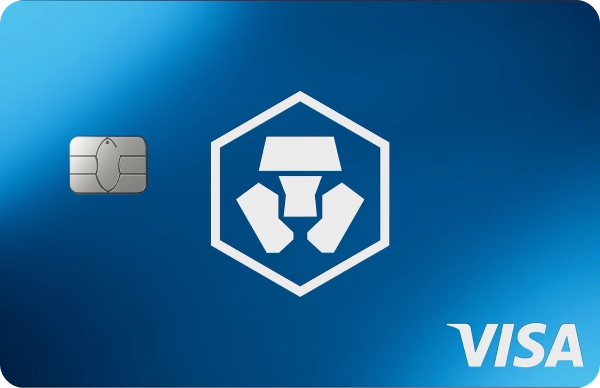
Crypto.com Prepaid Visa Card
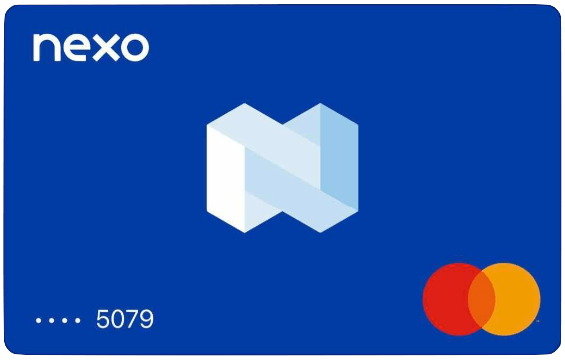
Nexo Card
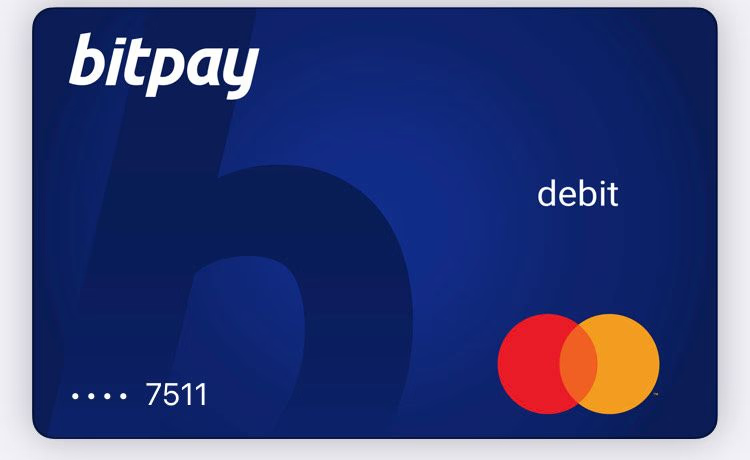
BitPay Prepaid Card
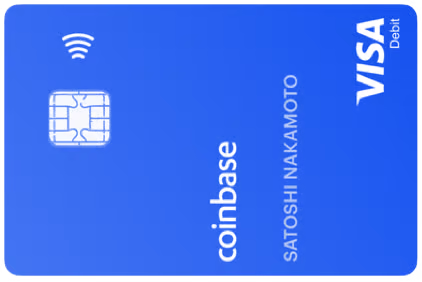
Coinbase Visa Prepaid Card
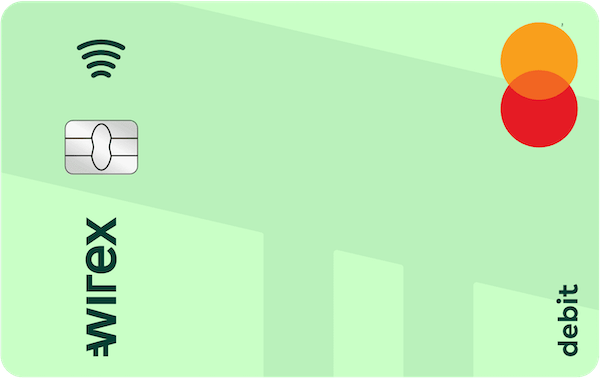
Wirex Debit Card
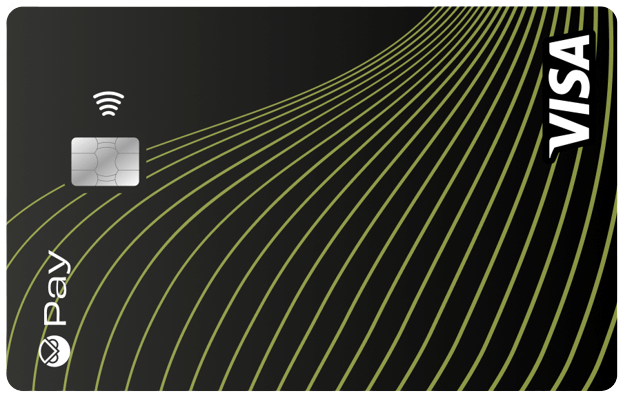
Gnosis Pay Debit Card
Zypto Prepaid Card
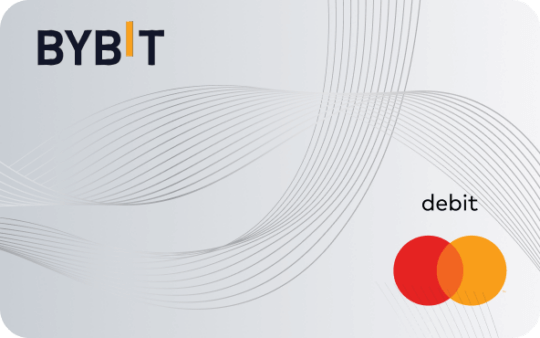
Bybit Prepaid Mastercard Card
Fees and rewards can change; we recommend checking official terms before applying.
Best for Global Stablecoin Spending
KAST is not a bank. Instead, it operates as a stablecoin-native financial platform that uses licensed and regulated partners to provide a Visa card, USD account, and on-chain deposit infrastructure, all in one place.
KAST is one of the most straightforward crypto cards to use. You simply deposit stablecoins like USDC or USDT and other cryptocurrencies like SOL, ETH, and BTC into your KAST account. Once the deposit is made, you can spend your funds anywhere Visa is accepted, which is 150 million+ merchants and in 170+ countries.
KAST operates on three membership tiers: Standard (free), Premium ($1,000/year), and Private ($10,000/year). Each option unlocks a higher Visa card class, higher cashback rates, and additional KAST Points rewards. The free Standard tier is the entry point for most users, and it offers two free physical or virtual cards.
According to their website, there are no staking requirements to earn cashback. USD cashback posts the moment a transaction is authorized, and it applies to all eligible card spend. Plus, KAST pays cashbacks in real USD and not tokens. Unlike most cards, KAST is not a US-only service. There’s a wide coverage of over 170+ countries, including regions with poor financial infrastructure.
| Annual Fee | Free (0$) for standard cards, $1,000/year for premium cards, $10,000/year for private cards |
| Top-Up Fee | 0% |
| Card Spend Fee (USD) | 0% |
| Foreign Exchange Fee (Non-USD) | 0.5% – 1.75% (varies by country) |
| Small Transaction Fee (Non-USD, under $25) | $0.10 |
| Declined Transaction Fee | $0.50 |
| Apple Pay / Google Pay Fee | 0% |
| Crypto Deposit Fee (non-stablecoin) | 2–5% (auto-converted to stablecoins) |
| Stablecoin Deposit Fee | 0% |
| ACH Deposit Fee | $2 |
| FedWire Deposit Fee | $15 |
| Cash Withdrawal Fee | $750 daily ($250 in a single transaction) |
| ATM Limit | Up to $250 per withdrawal / $750 per 24 hours (max 3 withdrawals) on the Standard tier |
| Card Transaction Limit | Unlimited |
| Account Balance Limit | Unlimited |
| Account Deposit Limit | Unlimited |
| Virtual Card Cost | Free (first 2); $2 each after. (Rate differs in some countries) |
KAST has two separate reward mechanisms that stack depending on tier.
Best suited for:
Less suitable for:
Best for U.S. users wanting instant crypto rewards without staking
The Gemini Mastercard® is a U.S.-issued crypto rewards credit card powered by WebBank. Unlike prepaid crypto cards, this is a proper revolving credit card, which means you’re borrowing money and paying it back like any traditional credit card.
What makes Gemini stand out is that it gives crypto rewards instantly at the time of purchase. There’s no staking requirement and no annual fee.
It’s mainly designed for U.S. users. While it runs on the Mastercard network (so it works globally where Mastercard is accepted), issuance and eligibility are U.S.-based.
| Purchase APR: | 16.49% – 34.49% (variable) |
| Cash Advance APR: | 29.49% (variable) |
| Penalty APR: | 33.49% (variable) |
| Annual Fee: | $0 |
| Foreign Transaction Fee: | None |
| Cash Advance Fee: | Not available for withdrawals, only online purchases |
| Late Payment Fee: | $8 |
| Returned Payment Fee: | $25 for first, $35 after that (within 6 billing cycles) |
Gemini keeps the reward structure simple:
Rewards are credited instantly to your Gemini account in crypto.
That instant payout is actually one of its strongest features compared to cards that pay monthly.
Gemini is one of the cleanest crypto rewards credit cards available in the U.S.
That’s a strong combo.
But remember this is still a credit card. If you carry a balance, the APR can go above 30%, which completely wipes out any reward advantage.
So this card works best for people who:
If you revolve balances, it’s not worth it.
Best for DeFi users
The EtherFi Cash Card is a DeFi-native secured Visa credit card that lets you spend against your crypto without selling it. Instead of acting like a traditional prepaid debit card, EtherFi allows users to borrow against on-chain collateral through a non-custodial vault structure. Your assets remain in smart contract custody while you access a credit line.
It supports stablecoins like USDC, USDT, and LiquidUSD for spending, and uses Ethereum ecosystem assets (ETH, eETH, stETH, and select vault tokens) as collateral. Apple Pay, Google Pay, and virtual cards are supported. KYC is required.
This is clearly designed for active DeFi users, not casual exchange holders.
Countries (Account Access Restricted):
Estonia, Finland, India, China, Netherlands, South Africa, Turkey, Israel, Vietnam
Restricted U.S. States:
Arizona, Delaware, Georgia, Idaho, Louisiana, Maryland, Missouri, Montana, Nevada, New Mexico, North Dakota, Ohio, Oregon, Rhode Island, South Dakota, Utah, Vermont, Washington, Wisconsin, Wyoming
Spending Not Supported In:
North Korea, Iran, Russia, Syria, Cuba, Venezuela, Myanmar, Ukraine, Colombia
(Source: EtherFi legal documentation)
| Borrow Rate | ~4% APY (variable) |
| Foreign Exchange Fee | 1% on non-USD transactions |
| ATM Withdrawal Fee | $750 daily ($250 in a single transaction) |
| ATM Limit | $250 per withdrawal; max 3 attempts per 24 hours |
| Physical Card Deposit | $25 deposit (Core tier physical card) |
EtherFi makes sense for:
It does not suit:
If you understand collateral ratios and DeFi borrowing mechanics, this card can be powerful. If not, it may feel complex quickly.
Best for European users who want Debit + Credit flexibility
The Nexo Card is a dual-mode Mastercard available to verified residents in the EEA and the UK. It is issued by DiPocket UAB and works in two ways:
There are no annual, monthly, or inactivity fees. However, rewards and borrowing rates depend on your Loyalty Tier, which is determined by how much NEXO token you hold relative to your portfolio. No staking lock is required, but holding NEXO increases benefits.
Full identity verification is required.
| Annual / Monthly Fee | None |
| Inactivity Fee | None |
| Credit Mode Interest | From 2.9% APR (depends on tier & LTV) |
| Cashback Eligibility | Credit Mode only + $5,000+ balance required |
| ATM Allowance (Base) | €200 / £180 / $150 per month |
| ATM Withdrawal Limit | €2,000 daily (€600 per withdrawal) |
| ATM Fee After Limit | 2% (min €1.99 / £1.99) |
| FX Fee (Weekdays – EEA) | 0.2% |
| FX Fee (Weekdays – Rest of World) | 2% |
| FX Fee (Weekend – EEA) | 0.7% |
| FX Fee (Weekend – Rest of World) | 2.5% |
| Small Crypto Exchange Fee | $0.99 ($10–$100), $1.99 ($100–$250) |
Cashback (Credit Mode only, $5,000+ balance required):
Rewards are paid only in NEXO or BTC.
Additional benefit:
This makes it more of a hybrid earning + spending product.
Best suited for:
Less suitable for:
If you’re not maintaining meaningful balances, effective rewards are modest.
Best for U.S. users who want simple crypto-to-fiat spending
The BitPay Card is a prepaid Mastercard issued by Metropolitan Commercial Bank (Member FDIC). It follows a straightforward load-and-spend model — no credit line, no borrowing, no staking, and no loyalty tiers.
Users convert crypto to USD inside the BitPay app, load the card, and then spend like a regular prepaid debit card. The USD balance held on the card is FDIC-insured once loaded.
Currently, new applications are temporarily paused, and users can only join a waitlist while BitPay updates the program. Existing cardholders can continue using their cards.
This is a U.S.-only product requiring full identity verification, including a Social Security Number. Only one card per account is permitted.
| Annual / Monthly Fee | None |
| Dormancy Fee | $5/month after 90 days inactivity |
| Load Fee ATM Fee (U.S.) | Free (via BitPay wallet) |
| ATM Withdrawal Limit | $6,000 per day max ($2,000, 3 withdrawals per day) |
| Card Replacement | $2.50 + 3% FX |
| Maximum Card Balance | 3% $10 standard / $30 expedited |
| Daily Purchase Limit | $25,000 |
| Daily Load Limit | $10,000 |
| ATM Limit | $10,000 |
| Monthly ATM Cap | $2,000 per withdrawal (max 3/day) |
BitPay does not offer universal cashback.
Instead:
There is:
Rewards depend entirely on participating merchants.
Best suited for:
Less suitable for:
If you want complexity, tiers, or yield mechanics, then this is not that card.
Best for U.S. Coinbase users who want simple crypto rewards
The Coinbase Card is a Visa prepaid debit card issued by Pathward, N.A. (Member FDIC) and powered by Marqeta. It is not a credit card and does not require a credit check.
You fund the card directly from your Coinbase balance. When you make a purchase, Coinbase converts your selected crypto asset into USD, and the transaction settles via Visa.
USD balances loaded onto the card are eligible for FDIC pass-through insurance up to $250,000 via Pathward and partner banks. And crypto held in your Coinbase account is not FDIC insured.
The card is available in the United States (except Hawaii). You must be:
There is no staking requirement and no annual fee.
| Annual Fee | 0$ |
| Monthly Fee | 0$ |
| Inactivity Fee | 0$ |
| Card Transactions | 0$ |
| Foreign Transaction Fee | $0 |
| Coinbase fee ATM Withdrawals | $0 Coinbase fee (ATM operator may charge) |
| Crypto Conversion | No stated fee, but spread applies |
| Card Replacement | Free |
| Maximum Card Balance | $25,000 |
| Daily Reload Limit | $5,000 (max 2 reloads per 24 hrs) |
| Daily POS Spending Limit | $2,500 |
| Daily ATM Limit | $1,000 (max 6 withdrawals/day) |
The Coinbase Card offers crypto rewards, but the rate is variable and promotional.
Key details:
There is no fixed 4% or guaranteed long-term rate — the reward percentage depends on current promotions inside the app.
Note: The standard Coinbase Card is separate from the Coinbase One Card (American Express credit card product with different reward mechanics).
Best suited for:
Less suitable for:
If you’re already using Coinbase as your main exchange, this is a convenience extension, not a premium rewards card.
Best for active users willing to subscribe and lock WXT for higher rewards
The Wirex Debit Card is a Visa or Mastercard (network varies by region) linked directly to your Wirex account. It works like a standard debit card — you spend from your available fiat or crypto balance. There is no credit line.
Wirex combines multi-currency fiat and crypto wallets, in-app exchange, subscription plans, and its WXT-powered Cryptoback™ rewards system. Virtual cards, spending controls, and currency conversion tools are available inside the app.
Rewards depend on both your subscription level and how much WXT (Wirex Token) you lock for 180 days. Higher tiers unlock significantly higher cashback rates, but require paid plans and substantial token commitment.
| Standard Plan | €0 |
| Premium Plan | €9.99/month or €102/year |
| Elite Plan | €29.99/month or €306/year |
| Card Issuance | Free |
| Card Delivery | Paid (e.g., £5 UK, €5–€15 EEA) |
| ATM Free Allowance (UK) | 200 GBP/month |
| ATM Withdrawal Limit | €500 per day (5 withdrawals max) €5,000 per month |
| ATM Free Allowance | (APAC/SG) 200 SGD/month |
| ATM Free Allowance (Australia) | 400 AUD/month |
| ATM Fee After Limit | 2% per withdrawal |
| Foreign Exchange (Card Spend) | No direct FX fee |
| In-App Currency Conversion | Variable exchange fee shown before conversion |
| WXT Lock Period | 180 days |
| Reward Caps | Monthly caps apply (e.g., 10,000–250,000 WXT depending on tier) |
Rewards are paid only in WXT.
Rates depend on subscription + WXT locked for 180 days.
Note: The 8% rate is only available under Elite Ultimate and requires locking 7.5M WXT for 180 days.
Monthly reward caps apply and fiat value depends on WXT price.
Best suited for:
Less suitable for:
At the free Standard tier, rewards are modest.
Best for self-custody users and Web3-native spenders
Gnosis Pay is a Visa debit card connected to a self-custodial Safe smart contract wallet on Gnosis Chain. Your funds remain in your Safe, you control your private keys, and you spend stablecoins directly from your wallet — there is no centralized exchange custody.
The card combines on-chain self-custody with traditional Visa payment rails. Infrastructure is handled by licensed partners including Monavate (issuer), Paymentology (processing), Sumsub (KYC), and Elliptic (blockchain monitoring).
Supported spending assets on Gnosis Chain:
Spending is 1:1. If you spend €10, 10 EURe leaves your Safe. There is no crypto-to-fiat spread and no internal conversion markup. For foreign transactions, Visa’s exchange rate applies with no added FX markup from Gnosis Pay.
This is a Web3-native product and not designed for beginners unfamiliar with self-custody wallets.
| Card Issuance | Free (including shipping) |
| Card Replacement | 4.99 EURe / GBPe / US |
| Annual Fee | None |
| Purchase Transaction Fee | None |
| FX Markup | None |
| Free ATM Allowance | 5 withdrawals OR 200 EURe/GBPe/USDCe per month |
| ATM Fee After Allowance | 2% per withdrawal |
| Daily ATM Limit | 500 EURe / GBPe / USDCe |
| Cash Withdrawal | €5,000 per week |
| Daily Spending Limit | 8,000 EURe / GBPe / USDCe |
| Single Transaction Limit | 5,000 EURe / GBPe / USDCe |
| Apple Pay / Google Pay | Supported |
| Availability | 34 European countries + UK, Switzerland, Norway, Iceland, Argentina, Colombia, Brazil |
Cashback is paid weekly in GNO to your Safe wallet.
Cashback does not apply to ATM withdrawals, government payments, wallet top-ups, or certain restricted categories.
Best suited for:
Less suitable for:
If you prioritize sovereignty and on-chain control over simplicity, this card fits well.
Best for high-limit spenders who want flexible crypto funding
Zypto offers multiple crypto debit card products rather than a single card. Options include Premium Physical (Visa Signature), Classic Physical (Visa), Reloadable Virtual, and Single-Load Virtual (some on Mastercard).
Crypto is converted to fiat at the time of top-up, not at spending. Once loaded, you spend fiat like a standard debit card. Zypto supports 100+ cryptocurrencies including BTC, ETH, SOL, XRP, USDT, USDC, SHIB, and LTC. Funding can be done directly from external wallets or exchanges — no centralized exchange custody required.
Each card type has different fee structures and limits, with Premium designed for high POS spenders and Classic offering higher ATM ceilings at a higher cost.
| Upfront Cost | $50 (activation + shipping) | $100 (part credited) |
| Monthly Fee | $0 | $12 |
| Reload Fee | 3% per top-up | $6 + 4.5% per reload |
| FX Fee | 1.75% | 2.75% |
| Transaction Fee | $0.30 | $0.30 |
| ATM Fee | 1% | $4 + 1% |
| Single POS Limit | $175,000 | $150,000 |
| Monthly POS Limit | $1,000,000 | $525,000 |
| ATM Withdrawal Limit | Premium card: $750 ATM withdrawal daily ($250 in a single transaction) Classic card: $3,000 ATM withdrawal daily (5 transactions max) |
| Daily ATM Limit | $750 | $3,000 |
Zypto uses a points-based system called ZYP.
Additional earning methods include referrals, swaps, bill payments, and holding $ZYPTO token.
Rewards operate within the Zypto ecosystem rather than paying out in BTC or USDC.
Best suited for:
Less suitable for:
Premium generally offers better overall value than Classic unless ATM limits are your priority.
Best for users willing to lock CRO for premium perks
The Crypto.com Visa Card is a prepaid debit card launched in 2018 and issued through regional banking partners. It runs on the Visa network and is available in the US, UK, EU, Canada, and parts of APAC (availability varies by region). It is not a credit card.
You must complete full KYC verification to qualify. The card spends from your Crypto.com fiat wallet and cannot be used to directly purchase crypto.
Rewards and perks are structured under Crypto.com’s Level Up system. Higher tiers require either:
Without CRO commitment, rewards are limited.
| Annual Fee | $0 |
| Monthly Fee | $0 (Level Up subscription separate) |
| Card Max Balance | $25,000 |
| Inactivity Fee | $4.95/month after 12 months inactivit |
| Account Closure Fee | $50 (if balance remains) |
| ATM Free Allowance (Ruby) | $400/month |
| ATM Free Allowance (Jade/Indigo) | $800/month |
| ATM Free Allowance (Icy/Rose/Obsidian) | $1,000/month |
| ATM Free Allowance (Midnight) | $200/month |
| ATM Fee After Limit | 2% |
| FX Fee (Midnight/Ruby/Jade/Indigo – US) | 3% non-USD |
| FX Fee (Rose/Icy/Obsidian – US) | 0% |
| Virtual Card | Online only (no ATM/POS) |
Crypto.com markets “up to 5% cashback” — this applies only at the highest Private tiers.
Cashback (paid in CRO):
Lower tiers earn significantly less.
Important exclusions:
No rewards on utilities, insurance, government payments, financial institutions, real estate, securities brokers, crypto purchases, software services, stored-value loads, wire transfers, or remittance services.
Subscription Rebates (paid in CRO):
Older Expedia/Airbnb rebates were discontinued.
Lounge Access (Priority Pass):
“Unlimited lounge access” only applies to Private tiers.
Best suited for:
Less suitable for:
The card becomes competitive only at higher tiers with CRO commitment.
Best for active Bybit users who want direct crypto spending
The Bybit Card is a prepaid Mastercard linked directly to your Bybit account. It allows you to spend supported crypto assets — including USDT, USDC, BTC, ETH, XRP, TON, MNT, and others — with automatic conversion to fiat at checkout using Bybit’s One-Click Sell system.
It is not a credit card and requires Level 1 and Level 2 KYC verification.
Virtual and physical cards are available and compatible with Apple Pay, Google Pay, and Samsung Pay.
Important: The card’s issuer, fees, legal structure, and rewards vary significantly by region. Bybit works with different regulated partners depending on the country (EEA, Kazakhstan, Argentina, Brazil, Mexico, Peru, APAC, etc.), which affects FX fees, ATM access, and cashback eligibility.
| Annual / Monthly Fee: | None |
| Virtual Card: | Free |
| Physical Card: | ~€10 / $10 (region dependen |
| Crypto Conversion Fee: | ~0.9% per transaction (0.5% in Argentina) |
| FX Fee: | EEA: 0.5% Kazakhstan / APAC: 2% Argentina: 7% Peru: 2% |
| ATM Withdrawal Limit | Australia Level 1 = $50 Australia Level 2 = $600 Asia-Pacific Level 2 = $3,000 Asia-Pacific Level 3 = $3,000 |
| Chargeback Investigation: | ~$50 |
Bybit advertises “up to 10% cashback.” This is accurate — but only at the highest VIP tier.
Important: The rewards programme does not apply in EEA regions.
Rewards are paid in USDT, credited to your Funding Account after ~4 days.
Subscription rebates (Netflix, Spotify, Amazon Prime, ChatGPT, TradingView) apply at Tier 2+ in eligible regions.
Realistically, most users earn 2–4% depending on VIP status and monthly caps.
Best suited for:
Less suitable for:
This card works best if you are already using Bybit as your primary exchange.
Cryptocards operate as ordinary Visa or Mastercards (debit or credit). You spend your crypto instantly, converting it into fiat at the exchange rate, and when you purchase an eligible item, you receive crypto rewards in the form of tokens or stablecoins. The entire action resembles the interaction with a conventional card, except for the crypto in the background.
It transfers Bitcoin, Ethereum, USDT, or any other supported cryptocurrencies to your funding wallet on your card via an exchange or app.
The issuer then immediately turns the necessary amount of crypto into USD, EUR, or other local currency by tapping or swiping the card.
Most of the cards offer cashback in crypto, whether in a fixed token (CRO or BTC) or in a token of the user.
The transactions can be followed, the card can be frozen or unfrozen, reward tokens can be changed, and the crypto balance can be replenished via the corresponding platform.
This guide reviews crypto debit, credit, and prepaid cards based on how they actually work in real life, not just on paper or marketing claims.
Every card is evaluated using a fixed set of factors so that comparisons stay fair and consistent. The goal is simple: help users understand the real trade-offs between fees, rewards, custody, and usability before choosing a card.
We only include active crypto cards that users can realistically apply for and use today.
A card is considered only if:
Cards that are discontinued, paused, or lack clear documentation are not included.
All information used in this guide is taken from:
If details differ by region, we use the most commonly applicable terms and flag regional differences where relevant.
This page is not pay-to-play.
The aim is to help users choose the right card for their needs, not to push specific products.
Some crypto cards, like the BlockFi Rewards Visa Signature Card, were intentionally left out of this guide. Common reasons include:
Leaving out such cards is part of keeping this guide practical and risk-aware.
Cards are scored across 12 factors, grouped into three areas. Each factor is weighted based on how much it affects real-world usage.
Looks at actual cashback after FX spreads, caps, staking rules, token volatility, and regional fees.
Checks whether users can choose their reward asset or are locked into one token.
Higher staking or lock-ups are scored lower due to added risk and opportunity cost.
Considers transparency of FX rates, ATM charges, withdrawal limits, and the predictability of costs.
Compares subscription or card fees against the real benefits users receive.
Looks at supported countries, KYC requirements, and ease of access.
Measures how well supported assets convert to fiat at the point of spend.
Evaluates whether funds are self-custodied, custodial, or hybrid, and what that means for user control.
Considers regulatory posture, transparency, and any past operational issues.
Includes virtual cards, spend controls, alerts, and account management tools.
Faster settlements and reward payouts score higher.
Looks at acceptance, perks, and how useful the card actually is in daily life.
Each card is scored across all 12 factors using the same weights.
Final scores are then normalised to a 5-point scale:
Crypto cards look similar on the surface, but the risks and costs can vary widely. This framework is designed to surface those differences clearly, so users can make decisions based on how a card will actually behave once they start using it.
Card fees, rewards, limits, and availability change frequently. Treat this guide as a snapshot and always verify the latest terms on the issuer’s official website before applying.
Read more about our crypto cards review methodology.
Many websites merely list features without providing any guidance to buyers. The following are practical, real-world tips for choosing the right card.
Region availability: Some cards are only shipped to the United States, the European Union, or Asia Pacific. Before applying, make sure the card works in your country.
Reward currency flexibility: Traders benefit from cards that allow them to choose their reward token.
Spending limits: The amount of money that can be spent and withdrawn on a debit card per day is typically less than the amount that can be withdrawn from a prepaid crypto card.
Supported crypto: Some cards can be used to spend stablecoins only. However, others offer options for multiple currencies, ensuring scalability.
Exchange integration: Another important aspect could be integration with a crypto exchange. This feature allows users to load funds easily and gives them the option to trade while keeping track of the rewards.
KYC/verification (of any kind): This fundamental function can provide authorization for absolute identity or bank-level checks.
Pro Tip: Cards like Crypto.com let you choose payout tokens, ideal for traders optimizing reward value.
You might also like: Crypto Debit Card vs Traditional Debit Card: Key Differences
Crypto cards are a combination of the flexibility of traditional payment cards and the advantage of crypto rewards, but with distinct trade-offs of volatility and regulation. The knowledge of the two will aid you in determining whether they will be suitable for your spending patterns.
The use of crypto cards is typically secure in a controlled issuer, yet speakers have to be aware of custodial risks and compliance needs.
Your cryptocurrency is stored in a hosted wallet under the control of the issuer or partner exchange. They protect private keys, conversion, and fund security with institutional-grade systems.
Balances in cryptos are not covered by the FDIC. Nevertheless, licensed fiat may be covered by the FDIC in partnership with U.S.-licensed partners. Read the terms of protection of the issuer.
Identity verification is mandatory for most issuers to adhere to the anti-money-laundering laws. This would be safe regulation-wise, but it can restrict anonymous usage.
Crypto cards are not suitable for all people. You might wish to skip them in case you can fit in the following categories:
In case you do not need crypto cards, the following ones are also strong options:
Issuers are eager to expand their crypto card offerings as more issuers shift toward more open, regulation-friendly reward schemes, and many aggressive reward systems become unsustainable. Users benefit from this transition because it reduces FX spreads, makes cashback less uncertain, improves custody facilities, and reduces lock-in.
In our comprehensive review, we found that it is not one single card that can be called the “best” universally. Each one is the best for a different area:
However, before selecting a crypto card, I strongly advise you to always check fees, analyze rewards, check the regions where it is available, and consider other important features.
The list is regularly updated by removing out-of-date information to ensure that the content is always relevant. My goal with this article is to provide accurate information. Any change in any feature, including fees and rewards, is made as soon as the official website verifies the information.











 2M+ Monthly Readers
 50k+ Articles










Leave a Reply
Click the box to continue. Your email won’t be published.