
 Claim Bonus
Bitcoin (BTC) Falls Below $40k Ahead Of Red-Hot U.S. Inflation



Bitcoin (BTC) halted its latest rally on Thursday, falling 5% to $39,600 as traders adopted a cautious stance before U.S. inflation data that is expected to show a massive spike in consumer prices through February. Most top altcoins also fell in line with the token.
U.S. consumer prices are forecast to have risen by 7.9% last month, their fastest pace in nearly forty years, according to Reuters. The trend of rising inflation has been negative for BTC in recent months, due to its tendency to behave like a risk-driven asset. For example, the token had slumped by nearly 5% in reaction to January’s inflation reading, which showed prices accelerated by 7.5%.
And given that the token acts as a bellwether for the crypto market, most major altcoins fell in line. For the day, the top-10 altcoins, including Ethereum, XRP and Cardano, were down between 1.5% to 5%. Total crypto market capitalization sank by $80 billion from yesterday.
Despite recent data suggesting Bitcoin has diverged somewhat from the stock market, its drop today indicates that it is far from decoupling. The currency has also severely lagged gold prices this year, causing many to question BTC’s viability as an inflation hedge.
While BTC is down about 40% this year, gold is trading up 10%. Still, the U.S. government on Wednesday sent a positive signal to the crypto market with the prospect of crypto-friendly regulation.
Economic sanctions against Russia to drive up inflation
Recent sanctions against Russia over its invasion of Ukraine are likely to drive up inflation this year, although it is unlikely that today’s reading, due at 8:30 AM ET will reflect the impact. But sanctions against Russian oil have driven up energy prices, while disruptions in Ukraine’s wheat exports will push food prices higher- both key factors in inflation.
Rising food and energy prices will impact the ability of retail traders to invest in cryptocurrencies, hence affecting BTC’s prospects for the year. There is also speculation that increasing costs could result in a recession this year- an extremely unfavorable environment for risk-driven assets.
Inflation spurs interest rate hikes
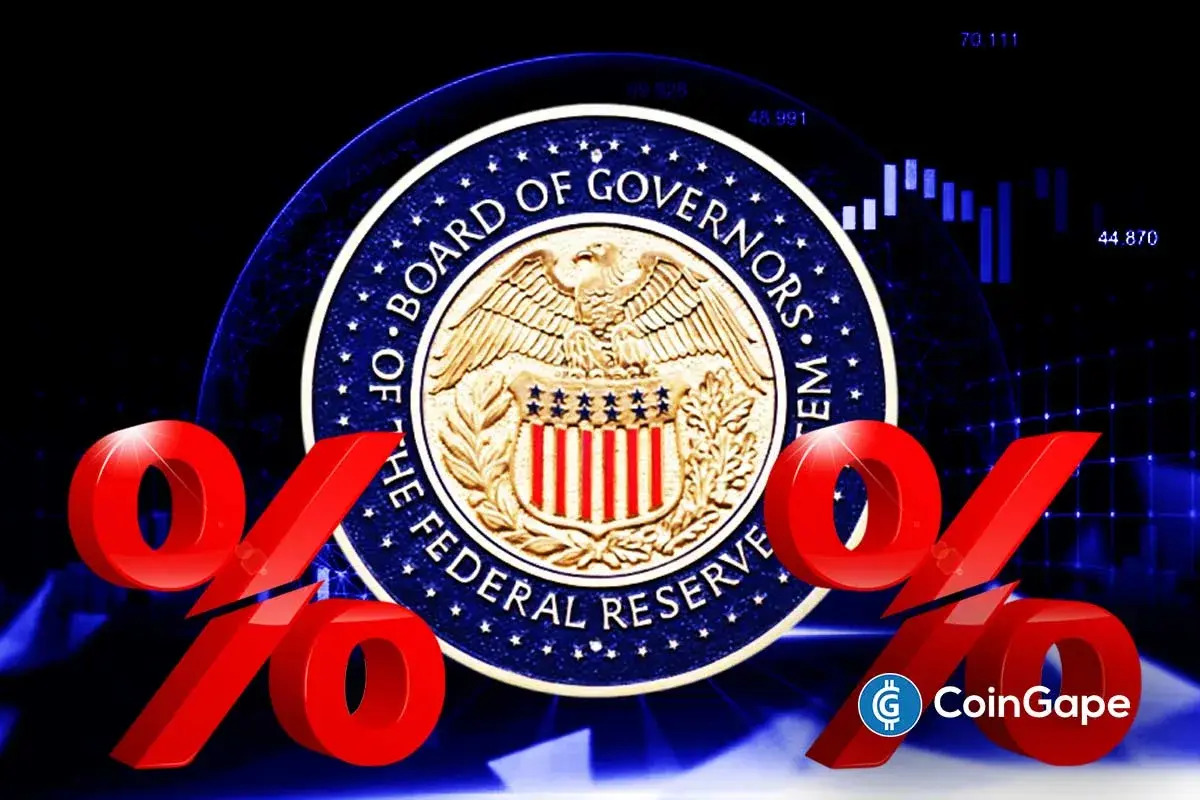
Inflation is a key factor considered by the Federal Reserve in raising interest rates. The central bank is set to hike rates next week, for the first time in more than two years, as it struggles to tackle the recent rise in prices. But this move will also be negative for BTC, as it reduces the amount of liquidity in the market.
Increased liquidity was a key factor for Bitcoin’s stellar rally in 2021, as ultra-low lending rates allowed traders to seek better returns in cryptocurrencies. But a drastic surge in inflation, especially since the second half of 2021, has slowly undermined this rally.

Why Trust CoinGape
CoinGape has covered the cryptocurrency industry since 2017, aiming to provide informative insights Read more… to our readers. Our journal analysts bring years of experience in market analysis and blockchain technology to ensure factual accuracy and balanced reporting. By following our Editorial Policy, our writers verify every source, fact-check each story, rely on reputable sources, and attribute quotes and media correctly. We also follow a rigorous Review Methodology when evaluating exchanges and tools. From emerging blockchain projects and coin launches to industry events and technical developments, we cover all facets of the digital asset space with unwavering commitment to timely, relevant information.


Delivered every day.
- Insights that move markets
- 100,000 active subscribers
Related Articles




- XRP News: Ripple Taps Zand Bank to Boost RLUSD Stablecoin Use in UAE
- BitMine Keeps Buying Ethereum With New $84M Purchase Despite $8B Paper Losses
- Polymarket Sues Massachusetts Amid Prediction Market Crackdown
- CLARITY Act: Bessent Slams Coinbase CEO, Calls for Compromise in White House Meeting Today
- Crypto Traders Reduce Fed Rate Cut Expectations Even as Expert Calls Fed Chair Nominee Kevin Warsh ‘Dovish’
- XRP Price Prediction Ahead of White House Meeting That Could Fuel Clarity Act Hopes
- Cardano Price Prediction as Bitcoin Stuggles Around $70k
- Bitcoin Price at Risk of Falling to $60k as Goldman Sachs Issues Major Warning on US Stocks
- Pi Network Price Outlook Ahead of This Week’s 82M Token Unlock: What’s Next for Pi?
- Bitcoin and XRP Price Prediction as China Calls on Banks to Sell US Treasuries
- Ethereum Price Prediction Ahead of Feb 10 White House Stablecoin Meeting