

SUI-VARA:- In the second and most recent instance, the leading blockchain Sui has signed a partnership with Dubai’s regulatory body Virtual Assets Regulatory Authority (VARA).
As part of the partnership, the web3 accelerator of Sui, the SuiHub will work in collaboration with VARA to accelerate the growth of virtual assets in the region.
Interestingly, this partnership of VARA with another leading blockchain comes only a day after it announced establishing a Solana Economic Zone in partnership with Solana.
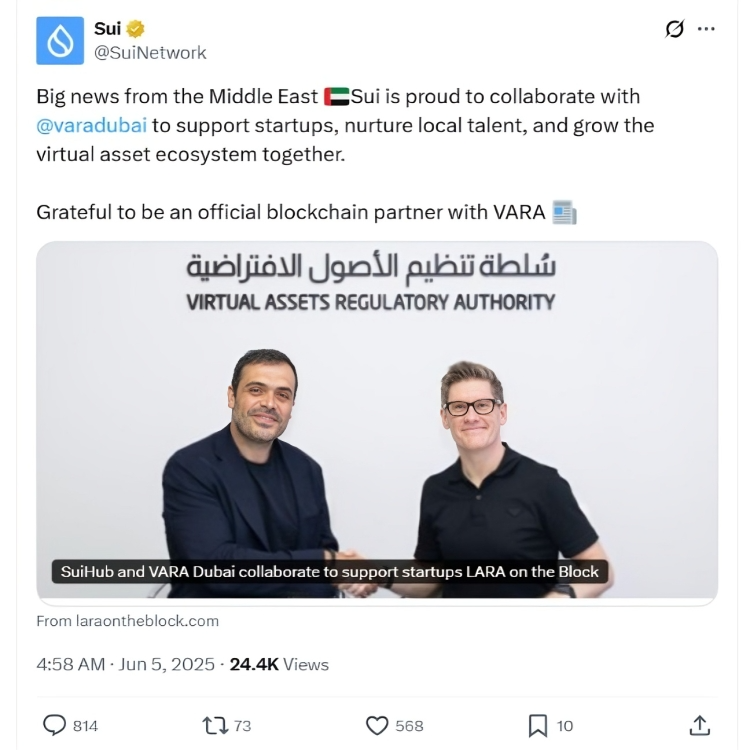
Sui-VARA Partner to Support Crypto Startups
The partnership between Sui and VARA is based on the common goal of making Dubai as the “crypto hub”. It also includes providing support to crypto startups by hosting educational and regulatory support programs for them.
Also Read: Paradigm Introduces New AMM Orbital
As per the announcement, both the partners are expected to work on simplifying the regulatory compliance processes for the projects willing to operate in the region.
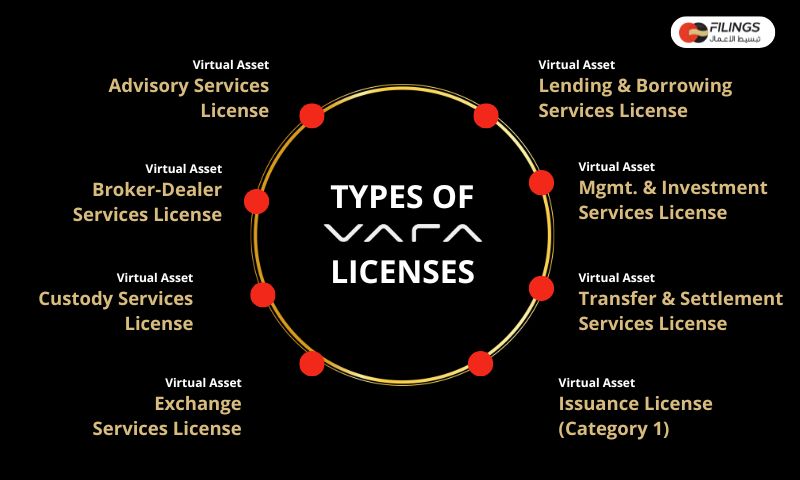
It is noteworthy that Dubai’s VARA requires web3 projects to complete a four-stage licensing procedure for Virtual Asset Service Providers (VASPs). This includes Provisional Permit, Preparatory Licence, Minimum Viable Product (MVP) Licence and Full Market Product (FMP) Licence.
VASPs are required to adhere to stringent compliance standards. These include Anti-Money Laundering and Counter-Terrorism Financing, Know Your Customer and risk management procedures. There are other technological standards and reporting requirements such as financial statements and compliance audits.
Thus, the SUI-VARA partnership is significantly going to help the emerging crypto projects to deal with the labyrinth of licenses.
Clear Regulatory Shifts
Partnerships by regulatory bodies such as Dubai’s VARA underscore the shifting tides in the crypto landscape. Once seen at odds, regulation and crypto are now increasingly aligned. Like SUI-VARA, there are mutual agreements and institutional collaborations marking a new phase of maturity.
This trend isn’t limited to Dubai. Globally, regulatory frameworks are steadily moving toward clarity. Europe’s MiCA (Markets in Crypto-Assets Regulation) and the United States’ Market Structure Bill and GENIUS Act are prominent examples of efforts to define how digital assets fit within existing legal systems.
These initiatives reflect regulators’ intent to draw clearer boundaries between crypto commodities and securities. These are the moves that bodes well for broader adoption and institutional trust in Web3.

 Sneha Agrawal

Share