
CoinGape has been covering cryptocurrency and blockchain markets since 2017. Our editorial team evaluates projects and platforms using structured review frameworks focused on transparency, utility, and risk assessment. You can explore our review methodologies to see how we assess and rate different categories. We maintain clear editorial standards and disclose advertising or affiliate relationships where applicable.
Capital investment is the main prerequisite for trading cryptocurrencies. What if I told you that you could trade and earn profit without investing any money? Crypto prop firms offer capital to skilled investors who can trade and keep up to 90% of the profit. However, traditional crypto exchange trading is straightforward and requires capital investment.
Now, the choice between prop trading and trading from one’s own account is based on personal finances, risk tolerance, and goals. In this article, we will walk you through the differences between prop trading and trading on your own account. Let us begin.
As per a blog, prop trading is not a new concept; it has been around for over 100 years and gained traction in the 1980s. Back in the 1980s, banks and financial institutions hired skilled traders to earn profits on their behalf and were paid a portion of the profits. Later, the concept spread worldwide. The business model in which a company invests capital (proprietary funds) to earn a return. This industry is booming with crypto investors.
All of this sounds very profitable, right? However, there is an evaluation in which the trading skill set is being assessed. Once passed, firms will allow traders with their own funds to trade.
Prop trading has benefited traders, firms, and the economy worldwide. Prop trading firms have grown enormously and now control stock market sentiment. However, with cryptocurrency, the segment’s growth is steady but gradual. The segment has huge potential and is expected to perform well.
Let’s break down the features of crypto prop trading and compare them with traditional crypto trading.
The capital is the most important feature offered by the prop firm. The prop trader does not have to invest their hard-earned capital, but they do gain significant leverage. However, if you trade from your own account, the capital, fees, and charges are all deducted from the trader’s pocket.
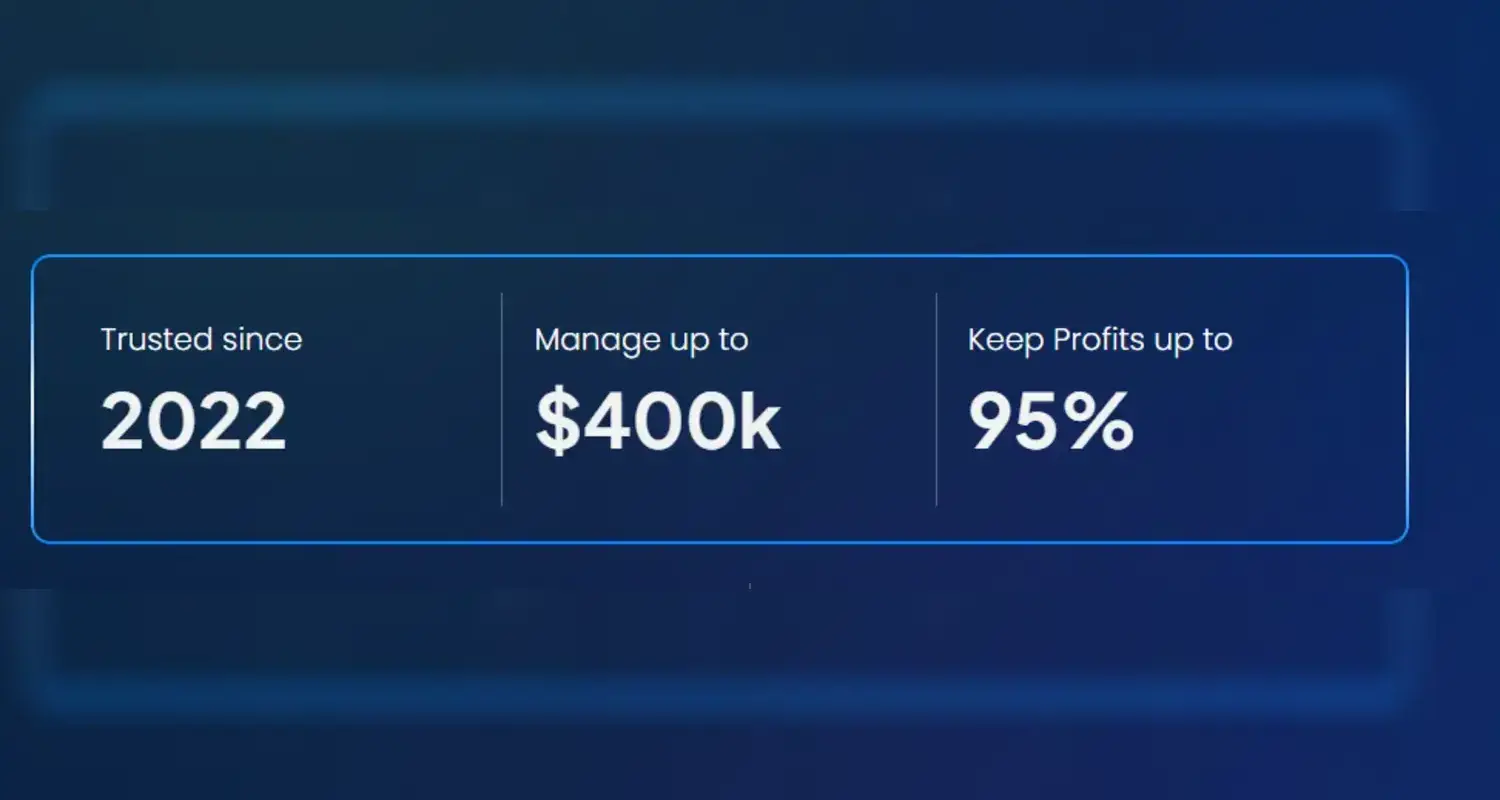
While crypto-prop firms provide capital, profits are discounted. Firms have the option of deducting profits, which should fall between 10 and 30%. The remaining 70-90% goes into the trader’s pocket. FX2funding gives up to 95% of the profit to the trader. When a trader trades from their own account, however, they retain full ownership of any profits made.
When a crypto prop trade makes the trade, the risk is borne by the firm. There might be a small amount chargeable under the head of challenge fee; otherwise, the trader remains unburdened. The crypto trader who is trading from their account has to bear the entire risk solely.
The traders using their account have complete autonomy over the trades. However, that is not the case with prop traders. They have to follow strict rules of maximum downdraw, daily loss limits, and many more.
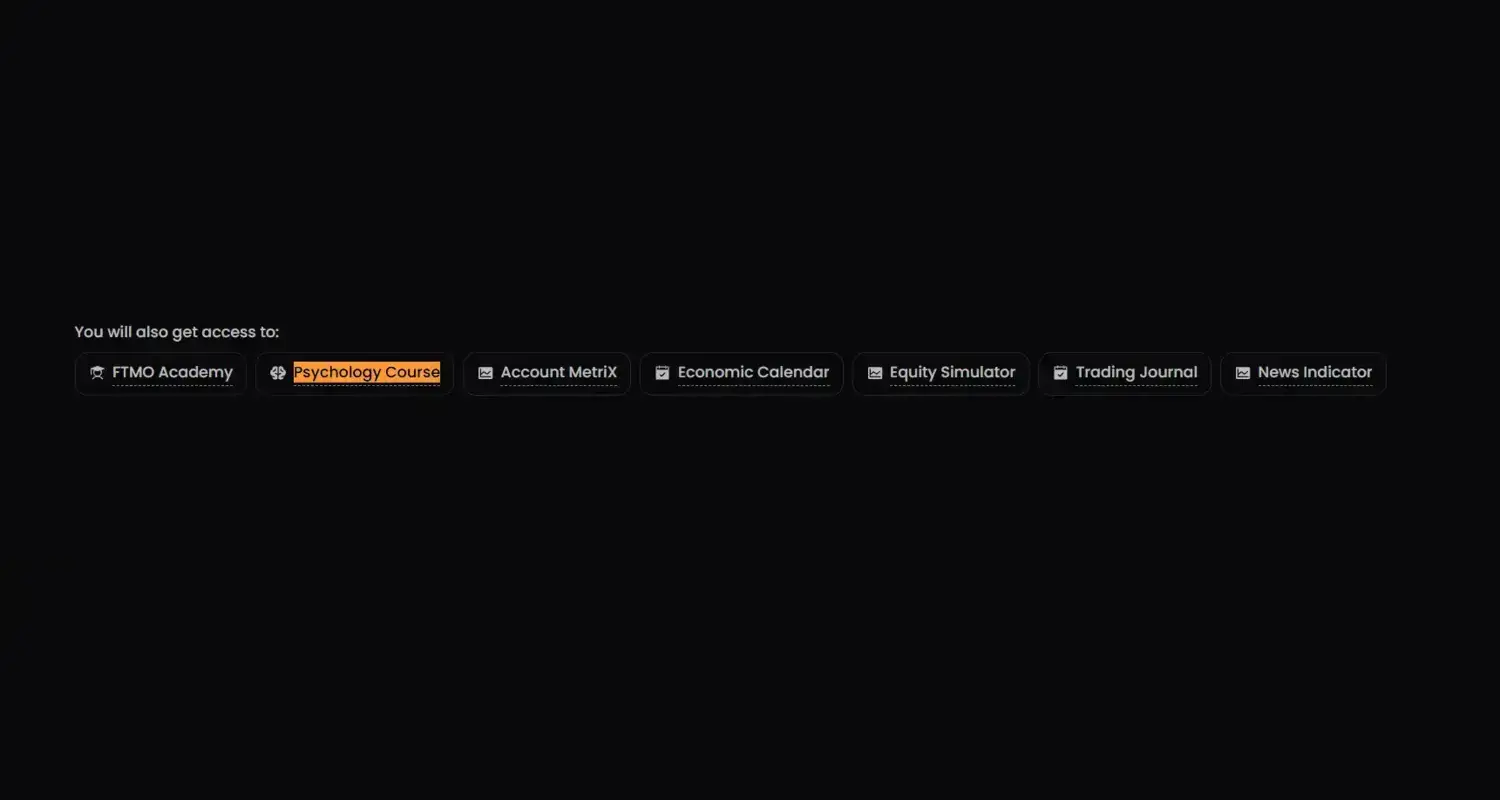
Crypto prop firms want their traders to have complete access to trading news and information. As a result, they provide access to mentoring, elite communities, and data. This is why the segment is rapidly growing, as it receives strong support from prop companies. However, traders with personal capital must do everything on their own.
The prop trading has an unsaid pressure of a performance benchmark. The result of the traders also adds to your overall reputation, which sometimes can be stressful. Therefore, the segment requires professional traders who can perform better despite the pressure. The traders who put up their capital have no such pressure. Moreover, all investment entails risks but has no performance pressure. Many prop firms offer psychological test for the traders to help them cope the pressure.
All prop trading firms, including cryptocurrencies, have to follow strict regulatory compliance as compared to trading through your own account. Here they are:
The choice between prop trading and independent trading is entirely up to the traders and their preferences. Prop trading has numerous advantages, including capital support and access to learning trading techniques, among others. There are a few disadvantages, including extensive regulatory compliance and no complete control over profits. However, if choosing to trade with your account, you get to control the trades and profits autonomously.


 2M+ Monthly Readers
 50k+ Articles


 Claim Bonus