
If you’ve been around Web3 for a while, you’d agree that the Uniswap airdrop was not just a giveaway, it was a standout moment in the industry. Uniswap pulled one of the biggest and most successful airdrops in crypto history, and honestly, it sets the standard for what a fair airdrop should look like.
Back in September 2020, Uniswap announced the launch of its governance token $UNI, and retroactively rewarded users who had used its platform by September 1, 2020. Each eligible wallet received 400 UNI tokens each. No forms, no tasks. Just reward for using the platform. The Uniwap airdrop was more than a token distribution scheme. It sets a new standard. With many projects planning crypto airdrops today. This case study analyzes why the Uniswap airdrop remains the gold standard, and what other projects can learn from it.
Uniswap keeps its token distribution fair and simple. Rather than distribute the tokens arbitrarily, Uniswap’s share mechanism targeted loyal users who had interacted with the DEX by September 1 2020.
There was no:
If you interacted with the platform at any time, you were eligible. The token allocation was also transparent. Eligible wallets received 400 UNI, while liquidity providers got more for their role on the platform.
| User Type | Allocation |
| Regular Uniswap users | 400 UNI |
| Liquidity provider | 400 UNI + LP bonus |
| Long-term liquidity providers | Higher bonuses |
Uniswap had 3 simple objectives with its distribution goals:
Uniswap’s approach is fair, most especially because it emphasized equality and community spirit. It didn’t matter if you only traded once, you still got 400 UNI, which was rare. Most importantly, Uniswap’s model eliminated the “whales got everything” we often see in crypto. Whales didn’t scoop everything. Instead, everyone got a level playing ground.
In terms of how the Uniswap airdrop worked, the approach was considerably fair because it was accessible. There were no tasks, forms to fill. You didn’t need to know how to farm airdrops to participate. You got a slice if you had interacted with the platform.
The Uniswap airdrop was revolutionary for several reasons. First the numbers were insane. At the time, this was one of the biggest sums users had gotten from airdrops. How much was 400 UNI tokens worth? At launch, 400 UNI tokens meant users expected between $1,300 to $3,500 ( going by $3 per token). That was some unexpected large sum.
Beyond the numbers, the impact of the Uniswap 2020 airdrop went deeper. It was a PR masterstroke, right after the SushiSwap attack. With the airdrop, Uniswap regained the narrative, and calmed the nervy decentralized community. The airdrop also set the tone for future governance token airdrops. Projects like Optimism, DyDX, and ENS, all followed the retroactive model Uniswap pioneered. Plus, UNI was also a big boost for decentralization. It meant everyone, not just investors, could vote on Uniswap’s future.
Uniswap’s airdrop was the first major retroactive token airdrop that proved how powerful community rewards could be.
As expected, the Uniswap airdrop drew serious reactions within the crypto community. Crypto Twitter went crazy. The launch was particularly popular among Ethereum developers, who saw it as a big push towards decentralization. Shortly after it went live, Binance and Coinbase quickly listed UNI, showing a strong market confidence.
Uniswap exploded to the scene like a blast, trading around the $3-$4 range within the first few days to a week after launch. The surrounding hype pushed the token upward. There was volatility, as expected of new tokens. Some early holders took profit almost immediately, and that selling pressure caused prices to swing.
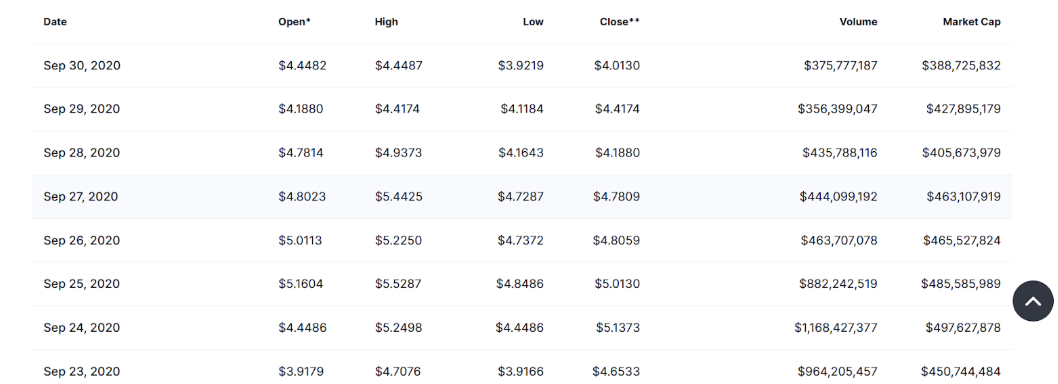
The community split into 3 main groups
These were users who saw free money and cashed out instantly. For many, that was hundreds or possibly thousands of dollars gotten overnight.
Some users held onto their UNI token, choosing to believe in Uniswap’s potential. Some locked their tokens in liquidity pools or staked them for rewards. They also hoped UNI’s value would skyrocket as the project expanded.
A smaller group of users dedicated their UNI tokens to voting on community proposals. These users pushed for changes in fee, and others. Although the governance participation was not much, it was one of the most active governance communities in DeFi at the time.
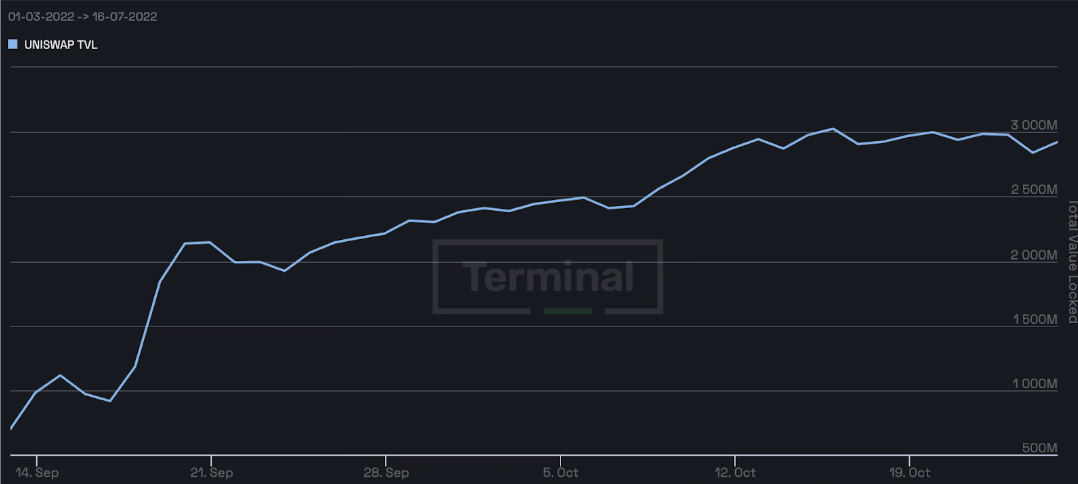
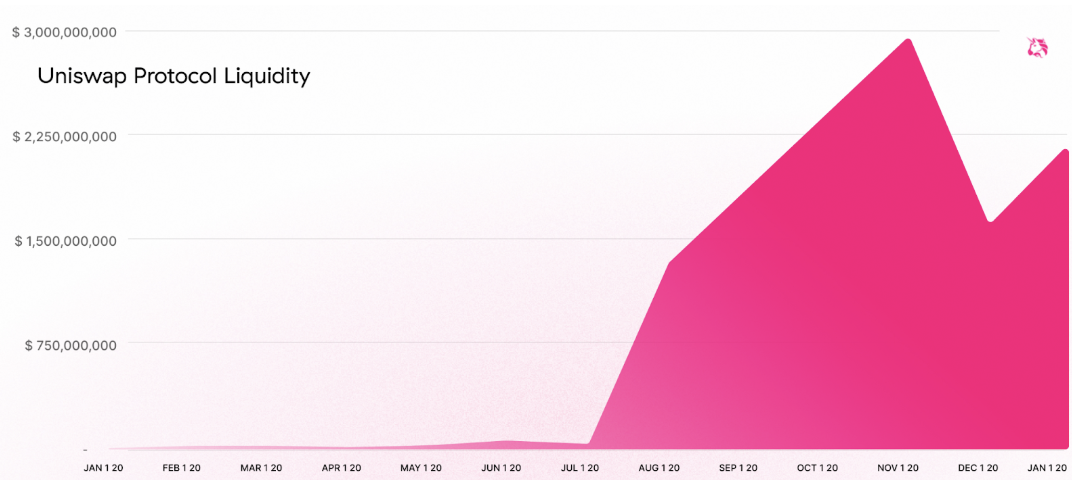
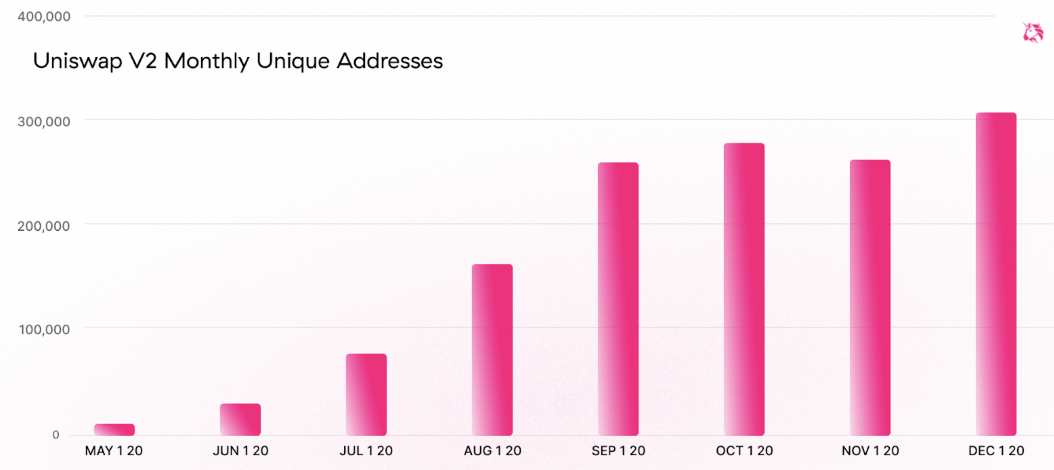
The airdrop was a huge spotlight for Uniswap. Thanks to the success, people who never tired or even heard of Uniswap suddenly wanted to try it. Traffic surged, trading volumes increased and the liquidity deepened.
In the end, the airdrop was not just marketing for Uniswap, it was fuel for growth. The airdrop led to
Users became more interested in retroactive airdrop models.
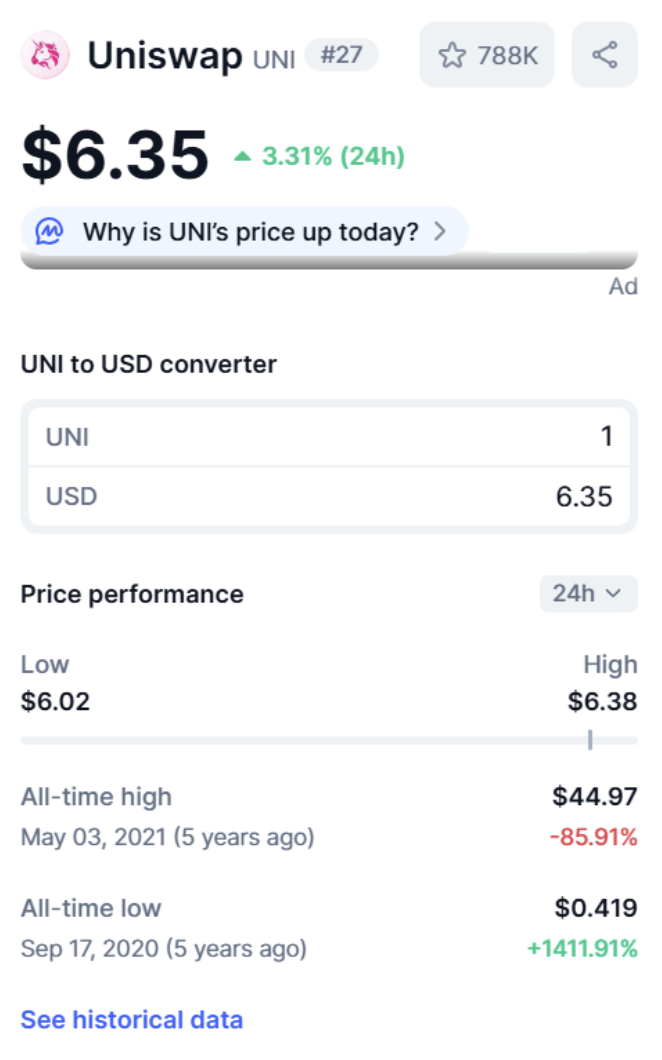
UNI surged in both value and market presence shortly after the airdrop. It became one of the largest governance tokens in DeFi by both market cap and value. Investors, funds and DAOs accumulated it. At the height of its powers, UNI traded for almost $45 on May 3, 2021.
The Uniswap airdrop went beyond rewarding early adopters, it shot the entire project to new heights. Shortly after the airdrop, Uniswap’s daily trading volume surged past $1 billion, and the monthly volume jumped from $1.8 billion in September 2020 to $3.8 billion in March 2021. TVL skyrocketed by 300% in one month. These figures mirror how much capital the airdrop pulled into the Uniswap ecosystem.
Over 250,000 wallets claimed the airdrop, and within the first few hours it went live, about 13,000 wallets had already grabbed their tokens. Even though some of the early claimers sold their tokens quickly , the rush expanded Uniswap and helped push UNI to over 300,000 holders over time. This spike in activity helped push Uniswap into being one of the top DeFi projects.
The UNI token also benefited from the momentum. It jumped from $2.80 to over $5 within the first 24 hours, and climbed into the top 40 cryptocurrencies. Multiple top-tier exchanges also listed the token immediately, adding to its visibility and adoption.
In general, the airdrop achieved multiple things at once
The Uniswap airdrop didn’t just reward users, it reshaped the airdrop space, and set the pace for what we have today. There are clear lessons new projects can apply:
Rewarding Early Users Builds Loyalty
Recognizing users is a smart way of building loyalty. So, giving 400 UNI tokens to early adopters was a nice way of saying “You helped us grow, be part of our future.” The gesture helped build loyalty, turning many into long-term supporters. Projects can learn this today. Community is often the lifeline of a project, and once the hype fades, you need people who truly believe in what the project is all about.
Retroactive Drops Builds Trust
The retroactive model was a game-changer. Instead of letting people compete and pass several hurdles for tokens, this model simply recognizes on-chain activities. Beyond building trust, it is also fair and transparent.
Governance Token Need Real Community Power
Real governance depends on the community, and Uniswap didn’t just hand out free tokens, it gave power to users. This reinforced the idea that community-driven projects are better off than their centralized counterparts.
Fair Distribution Impacts Project Legitimacy
A clean, no strings attached approach drops a strong signal; “this project is serious and legitimate.” The equal 400 UNI tokens helped prevent whales from dominating at launch. It also showed that the airdrop was a way to decentralize power within the community.
Although successful, the Uniswap model had some flaws:
Governance participation was slow; Although the token was designed for governance, participation was slow as most users opted to sell. Some held but didn’t vote. It highlighted a struggle in most DeFi communities; “most people want tokens, but not everyone wants responsibility.”
The Uniswap airdrop is considered the standard in crypto airdrops, and for good reasons;
It started the era of retroactive airdrops, and proved that rewarding real users was a smart approach. Showcasing its influence, other projects like Optimism have adopted Uniswap’s airdrop model. Till date, the industry still references Uniswap as an ideal model for crypto airdrops because it repaired trust after a major crisis, and remains a clear picture of a project pushing for decentralization.


 2M+ Monthly Readers
 50k+ Articles


 Claim Bonus