 Claim Bonus
Simplicity and Capital Efficiency Dominate DeFi Developments in Q3 2022



Decentralized finance (DeFi) has taken a beating since its total value locked (TVL) peaked in late 2021. During this fallout, the collapse of multi-billion dollar protocols and a subsequent loss of capital has left many users jaded and wary of returning to DeFi.
In response, the latest developments in DeFi have skewed towards building “goofproof” products that also perform well in a bear market.
The days of projects offering outrageously high APYs and unsustainable yield are gone, and yield farming, as the DeFi community once knew it, is on life support. Instead, as DeFi rides out the bear market, developers are returning to solid fundamentals to attract new capital and help users thrive instead of just surviving crypto winter.
Compound III Retraces Back to Simplicity and Sustainability
By simplifying UX and focusing on capital efficiency, capital protection, and sustainability, some of the most recent DeFi launches are “going back to the basics.” The launch of Compound III is a prime example of a retreat to simplicity as the market struggles.
Compound’s founder, Robert Leshner, wrote, “Compound III is a streamlined version of the protocol, with an emphasis on security, capital efficiency, and user experience. Complexity wasn’t added — it was removed.”
On Compound III, users can only deposit a handful of blue-chip crypto assets into a segregated pool of their own, one that other users cannot borrow from. Then, users can only borrow one “base asset” against the value of this pool, and this asset is currently USDC.
Creating segregated and nerfed pools of highly liquid assets can shield newer DeFi users from many possible outcomes with a negative expected value. Compound III protects users from complicated missteps, and it eliminates the downsides created by exposure to other users’ accounts.
Furthermore, the chances of a hack are reduced by axing vulnerable tokens or bells and whistles that provide bad actors with an attack surface to exploit.
Kamino Finance Improves DEX User Experience and Capital Efficiency
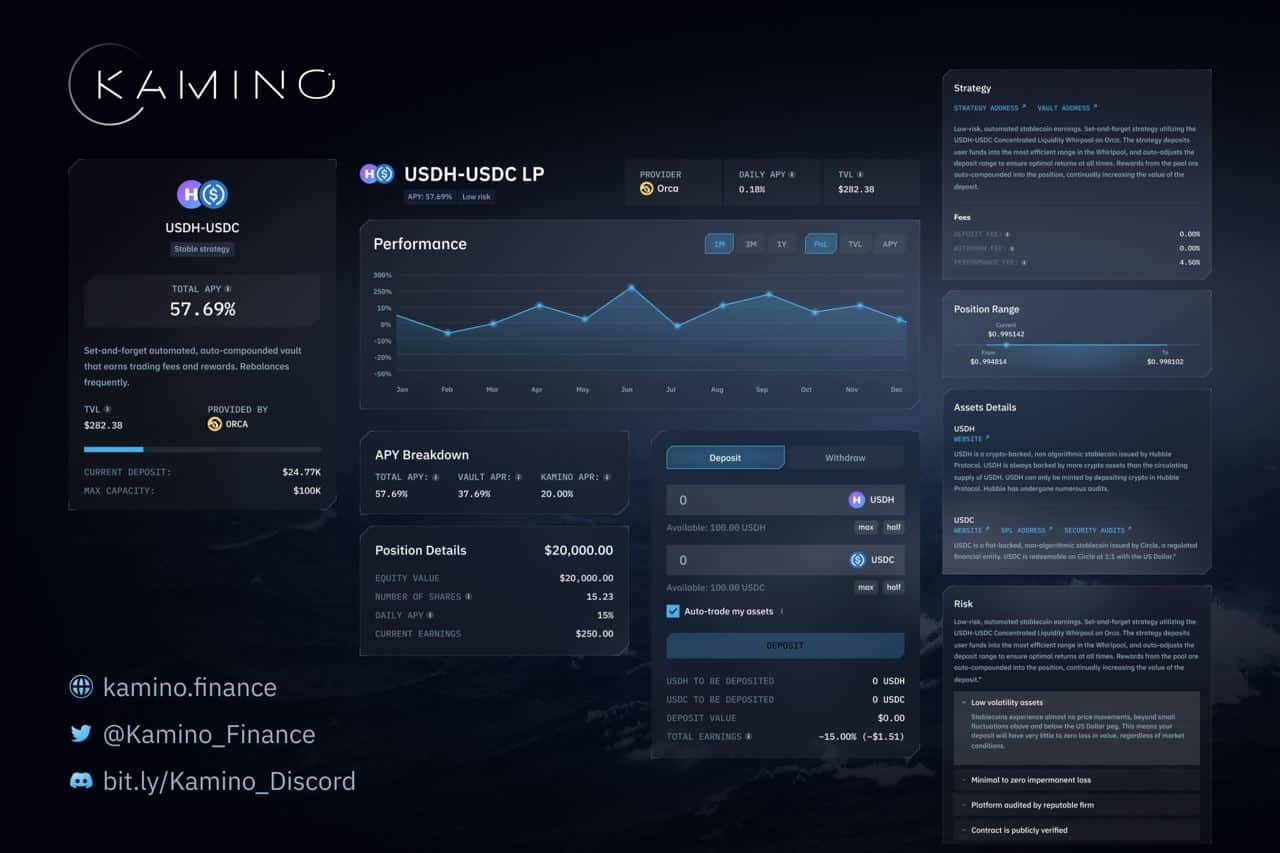
The recently launched Kamino Finance, incubated by several core contributors from Hubble Protocol, specializes in simplifying an otherwise complex process in DeFi: providing concentrated liquidity.
The majority of decentralized exchange (DEX) trading is now facilitated by concentrated liquidity market makers (CLMMs), which means the majority of fees from trades are earned by CLMM liquidity providers (LPs). However, a few studies have shown that most LPs lose money while grappling with the complexities of providing concentrated liquidity.
Kamino simplifies users’ lives with vaults that automatically manage CLMM liquidity positions on their behalf. Automatically rebalancing positions into optimal ranges also increases the capital efficiency of DEXs that depend on users to provide liquidity at current prices, a round-the-clock and cumbersome task.
Earning fees by supplying liquidity for trades is a primary form of real and sustainable yield in DeFi, and it can also be a lucrative form of yield. Admittedly, the trading fees Kamino helps users capture with the click of a button may not be as eye-popping as the APYs of yesteryear. Still, they are honestly earned gains for helping increase the capital efficiency of a DEX.
Friktion Labs Introduce One-Click Capital Protection Vault
Along with Warren Buffet’s first rule (Don’t lose money), hedging against volatility and outpacing inflation are major goals for most users during a bear market. Nevertheless, figuring out a capital preservation strategy can be painful for DeFi users who learned most of what they know about finance during the “number goes up” phase of the bull run.
Integrating several services into one vault, Friktion has created a simplified way for any user to deploy their capital efficiently through volatile times. Friktion’s capital protection vault, Volt #5, combines yield from lending and volatility positions (options) to help users more easily preserve capital through the bear market.
Volt #5 uses the yield earned from lending USDC–not the principle deposited–to purchase put options with a strike price 25% lower than the current spot price of SOL. If the price of SOL rises or falls by something like 15%, then users earn around 2% APY, but if SOL’s price drops by about 30%, then users stand to make significant gains.
Of the three recent launches mentioned in this article, the development of Volt #5 might be the product most heavily influenced by current volatility, since it provides a strategy very few users would pursue during a raging bull market.
User-Friendly DeFi Solutions Developed for Any Occasion
Developed in a bear market, a new wave of DeFi services has begun launching with a focus on improving capital efficiency, sustainability, and UX. Additionally, it could be said that the primary virtue of each of these launches is the reduction in complexity and risk they bring to DeFi lending, DEXs, and options markets.
As token prices continue to struggle, it must be incredibly difficult to continue building DeFi products and services through a bear market. However, the protocols mentioned in this article have stood out for developing compelling additions to DeFi’s arsenal. They show how resilient DeFi can be against volatility–especially as capital sits on the sidelines, waiting for better conditions.

Why Trust CoinGape
CoinGape has covered the cryptocurrency industry since 2017, aiming to provide informative insights Read more… to our readers. Our journal analysts bring years of experience in market analysis and blockchain technology to ensure factual accuracy and balanced reporting. By following our Editorial Policy, our writers verify every source, fact-check each story, rely on reputable sources, and attribute quotes and media correctly. We also follow a rigorous Review Methodology when evaluating exchanges and tools. From emerging blockchain projects and coin launches to industry events and technical developments, we cover all facets of the digital asset space with unwavering commitment to timely, relevant information.


Delivered every day.
- Insights that move markets
- 100,000 active subscribers
Related Articles


- $3.5T Banking Giant Goldman Sachs Discloses $2.3B Bitcoin, Ethereum, XRP, and Solana Exposure
- Why is XRP Price Dropping Today?
- Breaking: FTX’s Sam Bankman-Fried (SBF) Seeks New Trial Amid Push For Trump’s Pardon
- Fed’s Hammack Says Rate Cuts May Stay on Hold Ahead of Jobs, CPI Data Release
- $800B Interactive Brokers Launches Bitcoin, Ethereum Futures via Coinbase Derivatives
- Bitcoin Price Analysis Ahead of US NFP Data, Inflation Report, White House Crypto Summit
- Ethereum Price Outlook As Vitalik Dumps ETH While Wall Street Accumulates
- XRP Price Prediction Ahead of White House Meeting That Could Fuel Clarity Act Hopes
- Cardano Price Prediction as Bitcoin Stuggles Around $70k
- Bitcoin Price at Risk of Falling to $60k as Goldman Sachs Issues Major Warning on US Stocks
- Pi Network Price Outlook Ahead of This Week’s 82M Token Unlock: What’s Next for Pi?