Breaking: S.Korea Set To Lift ICO Ban
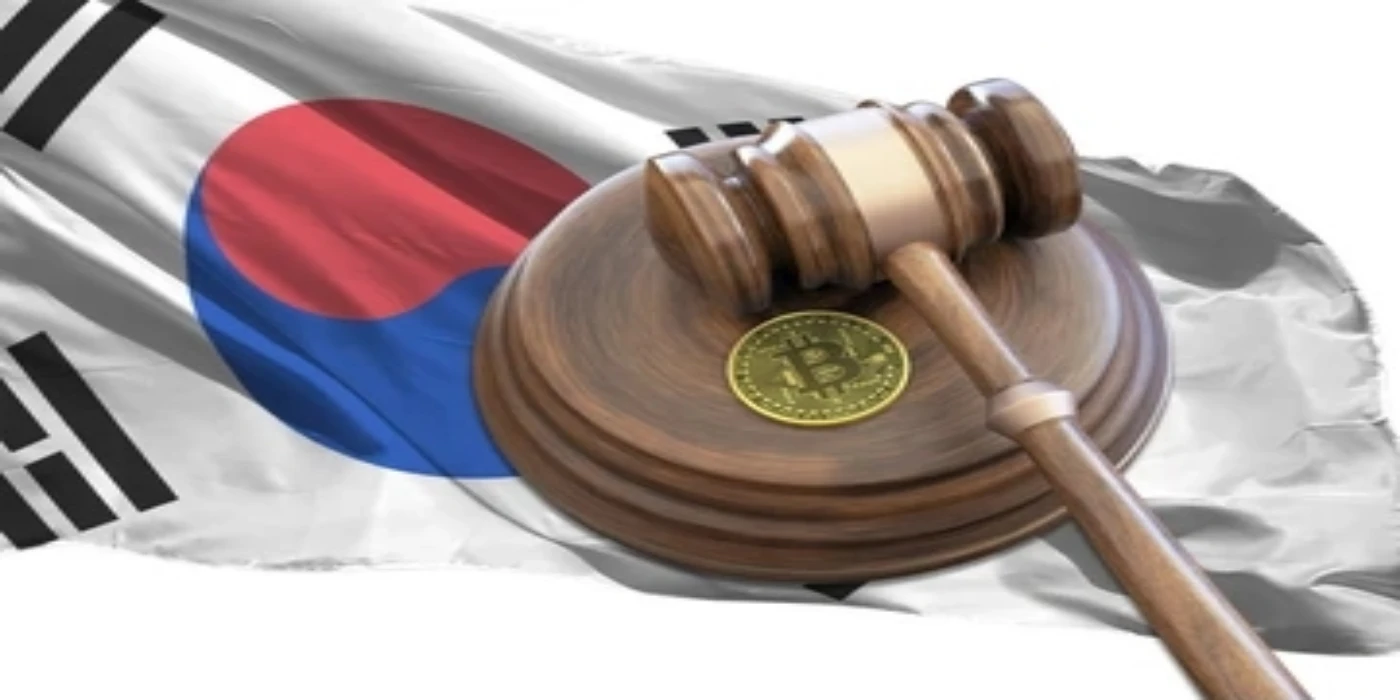
South Korea is actively reviewing its regulatory moves in the cryptocurrency industry, as it seeks to strike a balance between fostering innovation and ensuring adequate consumer protection measures. The country had placed a ban on initial coin offerings from entities within the space. Nonetheless, it appears it will be waving that regulation soon.
Bank of Korea will soon allow crypto entities to release new assets
A local news outlet uncovered the development Monday. Apparently, South Korea’s central bank, the Bank of Korea (BOK) recently mentioned that the issuance of new digital assets in ICOs is a necessity to the crypto industry in the country. The country had banned ICOs to protect consumers from the scams associated with them.
In addition, the BOK highlighted the significance of proper surveillance of the industry, especially when it concerns stablecoins. This is decent, considering the trend of depegging that has plagued several stablecoins of late, starting with Terra’s UST.
The BOK further noted that despite the country’s ban on ICOs, recently issued digital tokens still find their way into South Korea. Crypto entities achieve this by issuing these digital assets abroad, and then listing them on South Korean exchanges, like Bithumb.
In the future, when the Framework Act on Digital Assets is enacted, it is necessary to institutionally allow domestic cryptographic asset ICOs,
the BOK said.
South Korea is active in crypto regulatory efforts
This recent proposal will take effect with the enactment of South Korea’s Digital Assets Framework Act. The upcoming regulatory move will also provide clarity on legislation concerning the industry in South Korea. The East Asian country is home to millions of crypto investors, and this underlines the need for regulatory clarity.
Additionally, South Korea is seeking to enforce sufficient consumer protection actions in the industry. The recent Terra collapse and the growing rate of scams and frauds have made this a necessity. South Korea recently mentioned that 75% of illegal FX transactions in the country in 2022 are crypto-related. However, the BOK also noted that they would be careful not to stifle innovation while enforcing these measures.
South Korean crypto investors have not particularly been having a field day, as they face unfavourable tax laws. In addition to other crypto taxes, the South Korean authorities are looking to impose taxes on crypto airdrops. The taxes could chop off anything from 10% to 50% of the aidrop value.
Recent Posts
- Crypto News
Michael Saylor’s “Green Dots” Message Hints At Fresh Bitcoin Buying As BTC Faces $90K Wall
Strategy executive chairman, Michael Saylor, caused fresh reactions with his latest post, which suggests a…
- Crypto News
Fed’s Hammack Signals No Rush to Cut Rates as January Hold Odds Near 80%
Cleveland Fed President Beth Hammack has said that there is no urgency to cut interest…
- Crypto News
XRP ETFs Reach $1.21B as Asset Managers See a ‘Third Path’ Beyond Bitcoin
U.S. listed spot XRP ETF products surpassed $1.21 billion in total net assets by Dec.…
- Crypto News
Nearly $50M in USDT Stolen After Address Poisoning Scam Targets Crypto Trader Wallet
A cryptocurrency trader has lost nearly $50 million in USDT after falling victim to an…
- Crypto News
Breaking: Rep. Max Miller Unveils Crypto Tax Bill, Includes De Minimis Rules for Stablecoins
Rep. Max Miller is circulating a 14-page draft of a proposed crypto tax bill in…
- Crypto News
XRP Holders Eye ‘Institutional Grade Yield’ as Ripple Engineer Details Upcoming XRPL Lending Protocol
Ripple engineer Edward Hennis has provided key details about the upcoming XRP Ledger (XRPL) lending…