
 Claim Bonus
Stablecoin War: Paxos Calls Out Tether (USDT) and Circle (USDC) for Issuing Non-Regulated stablecoins


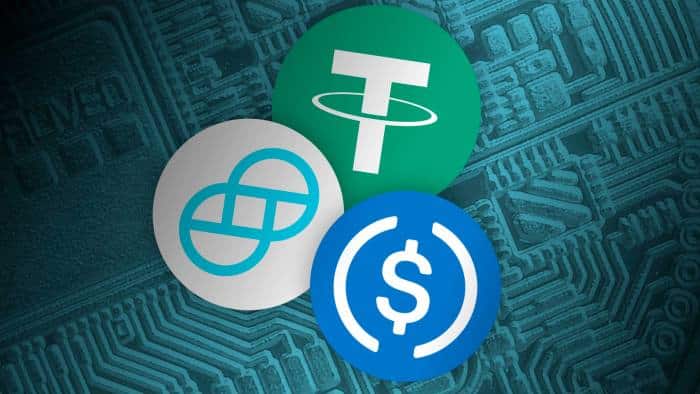
Amid the growing demand for regulating the use of stablecoins, Paxos has called out Tether (USDT) and Circle (USDC) for issuing non-regulated stablecoins. Paxos’ General Counsel and Chief Compliance Officer Dan Burstein has lashed out at the two players, in what he claims to be false claims.
Recently, Circle claimed that USDC is the “world’s most trusted and well-regulated dollar digital currency”. Similarly, Tether claims USDt to be “registered and regulated”. Burstein believes that neither of these two stablecoins is regulated.
Furthermore, he calls both USDT and USDC tokens backed by illiquid and risky debt obligations. According to the Paxos CCO, this is a critical matter that any regulator shouldn’t tolerate. He added that both the players adjusted their reserving practices to make their tokens appear as stablecoins.
Dan Burstein added that as of date there are only three stablecoins in the market – Paxos Standard (“PAX”) and Binance Dollar (“BUSD”), both issued by Paxos Trust Company, and the Gemini Dollar (“GUSD”), issued by Gemini Trust Company.
Stablecoins With Proper Reserves
Both Paxos and Gemini hold the official regulatory license from the New York State Department of Financial Services (“NYDFS”). He notes that all these three stablecoins have proper “reserves” that are routinely monitored by regulators.
Besides, the reserves are also in the safest forms held in the FDIC-backed bank accounts and are completed isolated from corporate assets. On the other hand, both USDT and USDC are backed by high corporate debt obligations.
In the case of USDC, all the reserves appear on the company’s balance sheet. Burstein objects to it stating that this appears as if it is Circle’s own property. He adds:
Regulatory oversight is important because it assures stablecoin users that the dollars underlying their stablecoins are secure and will be immediately available when they want them. The NYDFS ensures the Trust companies and their individual tokens are following its strict rules at all times.
USDC and Tether reserves are not comprehensively overseen by any financial regulators. Their reserves are broadly unrestricted and not held bankruptcy-remote under applicable law.
Currently, both USDT and USDC dominate the stablecoin market. In fact, the value of their tokens in circulation is greater than some of the biggest banks in the U.S.
Earlier on Monday, U.S. Treasury Secretary Janet Yellen expressed concern about the use of stablecoins citing privacy and security concerns to the country’s financial system. Yellen along with Fed Chairman Jerome Powell have called for strict regulations of stablecoins.

Why Trust CoinGape
CoinGape has covered the cryptocurrency industry since 2017, aiming to provide informative insights Read more… to our readers. Our journal analysts bring years of experience in market analysis and blockchain technology to ensure factual accuracy and balanced reporting. By following our Editorial Policy, our writers verify every source, fact-check each story, rely on reputable sources, and attribute quotes and media correctly. We also follow a rigorous Review Methodology when evaluating exchanges and tools. From emerging blockchain projects and coin launches to industry events and technical developments, we cover all facets of the digital asset space with unwavering commitment to timely, relevant information.


Delivered every day.
- Insights that move markets
- 100,000 active subscribers
Related Articles





- $3.5T Banking Giant Goldman Sachs Discloses $2.3B Bitcoin, Ethereum, XRP, and Solana Exposure
- Why is XRP Price Dropping Today?
- Breaking: FTX’s Sam Bankman-Fried (SBF) Seeks New Trial Amid Push For Trump’s Pardon
- Fed’s Hammack Says Rate Cuts May Stay on Hold Ahead of Jobs, CPI Data Release
- $800B Interactive Brokers Launches Bitcoin, Ethereum Futures via Coinbase Derivatives
- Bitcoin Price Analysis Ahead of US NFP Data, Inflation Report, White House Crypto Summit
- Ethereum Price Outlook As Vitalik Dumps ETH While Wall Street Accumulates
- XRP Price Prediction Ahead of White House Meeting That Could Fuel Clarity Act Hopes
- Cardano Price Prediction as Bitcoin Stuggles Around $70k
- Bitcoin Price at Risk of Falling to $60k as Goldman Sachs Issues Major Warning on US Stocks
- Pi Network Price Outlook Ahead of This Week’s 82M Token Unlock: What’s Next for Pi?