This Country is promoting Crypto businesses, but here is the Catch
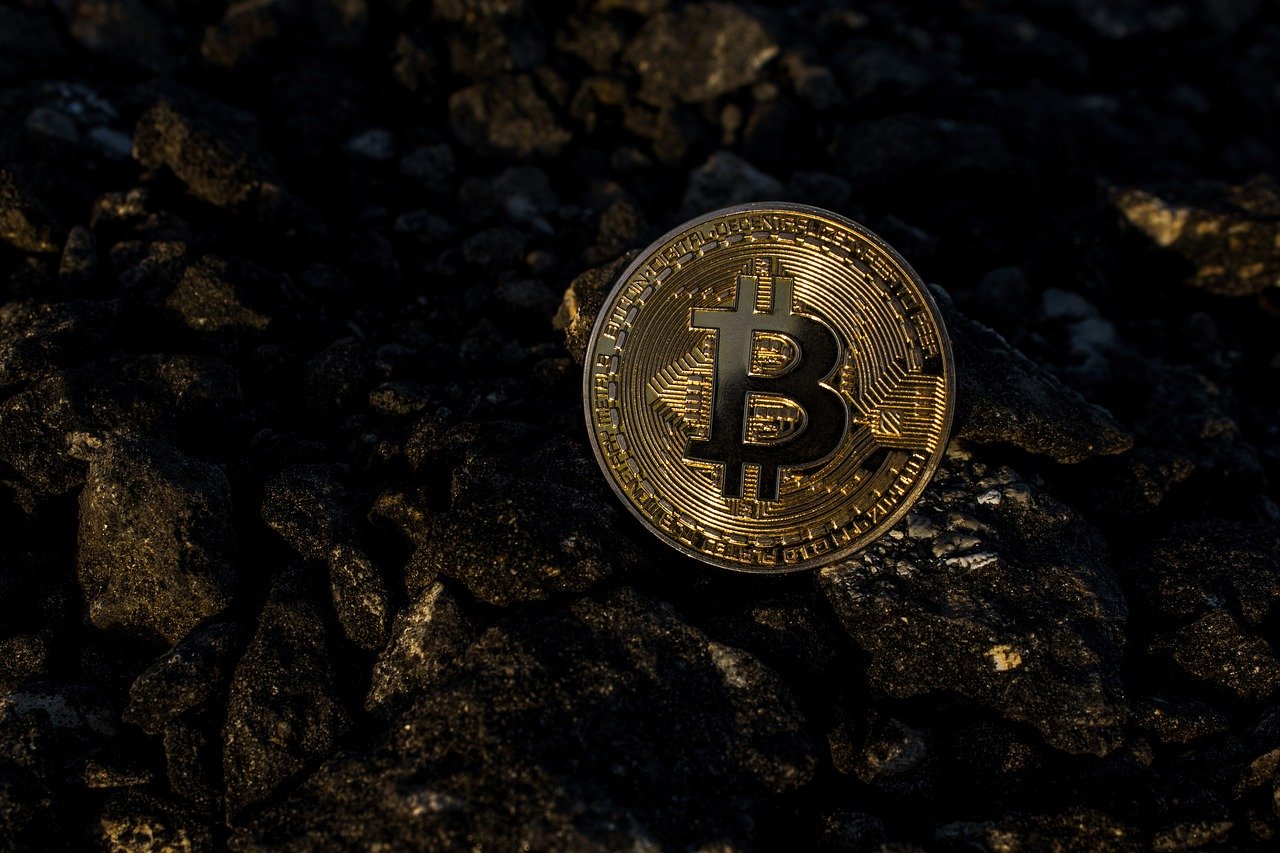
The government of Laos issued exclusive crypto regulation guidelines this Tuesday, encouraging cryptocurrency mining operations and trading platforms in the nation, but assuring that the government also benefits from the industry. While attempting to pull off a rather commercial move as something charitable, Laos’ Minister of Technology and Communications, Dr. Boviengkham Vongdara backed the new guidelines, noting that the regulations are aimed at protecting legitimate rights and interests of both operators and users.
Native and Financially proficient Crypto businesses allowed to operate
According to the updated crypto policy, crypto mining or exchange and trade companies are mandated to have a local sole proprietorship in Laos, i.e., they should be a native firm of the country. Furthermore, the notice also mentioned that these crypto businesses are required to have a stable financial status, with sufficient capital to operate while paying a 15 percent tax rate. Additionally, the organizations will have to deposit a compulsory $5 million in advance along with mining farms being forced to pay another $1 million in electricity fees for every 10 megawatts used.
Govt. encourages Crypto Businesses for Capital Gains
The most notably commercial aspect of the Laos government’s published announcement was that cryptocurrency mining businesses will not be allowed to use less than 10 megawatts of electricity, with 115kV or 230kV of power provided under a six-year extendable contract, guaranteeing multi-million dollars worth of returns to the government from each crypto mining business respectively. In simple words, increasing the polarisation in the crypto industry by decreasing the financial approachability for the masses.
Nevertheless, to prevent absolute withdrawal from the market and encourage cryptocurrency mining, the government declared to exempt electricity transmission fees and import taxes for ‘Electricite du Laos’. Although, with such high electricity consumption by crypto businesses, the citizens would naturally become more concerned about a fall in available energy for daily consumption. To tackle these issues, the Ministry of Energy and Mines has been allotted the responsibility to maintain the balance by assuring that enough energy is available to meet society’s electrical needs, while crypto miners continue to function at lower electricity rates.
Recent Posts
- Crypto News
BlackRock Bitcoin ETF Ranks Among Top ETFs In 2025 Despite Crypto Downturn
The BlackRock Bitcoin ETF (IBIT) has emerged as one of the top exchange-traded funds (ETF)…
- Crypto News
Stablecoin Adoption Deepens as Klarna Turns to Coinbase for Institutional Liquidity
Klarna has taken a major step into crypto finance by partnering with Coinbase to accept…
- Crypto News
Ripple, Circle Could Gain Fed Access as Board Seeks Feedback on ‘Skinny Master Account’
The U.S. Federal Reserve has requested public feedback on the payment accounts, also known as…
- Crypto News
Fed’s Williams Says No Urgency to Cut Rates Further as Crypto Traders Bet Against January Cut
New York Federal Reserve President John Williams has signaled his support for holding rates steady…
- Crypto News
Trump to Interview BlackRock’s Rick Rieder as Fed Chair Shortlist Narrows to Four
The Fed chair race is heating up with U.S. President Donald Trump set to interview…
- Crypto News
Breaking: VanEck Discloses Fees and Staking Details for its Avalanche ETF
The leading crypto asset manager VanEck amends its Avalanche ETF with the U.S. Securities and…