
 Claim Bonus
Trump Tariffs Ruling May Come Next Week as Supreme Court Sets Jan. 20 Decision Day


Highlights
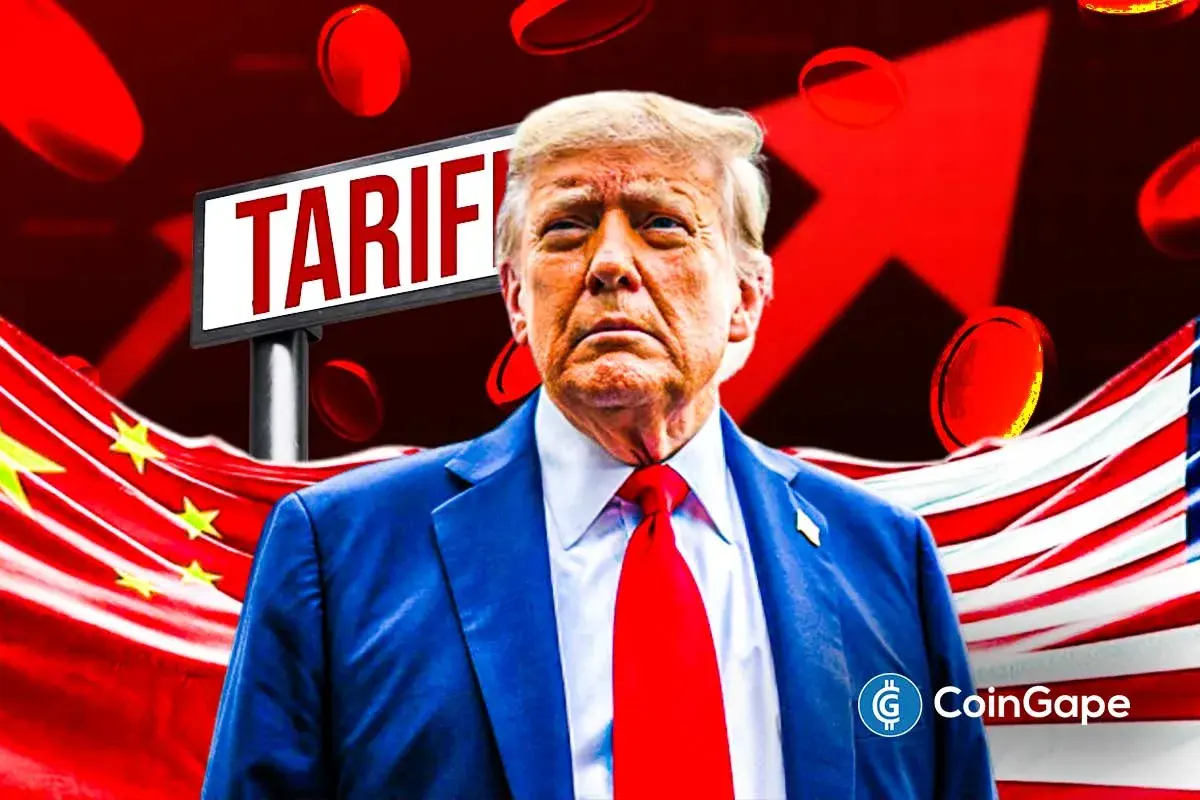
- Supreme Court may decide Trump's sweeping tariff powers case on January 20 session.
- Ruling could force government to refund over $130 billion in collected import duties.
- Justices questioned Trump's emergency authority use for broad economic trade policy decisions.
The U.S. Supreme Court has set an opinion date of January 20th, which many are expecting could mean a long-awaited decision on the authority of President Donald Trump to impose tariffs on imports and exports. The decision could have far reaching implications for U.S. trade policy and executive authority.
Will Trump’s Tariffs Remain In Place After Supreme Court Hearing?
The U.S. Supreme Court confirmed that it will announce opinions on Tuesday, but did not indicate which of the pending cases will be heard. The first opinion will be released at 10 am EST on Tuesday. Hence, markets, governments, and businesses are all keeping a close eye on the decision of the court regarding Trump’s imposition of tariffs on imported goods.
Trump’s authority to impose tariffs was challenged in court with the argument that he does not have the right to do so under the 1977 National Emergency Act. The tariffs challenged by Trump’s opponents include those imposed on imports into the U.S. (up to 50% in some cases).
It also includes tariffs on imports from Canada, Mexico, and China due to national security and fentanyl trafficking issues. Recent trade developments, such as Taiwan’s U.S. tariff adjustments show that court decisions can result in the immediate alteration of global trade flows.
While a decision on the tariffs could occur as early as next week, there is a possibility that the decision will be delayed until at least late February. In addition to affecting U.S. trade policy, a decision by the U.S. Supreme Court could affect global trade policy if the decision favors the imposition of tariffs. This could result in a significant shift in the way trade agreements are enforced globally.
Supreme Court Decision Will Affect Global Trade Policy
The timing of the decision is significant. While the U.S. Supreme Court normally releases opinions only while in session, the justices will meet one final time before going into their long winter recess on Wednesday.
The court’s schedule has been uncertain as indicated by a Supreme Court tariff ruling delay report. This has lengthened the period of time that markets have had to anticipate a decision.
There appears to be some question among the justices as to whether Trump has gone too far in implementing tariffs under the emergency powers act. There were several indications of doubt as to whether the emergency powers act should be used for broad economic policy objectives.
A decision that goes against Trump could severely limit the scope of his trade agenda. It would represent the most serious loss of a case in court since he returned to office.
Analysts say that a decision against Trump could result in billions of dollars in financial losses. Many importers have said that they expect to receive more than $130 billion in refunds. This is because of tariffs that were implemented as part of Trump’s trade policy.
Global markets are already anticipating and pricing-in potential volatility related to the Supreme court decision. Additionally, manufacturers and retailers will be highly affected by any changes to the tariff policies that are currently in place.
Are Foreign Governments Concerned About Expansion of Trump’s Tariff Authority?
Many foreign governments are also paying attention to the decision. Many U.S. allies believe that the tariffs imposed by Trump disrupted trade relationships.
They also argued that it increased the cost of living for consumers. Those cost pressures are now extending beyond trade, and are compounded by the potential financial burden associated with the tariff risks.
According to officials in the administration, the tariffs were needed to protect national interests. In addition, the law allows the president to take a number of actions during an emergency, including imposing tariffs.
Officials claim that the law gives the president broad discretion during declared emergencies. A favorable decision for Trump could provide him with significant additional authority to implement tariffs.
He could also implement other trade-related policies as he sees fit. In addition, it could embolden future presidents to utilize similar authority.

Why Trust CoinGape
CoinGape has covered the cryptocurrency industry since 2017, aiming to provide informative insights Read more… to our readers. Our journal analysts bring years of experience in market analysis and blockchain technology to ensure factual accuracy and balanced reporting. By following our Editorial Policy, our writers verify every source, fact-check each story, rely on reputable sources, and attribute quotes and media correctly. We also follow a rigorous Review Methodology when evaluating exchanges and tools. From emerging blockchain projects and coin launches to industry events and technical developments, we cover all facets of the digital asset space with unwavering commitment to timely, relevant information.



Delivered every day.
- Insights that move markets
- 100,000 active subscribers
Related Articles




- BlackRock Signals $257M Bitcoin and Ethereum Sell-Off Ahead of Partial U.S. Government Shutdown
- XRP News: Jane Street Emerges Among Key Institutions Driving XRP ETF Inflows
- Bhutan Gov. Dumps More Bitcoin Amid $410M Institutional Sell-Off in BTC ETFs
- Crypto Market in Panic Mode Ahead of Bitcoin, ETH, XRP, SOL Options Expiry & US CPI Today
- Digital Assets Are Fixed In The Future Of Traditional Finance
- Bitcoin Price Outlook As Gold And Silver Lose $3.6 Trillion in Market Value
- XRP and Ethereum Price Prediction as Trump Seeks to Lower Key Tariffs
- Solana Price Prediction as $2.6 Trillion Citi Expands Tokenized Products to SOL
- Bitcoin Price Could Fall to $50,000, Standard Chartered Says — Is a Crash Coming?
- Cardano Price Prediction Ahead of Midnight Mainnet Launch
- Pi Network Price Prediction as Mainnet Upgrade Deadline Nears on Feb 15