
 Claim Bonus
Bitcoin ETF Update: BlackRock Signals BTC Sell-Off as Kevin O’Leary Warns of Decline In Institutional Demand


Highlights
- BlackRock moves $160M Bitcoin, Ethereum to Coinbase amid ETF outflows
- Kevin O’Leary warns that institutions may cap crypto exposure at 3%
- Macro risks could push Bitcoin towards the key $60,000 support level
The world’s largest asset manager, BlackRock, has moved additional Bitcoin and Ethereum to Coinbase, suggesting further sell-offs. The transferred coins are valued at $160 million at current prices. The deposits occurred as analysts report that ETF flows are being influenced by macroeconomic uncertainty and have caused a decline in risk appetite.
BlackRock Sends $115 Million in Bitcoin to Coinbase
Arkham records showed numerous transfers from BlackRock’s Bitcoin ETF (IBIT) to Coinbase Prime wallets within minutes of each other. In total, 1,701 BTC and 22,661 ETH from the crypto ETF issuer were transferred to Coinbase, likely in a move to offload these coins.
It is worth noting that BlackRock’s Ethereum and Bitcoin ETFs recorded net outflows this past week, according to SoSoValue data. The BTC ETFs recorded net outflows of nearly $360 million last week, while the ETH ETFs recorded outflows of $161 million.
In the meantime, Shark Tank investor Kevin O’Leary stated that institutions will limit their crypto exposure to only 3% until the risks posed by quantum computing is addressed. He stated that traditional finance is now concentrating on Bitcoin and Ethereum exposures only.
O’Leary said that institutions are reevaluating risks following the October 10, 2025, crypto market crash. He argued that a significant number of altcoins have not bounced back since then, and capital concentration is now being strengthened in key assets.
Macro Headwinds Influence Flows
Outflows from Bitcoin and crypto ETFs have been accompanied by weaker equity futures and rising geopolitical risks. According to a Bloomberg report, Bitcoin has been trading similarly to a high-beta technology asset lately. Such a correlation implies it is more sensitive to macroeconomic headlines and rate expectations.
The geopolitical tensions between the U.S. and Iran have led traders to reduce their exposure to high-volatility instruments. CoinGape reported earlier today that U.S. President Donald Trump had issued a warning to Iran of “consequences” ahead of their nuclear talks.
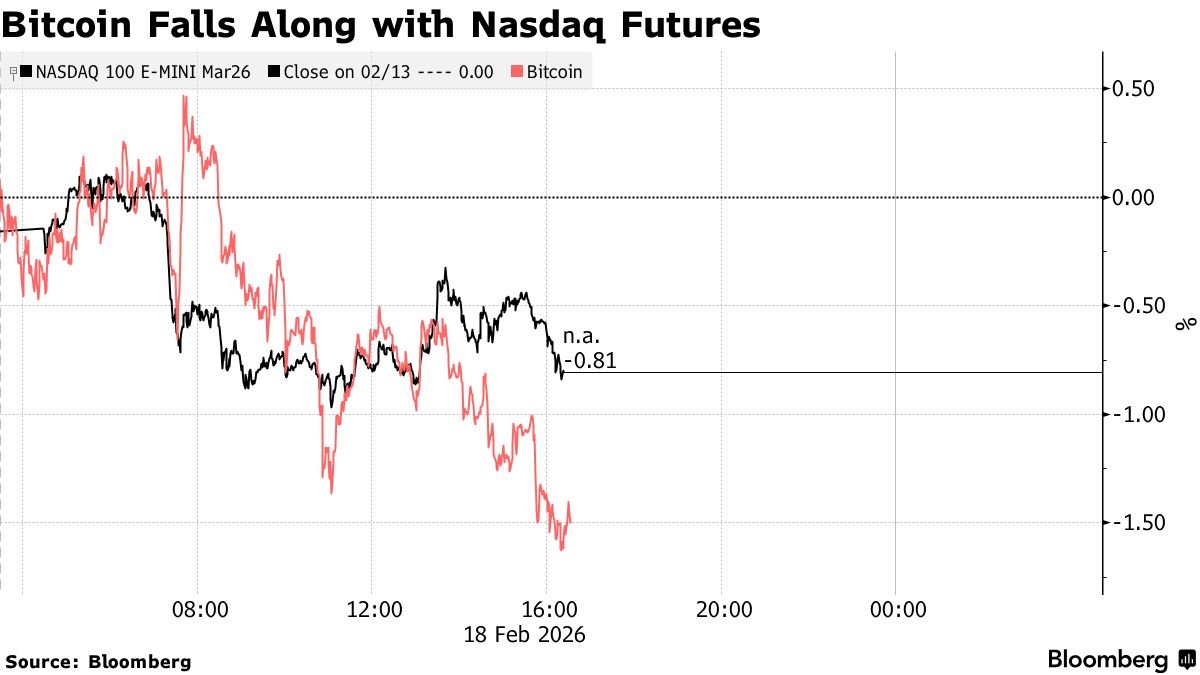
Meanwhile, Bloomberg added that ETF flows continue to influence price momentum, even as U.S. spot Bitcoin ETFs recorded net outflows for the fourth consecutive week. The net flows indicate reduced institutional risk appetite rather than rotation.
Market sentiment indicators became even worse this week. The Fear and Greed Index from CryptoQuant dropped to 10, an extreme fear zone. This kind of reading is often accompanied by low trading and inflows.
According to market analysts, the $60,000 price zone is an important support level. They cautioned that if BTC price remained in the mid-$60,000 range for a prolonged period, there could be further liquidations. Hence, this weakness in inflows could prevent a strong rebound momentum.

Why Trust CoinGape
CoinGape has covered the cryptocurrency industry since 2017, aiming to provide informative insights Read more… to our readers. Our journal analysts bring years of experience in market analysis and blockchain technology to ensure factual accuracy and balanced reporting. By following our Editorial Policy, our writers verify every source, fact-check each story, rely on reputable sources, and attribute quotes and media correctly. We also follow a rigorous Review Methodology when evaluating exchanges and tools. From emerging blockchain projects and coin launches to industry events and technical developments, we cover all facets of the digital asset space with unwavering commitment to timely, relevant information.



Delivered every day.
- Insights that move markets
- 100,000 active subscribers
Related Articles






- Breaking: Tom Lee’s BitMine Buys 45,759 ETH as CryptoQuant Flags Potential Bottom For Ethereum
- Breaking: U.S. CFTC Moves To Defend Polymarket, Kalshi From Regulatory Crackdown By State Regulators
- Breaking: Michael Saylor’s Strategy Adds 2,486 BTC Amid Institutional Concerns Over Quantum Threat To Bitcoin
- Ripple CEO Hints Crypto Bill Is Near Deal, Sets April as Approval Timeline
- Wall Street Giant Signals XRP Price ‘Long Winter’ After Cutting Target By 65%
- 5 Things Dogecoin Price Needs to Hit $0.20 in Feb 2026
- Bitcoin Price Prediction as Experts Warns of Quantum Risks
- Dogecoin, Shiba Inu, Pepe Coin Price Predictions As BTC Crashes Below $68k
- Ethereum Price Outlook as Harvard Shifts Focus from Bitcoin to ETH ETF
- HOOD and COIN Stock Price Forecast as Expert Predicts Bitcoin Price Crash to $10k
- XRP Price Prediction Ahead of Supreme Court Trump Tariff Ruling