 Claim Bonus
Pakistan Ditches US Dollar, Embraces Yuan for Russian Oil Import


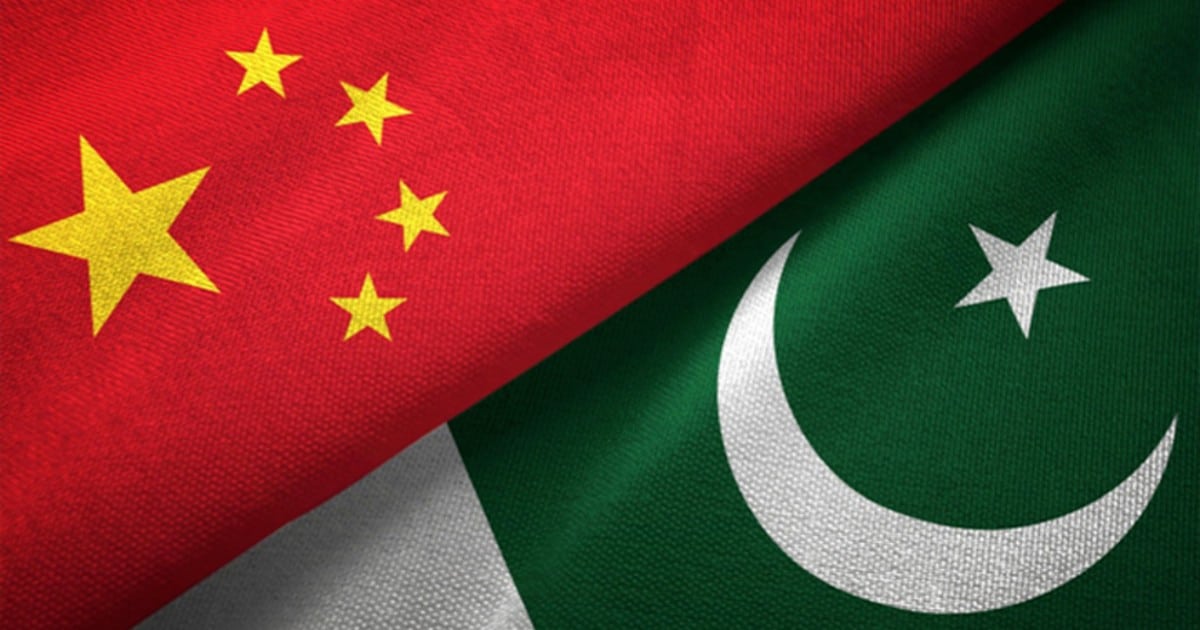
Pakistan has made a major step towards achieving de-dollarization by completing its first government-to-government import of Russian oil in the Chinese local currency Yuan. This deal was specifically struck between Islamabad and Moscow and the first cargo has arrived in Karachi since Sunday and is still being offloaded at the port.
The country’s Petroleum Minister Musadik Malik disclosed this information to Reuters on a phone call.
According to the minister, the entire transaction involves 100,000 tonnes of oil, but only 45,000 tonnes has been deposited at Karachi with the others on the way. He did not divulge details of the discount which Pakistan received from Russia or the commercial features of the deal. Still, he suggested that the oil importation is certainly a good buy for Pakistan.
“We’ve run iterations of various product mixes, and in no scenario will the refining of this crude make a loss,” Malik announced. “We are very sure it will be commercially viable.”
BRICS Nations to Ditch the U.S. Dollars
Importantly, the change in currency notes is a clear effort to inactivate the dominance of the United States dollars as regards international trades. More so, it is a milestone for BRICS foundation member countries; Brazil, Russia, India, China, and South Africa, that have been pushing for de-dollarization amongst themselves.
Many member countries, as well as non-members of BRICS have also joined in the drive against U.S. dollar dominance. In April, Indonesia hinted at plans to replace the dollar with an alternative mode of payment. At the time, Indonesia was considering reducing its reliance on the U.S. dollar by introducing Rupiah for cross-border transactions, at least amongst Asian countries.
A few weeks later, Brazil president Luiz Lula da Silva, proposed that the country ditch the dollar for another currency. Apart from using their local currencies, some of these nations are considering Bitcoin (BTC) as a safer alternative to the U.S. dollar, especially now that the cryptocurrency has recovered reasonably from the bear market of last year.
Noteworthy, Max Keiser, the advisor to El Salvador President Nayib Bukele is positive that if the BTC alternative is accepted, it will be fast track to de-dollarization.

Why Trust CoinGape
CoinGape has covered the cryptocurrency industry since 2017, aiming to provide informative insights Read more… to our readers. Our journal analysts bring years of experience in market analysis and blockchain technology to ensure factual accuracy and balanced reporting. By following our Editorial Policy, our writers verify every source, fact-check each story, rely on reputable sources, and attribute quotes and media correctly. We also follow a rigorous Review Methodology when evaluating exchanges and tools. From emerging blockchain projects and coin launches to industry events and technical developments, we cover all facets of the digital asset space with unwavering commitment to timely, relevant information.



Delivered every day.
- Insights that move markets
- 100,000 active subscribers
Related Articles


- Trump Tariffs: U.S. Supreme Court Sets February 20 for Potential Tariff Ruling
- Brazil Targets 1M BTC Strategic Reserve to Rival U.S. Bitcoin Stockpile
- Breaking: U.S. CPI Inflation Falls To 4-Year Low Of 2.4%, Bitcoin Rises
- Bitget Launches Gracy AI For Market Insights Amid Crypto Platforms Push For AI Integration
- BlackRock Signals $257M Bitcoin and Ethereum Sell-Off Ahead of Partial U.S. Government Shutdown
- Bitcoin Price Outlook As Gold And Silver Lose $3.6 Trillion in Market Value
- XRP and Ethereum Price Prediction as Trump Seeks to Lower Key Tariffs
- Solana Price Prediction as $2.6 Trillion Citi Expands Tokenized Products to SOL
- Bitcoin Price Could Fall to $50,000, Standard Chartered Says — Is a Crash Coming?
- Cardano Price Prediction Ahead of Midnight Mainnet Launch
- Pi Network Price Prediction as Mainnet Upgrade Deadline Nears on Feb 15