
CoinGape has been covering cryptocurrency and blockchain markets since 2017. Our editorial team evaluates projects and platforms using structured review frameworks focused on transparency, utility, and risk assessment. You can explore our review methodologies to see how we assess and rate different categories. We maintain clear editorial standards and disclose advertising or affiliate relationships where applicable.
If you’re thinking of ways to keep your crypto safe in 2026, then you must consider multisig wallets as a good way to custody your crypto. Hacks and exchange attacks have shown how flawed single-key wallets can be. Right now, DAOs and individuals are turning to multisig wallets. These wallets require multiple approvals, making attacks and hacks more difficult than ever.
With multisig wallets, there is no single point of failure (SPOF), and that’s making a huge difference in crypto security today. If you’re searching for the best multisig wallets in 2026, then this guide is for you. We’ll compare the top options based on metrics that truly matter, such as hardware support, chains, and overall design.
| Wallet Name | Best For | Primary Chain | Multisig Type | Hardware Wallet Support | Audit Status | KYC Requirement | Rating |
|---|---|---|---|---|---|---|---|
 1. Safe (Gnosis)Read More | DAOs, Teams | ETH/EVM | Smart contract | Yes | Open-source, audited | No | 4.8 |
 2. CasaRead More | Whales, Individuals | BTC, ETH | Native | Yes | Audited | No | 4.7 |
 3. BitgoRead More | Institutions | BTC, L2s, ETH | Native + MPC hybrid | Yes | SOC | Yes | 4.6 |
 4. UnchainedRead More | Bitcoiners, Self-custody | BTC | Native (PSBT) | Yes | Audited | Yes | 4.7 |
 5. ElectrumRead More | Advanced holders | BTC | Native (P2SH/P2WSH) | Yes | Open-source | No | 4.5 |
 6. SpecterRead More | Long-term holders | BTC | Native multisig | Yes | Open-source | No | 4.6 |
 7. NunchukRead More | Bitcoiners | BTC | Native (HD) | Yes | Open-source | No | 4.6 |
 8. Sparrow WalletRead More | Self-custody | BTC | Native (PSBT) | Yes | Open-source | No | 4.5 |
We reviewed over 15 quality multisig wallets and selected the best 8 multisig wallets using CoinGape’s methodology. Security design, signer management, hardware compatibility, audits, and supported chains are some of the factors we considered for our selection.
Best for DAO Treasury Management
Safe is the common multisig wallet for Ethereum DAOs. It uses a smart contract wallet model on EVM-compatible chains. The best parts of using Safe are that it supports flexible quorum thresholds, gasless signatures, and offers deep dApp integration. Plus, each transaction has a clear on-chain audit trail, which is what corporate governance and DAO treasury management truly need. 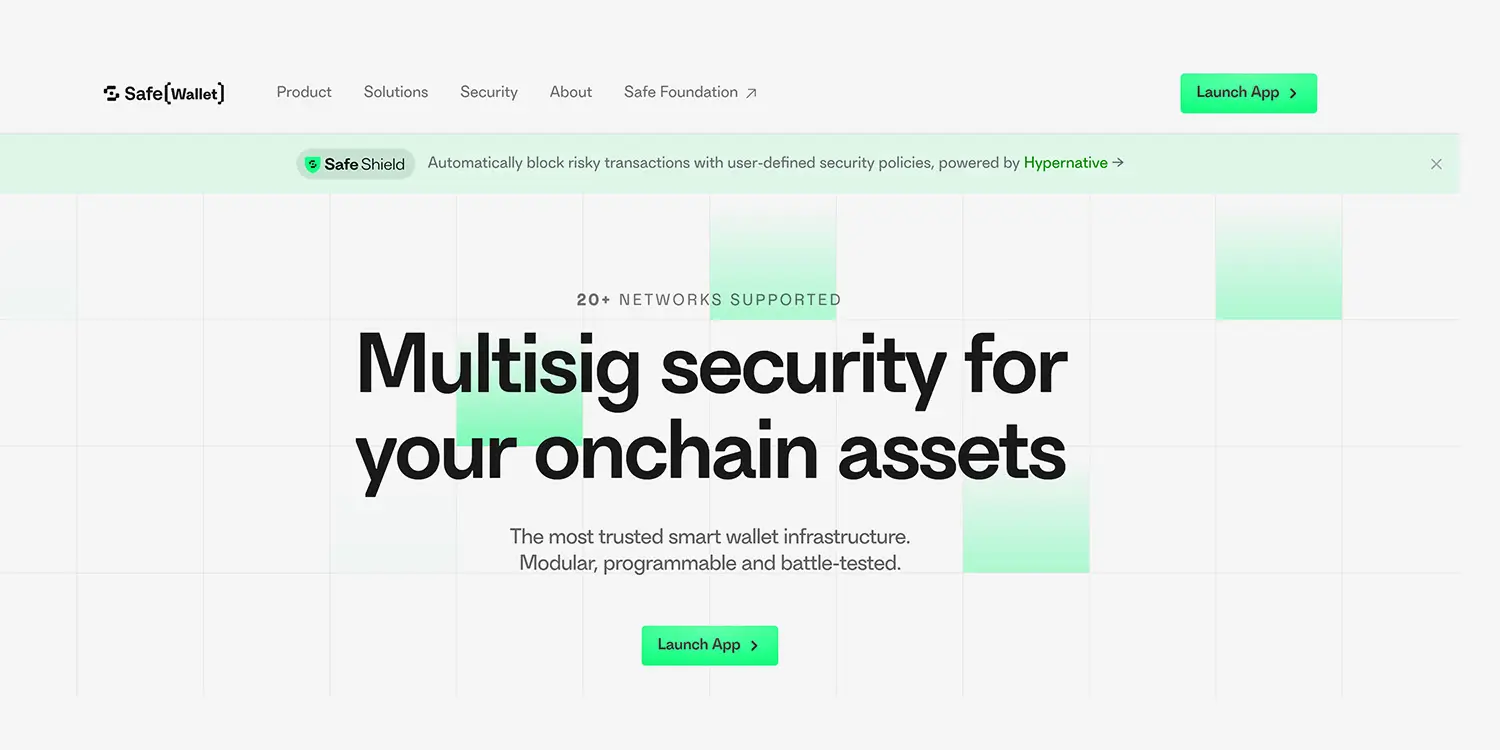
| Key Parameters | Details |
| Fee Structure | Network gas only |
| Supported Chains | ETH, POL, Arbitrum, L2s |
| Multisig Flexibility | High |
| Hardware Support | Trezor, Ledger |
| Recovery | Signer replacement |
| Transaction Simulation | Yes |
| Gas Optimization | Yes |
| dApp Compatibility | Full compatibility |
| Security and Audit | Ackee Blockchain, and others |
| No Active Users | 11 million+ |
I’ve used Safe a couple of times in real DAO setups, and it actually works. The onboarding felt intuitive, and the modules added real flexibility without breaking workflow. Safe also has good reviews on X and Reddit. Users on X love Safe for its maturity and billions in TVL. Meanwhile, Reddit users love its security history but are concerned about the occasional gas costs.
Best for High-Net-Worth Individuals
Casa was first a Bitcoin-only wallet, but that’s not the case anymore. Today, it’s open to Ethereum users, which is good for flexibility. Casa uses native Bitcoin multisig with PSBT workflows, XPUB-based coordination. All of these make it a good option for whales and individuals with large holdings.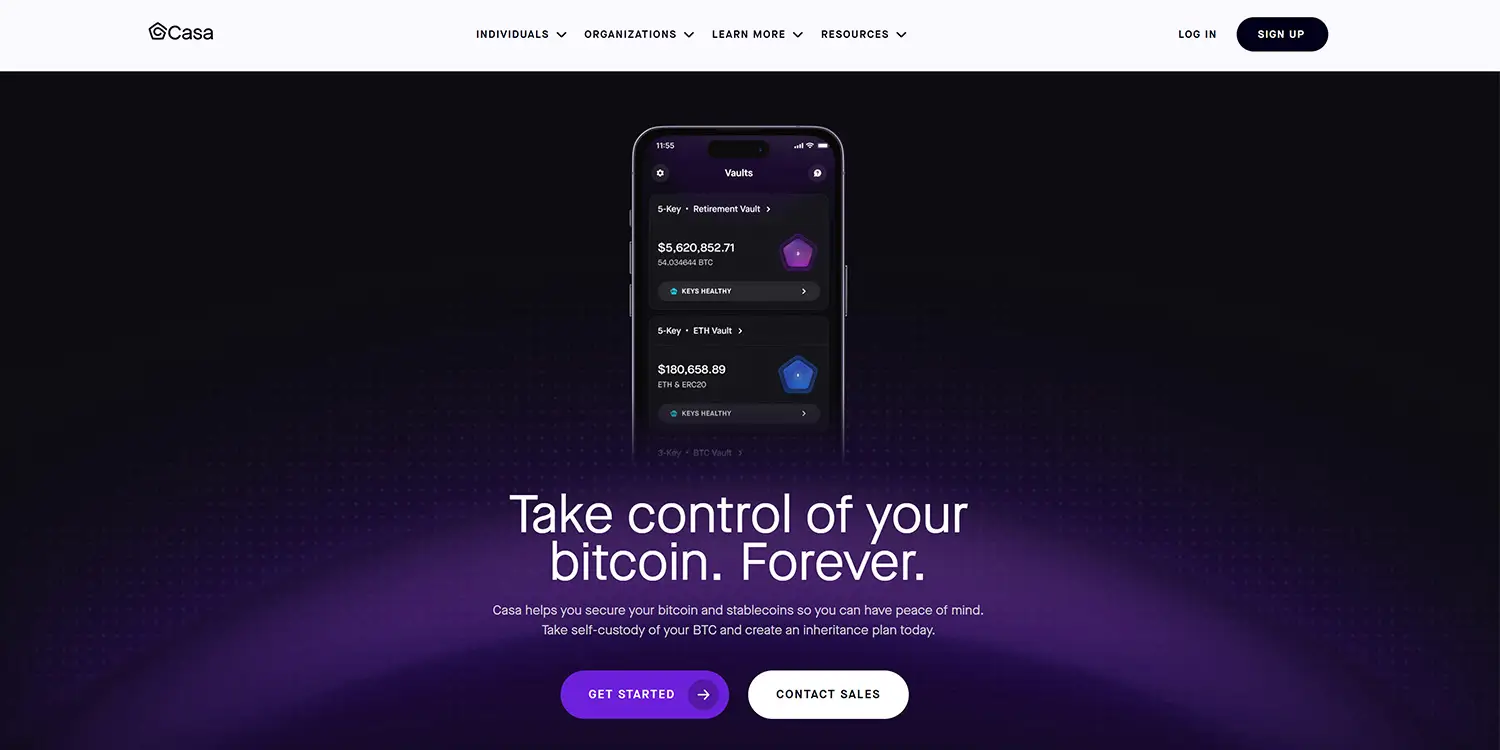
| Key Parameters | Details |
| Fee Structure | Subscription model ($2,100 annual charge for premium) |
| Supported Chains | BTC, ETH, |
| Multisig Flexibility | 2-of-3 fixed |
| Hardware Support | Trezor, Ledger |
| Recovery | Sovereign recovery |
| Transaction Simulation | No native simulation |
| Gas Optimization | Limited |
| dApp Compatibility | Limited |
| Security and Audit | SOC 2 Type II |
| No Active Users | 40,000+ |
I took a good look at Casa and did a little test, and from experience, Casa is one of the best multisig wallets in terms of security setup. I like the seedless multisig model it offers. Plus, the UI felt really clean, which is not too common with multisig wallets. Overall, Casa has good feedback on both Reddit and X.
Best for Institutions with Compliance Needs
BitGo focuses largely on institutions that want structure and compliance. It runs a 2-of-3 (M-of-N) setup using native multisig or MPC/TSS hybrids across Bitcoin, Ethereum, and EVM chains. BitGo’s design makes it suitable for corporate governance. It also offers hot and cold wallet options, audit trails, key rotation, and strong SPOF protection. 
| Key Parameters | Details |
| Fee Structure | Transaction-based |
| Supported Chains | Multi-chains, including BTC, ETH, and EVM chains. |
| Multisig Flexibility | 2-of-3, policy scope |
| Hardware Support | Yes |
| Recovery | Key rotation |
| Transaction Simulation | Yes |
| Gas Optimization | Standard |
| dApp Compatibility | Moderate (institution-focused) |
| Security and Audit | SOC 2 |
| No Active Users | 1,500+ institutional clients |
I like that BitGo’s design is enterprise-first. I checked reviews on X, and teams like the depth of governance and reliability it offers. I wouldn’t recommend BitGo to individual users. Instead, it feels more ready for institutions that want compliance.
Best for Bitcoiners and Self-Custody
Unchained focuses solely on Bitcoin and encourages collaborative custody. One of its defining features is the use of a 2-of-3 P2WSH setup and PSBTS, hardware wallets, and HD keys preserved in cold storage. Another great quality of using Unchained is its bitcoin-backed loans with no rehypothecation.
| Key Parameters | Details |
| Fee Structure | Vault sub |
| Supported Chains | BTC (primary) |
| Multisig Flexibility | 2-of-3 coordinator |
| Hardware Support | ColdCard, Trezor |
| Recovery | Seed backups |
| Transaction Simulation | PSBT previews |
| Gas Optimization | N/A |
| dApp Compatibility | Not applicable |
| Security and Audit | Hosho |
| No Active Users | Growing adoption among BTC users |
Unchained is one of the wallets I recommended for anyone seeking sovereignty with structure. Users on X praise its IRA and loan execution. However, others on Reddit debate the fees but respect the transparency it offers.
Best for Advanced Holders
Electrum is another major Bitcoin multisig wallet, especially for advanced users. It supports P2SH/P2WSH multisig with custom M-of-N thresholds, XPUB-based setups, and PSBTs. Electrum is a lightweight non-custodial desktop wallet that pairs well with hardware wallets like Ledger, Trezor, and ColdCard. 
| Key Parameters | Details |
| Fee Structure | Free |
| Supported Chains | BTC |
| Multisig Flexibility | Arbitrary M-of-N |
| Hardware Support | Ledger, Trezor |
| Recovery | Seed phrase |
| Transaction Simulation | No |
| Gas Optimization and Fee Payer | N/A |
| dApp Compatibility | No |
| Security and Audit | Open-source |
| No Active Users | 1m+ |
Electrum is powerful and not necessarily pretty in terms of its interface. Some X reviews described it as a battle-tested multisig wallet, while Reddit reviews praised it mostly for its ColdCard multisig. From my personal review of Electrum, I strongly recommend it for already experienced users, as it could feel overwhelming for newbies.
Best for Long-Term Holders
Specter is a desktop-focused multisig wallet for long-term holders. In terms of structure, Specter supports native multisig with 2-of-3 or 3-of-5 signatures, multi-vendor hardware coordination. It also supports descriptor exports for recovery and fingerprint verification. 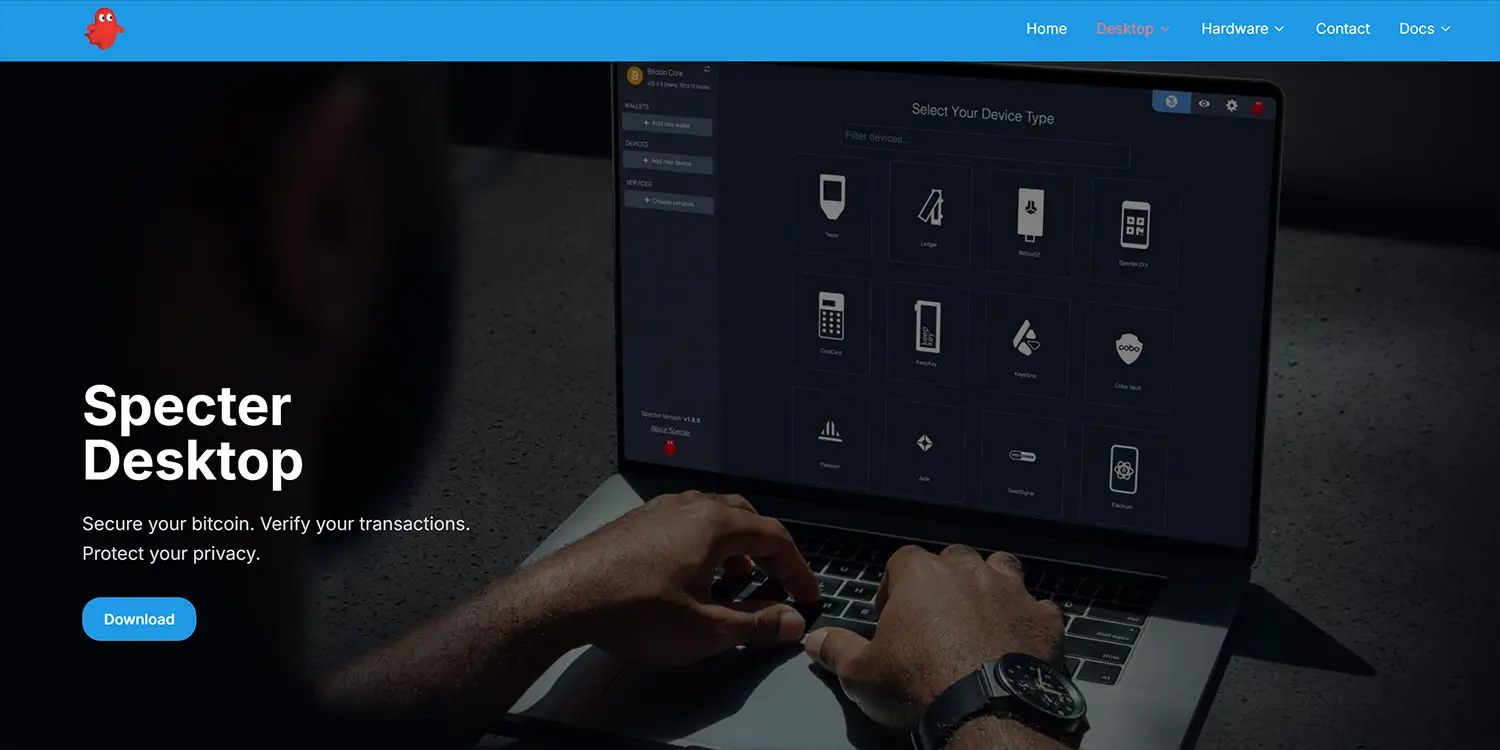
| Key Parameters | Details |
| Fee Structure | Free |
| Supported Chains | BTC |
| Multisig Flexibility | Full descriptor M-of-N |
| Hardware Support | Multi-vendor USB |
| Recovery | Descriptor / seed |
| Transaction Simulation | Partial PSBT signing for offline testing |
| Gas Optimization and Fee Payer | N/A |
| dApp Compatibility | Bitcoin-focused |
| Security and Audit | Open-source |
| No Active Users | Growing number of BTC users |
From my review of Specter, it shines mostly for multi-device, privacy-focused storage. I checked reviews on X, and most users loved Specter for its desktop security and control. Others loved its coordinated multisign setups, which make it well-suited for advanced users seeking full custody.
Best for Bitcoiners and Mobile Users
Nunchuk is both mobile and desktop-friendly. It also supports self-custody and collaborative key management. Nunchuk also supports 2-of-3 and 3-of-5 signatures, descriptor language, PSBT, coin control, and RBF. There’s also full hardware support. 
| Key Parameters | Details |
| Fee Structure | Free core, pro sub |
| Supported Chains | BTC |
| Multisig Flexibility | High (2-of-3, 3-of-5) |
| Hardware Support | Ledger, Trezor |
| Recovery | Social/inheritance |
| Transaction Simulation | App previews |
| Gas Optimization | N/A |
| dApp Compatibility | BTC-focused |
| Security and Audit | Open-source |
| No Active Users | Moderate |
Nunchuk perfectly combines mobile multisig and collaborative custody. It offers escrow-style wallets and inheritance planning, making it good for multi-users and those who need trust-minimized setups.
Best for Self-Custody BTC
Sparrow is another Bitcoin-focused wallet that’s designed for long-term, self-custody BTC holders. Sparrow supports 2-of-3, and up to 9-of-9 multisig setups, PSBT, and hardware integration. Sparrow also offers advanced features like TOR, giving you full control over your custody and transactions.
| Key Parameters | Details |
| Fee Structure | Free |
| Supported Chains | BTC |
| Multisig Flexibility | PSBT M-of-N |
| Hardware Support | Coldcard, Trezor, Ledger, and others. |
| Recovery | Descriptor/seed |
| Transaction Simulation | Advanced previews |
| Gas Optimization | N/A |
| dApp Compatibility | BTC-focused |
| Security and Audit | Open-source |
| No Active Users | A growing number of power BTC users |
Sparrow is a dream for every power user. I checked reviews on X, and most users like the flexibility it offers and privacy tools. Sparrow’s intuitive PSBT workflow and strong security make it one of the best multi-vendor multisig wallets.
Multisig wallets in 2026 are different from what they used to be a while back. They are no longer a jack of all trades. Right now, the best multisig wallets depend on your crypto, security needs, and even use cases. Here are the common types of multisig wallets in 2026.
Bitcoin multisig wallets are one of the most common today. They rely on native scripts like P2SH (Pay-to-Script-Hash) and P2WSH (Pay-to-Witness-Script-Hash). Bitcoin wallets support multiple cosigners to approve a transaction, using M-of-N signature schemes. Plus, you can set thresholds like 2-of-3 or 3-of-5, which significantly reduces a single point of failure (SPOF).
What are the use cases?
Overall, Bitcoin multisig wallets are simple, Bitcoin-native, and highly secure. The only drawback is that they are not programmable like Ethereum smart contracts.
Ethereum multisig wallets are smart-contract-based and operate on EVM-compatible chains. Generally, they offer more flexibility than Bitcoin multisig. So, I recommend the Ethereum multisig for DAO treasury management, cross-chain governance, and DeFi integrations.
If you’re all about flexibility, the Ethereum smart contract multisig wallet is your best bet. You can also implement advanced features such as account abstraction (ERC-4337), gasless signatures, or multi-biometric authentication to improve security.
The use cases include:
These wallets are programmable and perfect for teams or institutions managing multiple assets.
Hardware-backed multisig wallets take security to a different level by storing private keys on physical devices like Ledger, Trezor, or Coldcard. These are some of the best, most secure wallets of 2026.
On a hardware multisig wallet, each cosigner can approve transactions offline, meaning your funds stay air-gapped and safely away from online attacks. This setup makes sense for serious BTC or ETH holders who want to combine M-of-N signature schemes with cold storage and strong key loss mitigation.
Multisig hardware wallets are the key spot between self-custody and maximum protection. They offer individuals and teams peace of mind without relying on a single device or hot wallet.
Think of multisig crypto wallets as a group of your close pals approving your crypto transactions. Rather than a single key controlling everything, transactions depend on multiple cosigners to sign off. This is the M-of-N signature model.
For example, some setups, such as a 2-of-3 setup requires two of three signatories to approve a transaction. In a 3-of-5, three signatories are enough to approve the transaction. The goal is to reduce a single point of failure, making hacks or lost keys less disastrous.
To the big question, how do multisig wallets compare to regular crypto wallets like MetaMask? The difference is in convenience. So, multisig wallets are not as sleek or pretty as regular wallets like MetaMask in terms of UI, and that’s not their goal. The focus of multisig wallets is higher security and shared control.
Overall, Multisig wallets are more complex to set up and recover. However, they are absolutely what I recommend for teams, DAOs, and individuals with large holdings. They offer safer custody and keep you in charge of clear operational governance.
Setting up a multisig wallet sounds intimidating at first. In practice, it’s more about planning than technical skills. You’ll get confused if you rush it. The best approach is to take it step-by-step.
The first decision is the signer threshold. This is where most beginners get stuck. Here, you’re choosing how many approvals are needed to move funds versus how many total keys exist. A 2-of-3 setup is the most common. But it is not automatic for everyone.
Next is the signer selection. This part matters more than most people admit. Hardware wallets, offline devices or mobile apps all work. However, a mix of devices is better for security as it does not rely on a single device; the goal is to prevent a single point of failure.
Backup planning is where multisig setups either fail or succeed. Seeds or jey shards should never live in one place. The right approach is to spread back-up and recovery across multiple locations. It sounds uncomfortable, but it’s the only real protection against loss.
Before using the wallets, carry out some tests. Send small amounts at first, and ensure every signer understands the process before you commit real funds.
We reviewed the best multisig wallets with a practical approach, using the CoinGape review methodology, which is all about focusing on what truly matters. Here are some of the factors we ranked each wallet on:
Compatibility and Usability
Hardware compatibility ranked high on our list. We looked at compatibility with devices like Ledger and Trezor. Our review also focused on wallets with a high usability score. Wallets with ease of use ranked higher. We considered factors like signer management, approval flows, and how easy it was to coordinate transactions.
Transparency and Adoption
Transparency matters in crypto custody. We gave higher scores to wallets with open-source code and a clear audit history. Our review also emphasized real-world adoption. We looked at adoptions by institutions, DAOs, and funds. These adoptions show trust beyond marketing hype.
Crypto wallets don’t solve the same problems. For example, multisig wallets focus on self-custody and shared control. They achieve this by requiring multiple signers to approve transactions.
You retain ownership, reduce single-point-of-failure risk, and maintain a clear on-chain audit trail. However, the only trade-off is operational complexity. You need more coordination for more signers.
But custodial wallets work differently. Their model focuses on ease of use. However, you hand over control to a third party. This setup introduces trust assumptions, counterparty risk, and potential compliance lockups.
A third option is MPC wallets (multiparty computation). MPC wallets split key control using cryptography instead of on-chain multisig. This approach reduces key exposure, but it is less transparent and harder to independently audit compared to multisig setups.
Choosing the right multisig wallet in 2026 comes down to the type of user you are. For individuals with large holdings, you need Bitcoin-native or hardware-backed multisig wallets like Unchained. They offer the strongest self-custody and long-term protection.
On the other hand, teams and companies need multisig wallets with clear signer roles, flexible quorum settings, and smooth approval workflows like BitGo to avoid internal bottlenecks. For DAOs and treasuries, the focus should be smart contract multisig wallets that support governance, transparency, and a clean on-chain audit trail. I recommend Casa for this user type.
Overall, the rule for choosing the best multisig wallet is simple. Prioritize security over convenience. Look out for strong governance, tested backups, and clear recovery plans. These matter more than fancy features.
In most cases, yes. Multisig wallets reduce single-key risks by requiring multiple approvals. However, they are more complex to set up than hardware wallets.
Options like Unchained, Casa, and Electrum work well, depending on whether you want guidance or full flexibility.
Safe (Gnosis) is widely used by DAOs and treasury teams.
Nothing is impossible. But multisig setup makes it harder, as there is no single point of failure.
Not always. But they require planning, coordination, and recovery testing, which may overwhelm new users.
Most top multisig wallets, like Safe, support hardware wallets like Trezor and Ledger for cold storage security.
Yes, platforms like Bitgo are designed for regulated institutional custody.


 2M+ Monthly Readers
 50k+ Articles