

 Buy $GGs
Is Crypto Futures Trading Profitable in 2026?



If you are considering crypto futures trading or are already in the game, you are probably thinking the same as others: Can trading crypto futures really be profitable in 2026? We have just moved from 2025, which saw a mix of highs and lows, with the market hitting all-time highs several times, only to brutally crash in October, with billions wiped out in leveraged positions.
Now that 2026 is here, the crypto market is calm, not bearish, but somewhat cautious. Kudos to the active participation of institutions, and regulations on virtual currencies becoming even more clearer. Indeed, volatility is still intense, but predictability is becoming possible more and more.
This mix creates opportunities, but if you want to succeed and make a profit, you have to commit yourself by approaching trading futures with discipline and realism. But before we dive deeper, we need to understand what crypto futures are.
What are Crypto Futures?
You can buy crypto coins like Bitcoin or Ethereum on the spot market, but crypto futures operate differently. They’re derivative contracts that let you bet on price movements without owning the coin itself.
Their power lies in leverage, with which you can control a much larger position using a small amount of capital. The common ones are 10x, 20x, or even more on crypto exchanges like Binance, Bybit, or regulated venues such as CME.
You will find most retail traders using perpetual futures, often called “perps.” These contracts don’t expire. What happens is that they use funding rates to stay close to the spot price. You can either pay or receive funding at set intervals. When long positions dominate, it is termed as positive funding, and negative when the market leans bearish.
Traditional quarterly futures are still in existence and are mainly used for hedging. In 2026, perps dominate because they’re flexible and easy to use.
Think of leverage as borrowed power. It can multiply gains quickly, but the same small price move can just as easily wipe out your position.
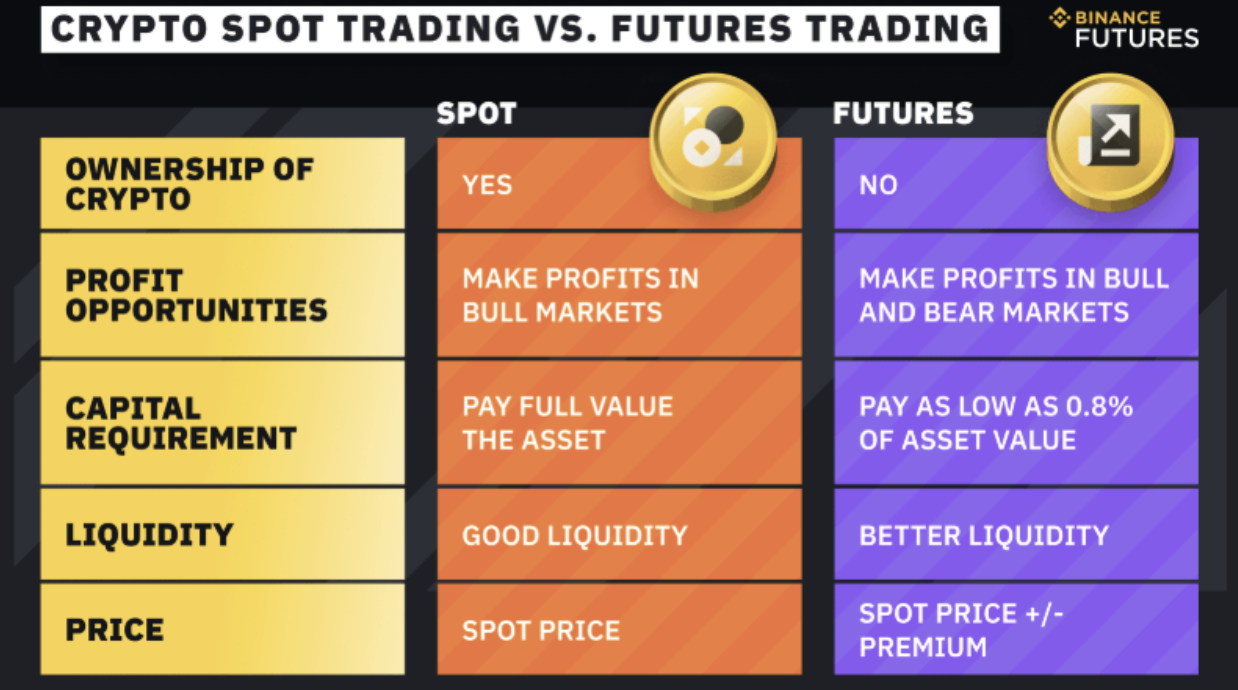
Is Trading Crypto Futures Really Profitable?
A small group of traders find it profitable to trade crypto futures, but most people don’t or are just sceptical. They say numbers do not lie, and last year’s data show how attractive futures can be.
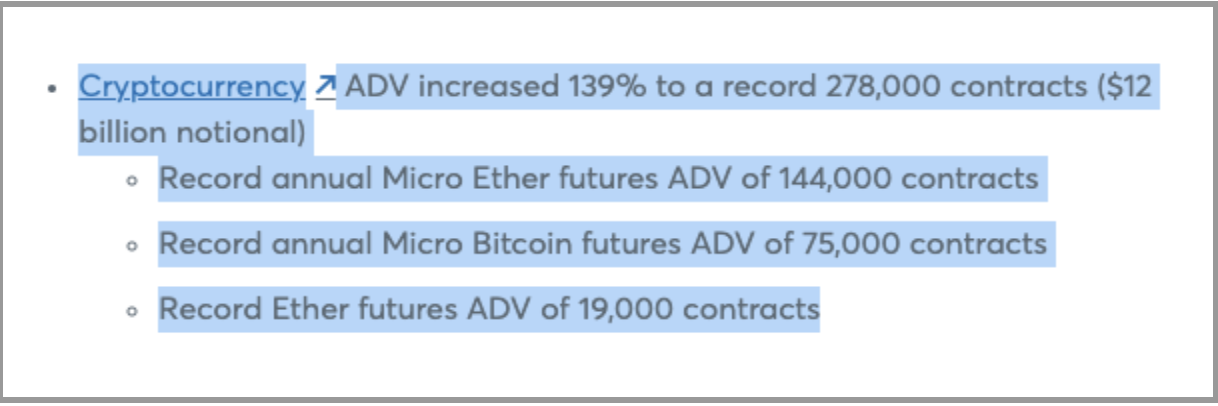
Crypto trading volumes increased to around $80 million, with the biggest contributor being perpetual contracts and futures. Leverage dominates with derivatives making up roughly 79% of total volume. This means that most traders aren’t buying coins straight away. They are betting on price moves using borrowed exposure.
The trend is even clearer for institutional traders. For example, CME Group, one of the world’s most regulated derivatives exchanges, smashed multiple records, reporting average daily crypto derivatives volume of around $12 billion in 2025.
There are also plans to introduce futures tied to altcoins such as Stellar, Chainlink and Cardano in February 2026. That level of commitment shows that institutions have increased confidence in crypto futures as a long-term market.
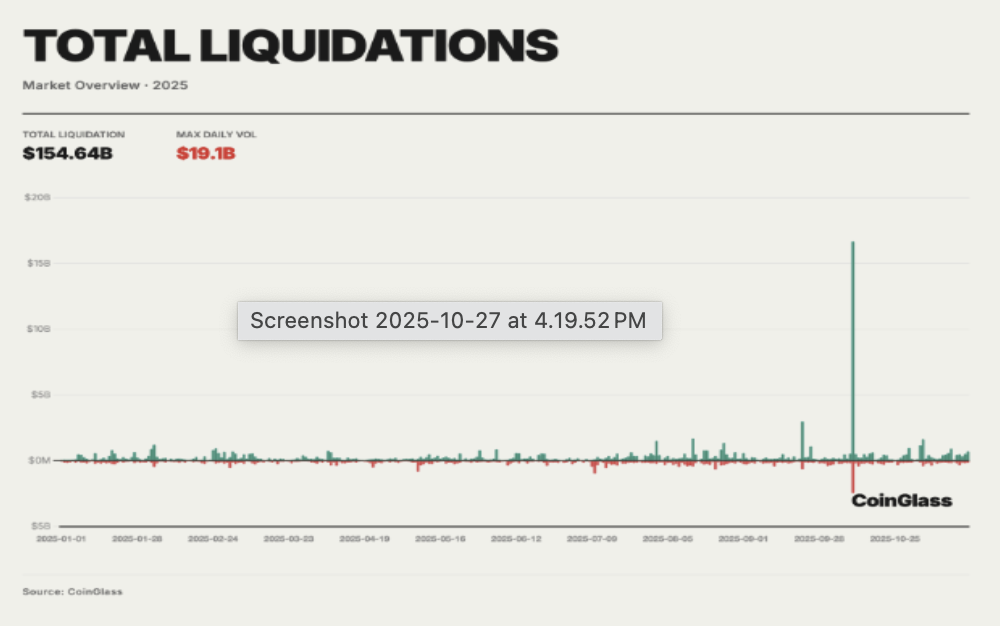
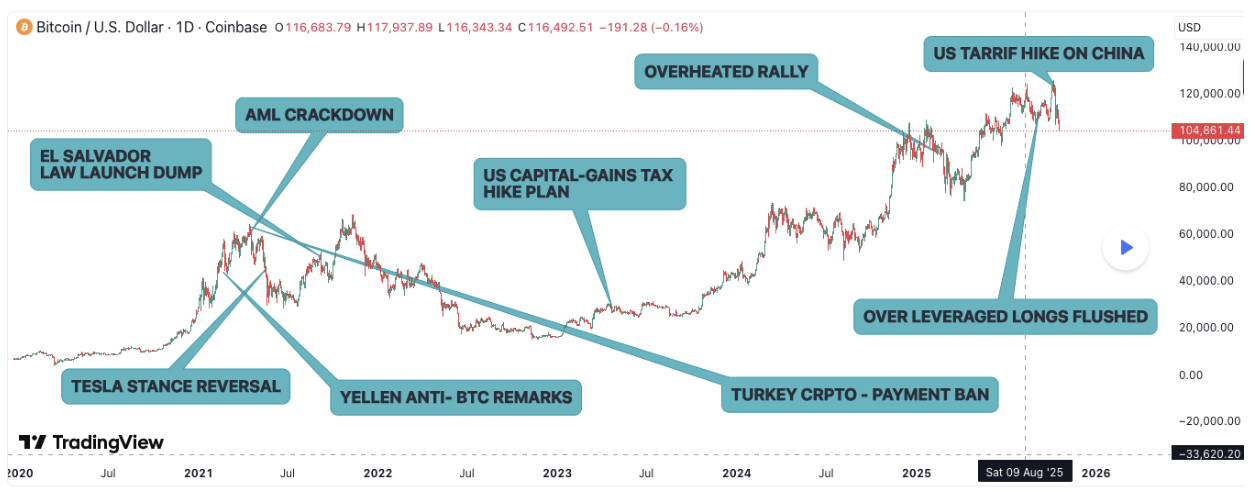
However, there is a brutal downside. According to Coinglass, 2025 saw massive liquidations of between $150 and $155 billion, with about 19.16 billion were being wiped in a single day on October 10, 2025, $19.16 billion.
This was a crypto market reaction following the U.S. tariff threats against China triggered. Even in early 2026, traders have already seen individual rallies end with $700 million or more in liquidations.
In such a case, experience matters a lot. Professional and institutional traders usually utilize risk controls and hedging consistently, and extract small profits. However, when it comes to retail traders, you will notice they often overuse leverage and get caught in liquidation cascades. The gap between the two remains wide going into 2026.
Rough 2025-2026 patterns
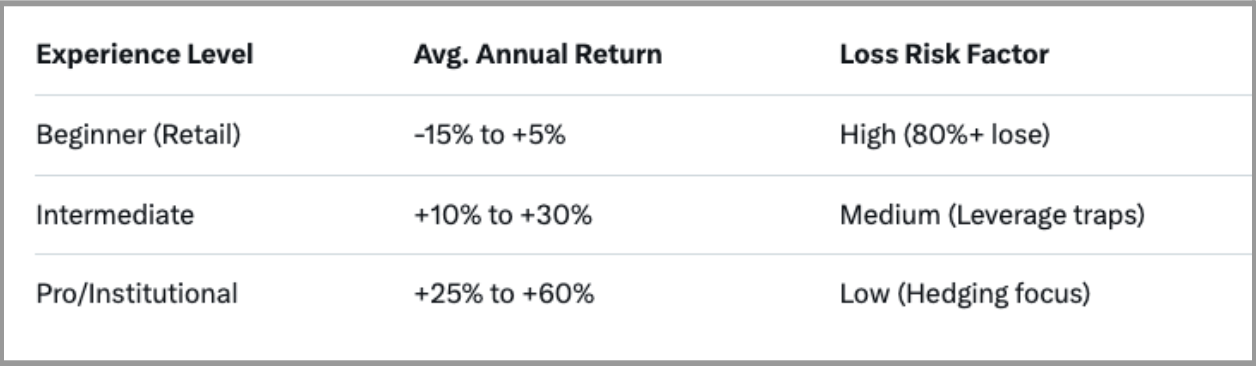
If you’re new, statistics still show 70-90% lose money long-term due to leverage traps. The good news is that trading tools are now more advanced, established platforms charge lower fees, and liquidity is deeper than it was a few years ago.
Why do Institutions Often Win Big While Retail Traders Struggle?
When conducting crypto futures trading, big investors know better that they can’t treat it as a gamble. They use perpetual futures to gain exposure without locking up large amounts of capital. It’s the primary reason regulated platforms like CME keep attracting institutional money.
Last year, open interest hit record highs, and the cryptocurrency exchange is expanding its futures lineup with more altcoin contracts. That kind of activity shows structured strategies are in place, with long-term horizons, and strict risk controls.
On the opposite reality, you will find retail traders who are on the run for fast-moving markets, and chase price breakouts with high leverage. More often, they ignore funding fees, and when the market crashes, liquidation cascades wipe out positions in minutes.
There are various reasons why institutional traders win this game. They :
- Use advanced risk management models
- Have access to deep liquidity
- Pay lower fees and trade at scale
Tokenization of real-world assets is expected to gain mainstream traction in 2026. Therefore, institutions are in a better position to earn returns that are steadythrough carry trades and strategies based on volatility.
For retail traders, the takeaway is simple but important: keep leverage small, hedge when possible, and stay patient. In futures trading, discipline usually beats speed.
The Harsh Reality of Liquidations and Common Mistakes
Crypto futures do not overlook your unpreparedness. Be aware that the biggest trap is leverage. When prices move even in a small way, serious damage can happen. A movement of 5% at 20x leverage can work against you and wipe out an entire position. The October 2025 occurrence is evidence, where around $19 billion was liquidated within hours. Prices dropped, and long positions were wiped out.
Another factor is funding rates, which can drain accounts without being noticed. Let’s say you’re holding positions for the long term. If funding is paid to short sellers during bearish conditions, it might eat into your profits.
Even more worse are the risks associated with platforms not regulated. They may present questionable pricing, sudden rule changes and technical outages.
We also have macro factors like geopolitical events, trade tensions and interest rate decisions, making it difficult to predict prices. You should approach these markets seriously. Have a plan in place, set risk limits and realistic expectations. If you treat it like a gamble, you will quickly end up in losses.
Where are the Opportunities in 2026?
Yes, risks are present, but if you are well prepared, you can find good opportunities and potentially make a profit. The market is improving its confidence with regulatory clarity, continued growth of ETFs in stablecoin supply and increased ETF inflows.
Tokenization of real-world assets and deeper integration between DeFi and derivatives are adding new layers of liquidity. Volatility remains high, which is exactly what futures traders need. Good preparation matters more in this market than bold and risky moves.
Proven Futures Strategies That Could Work in 2026
To succeed in 2026, you could apply the tested approaches below.
- Funding rate arbitrage – Captures yield from imbalances across exchanges
- Trend-following systems – More often used during strong directional moves
- Spot hedging – Using short futures to protect long-term holdings
- Mean reversion setups – Fading extreme overextensions with tight stops
- Macro pair trades – Rotating between BTC and altcoins based on risk sentiment
None of these is magic. They require testing, discipline, and strict risk control.
Don’t Ignore Risk Management
Without an appropriate risk management in place, your strategy will not work in 2026. Most retail traders strive to keep leverage modest, around 3-5x, risk no more than 1% of their account per trade, and always use hard stop losses.
Practising good habits can also be very helpful. Journal your trades, keep an eye on funding costs, and know when to step away after a drawdown instead of trying to “win it back.” The takeaway from more than $150 billion in liquidations over the last year communicates very clearly. The first priority is to stay in the game. Profits only matter if you survive long enough to earn them.
Conclusion: Can You Profit From Crypto Futures in 2026?
Crypto futures can still be profitable in 2026, but mainly for traders who are prepared and disciplined. We are more likely to see institutions and professionals recording strong performances. Often, it is an annual return of 25% or more by using hedging, arbitrage, and well-tested strategies. Retail traders aren’t locked out, but expectations need to be realistic.
You would rather have a steady or consistent return of 10-30% with controlled risk, instead of blowing up accounts trying to chase fast money. Trade small, stay focused, and never put money on the line that you can’t afford to lose.
Additional Sources


- The AIAO Token Hits New Milestones with Listings on CoinMarketCap and WEEX
- How to Buy RWA Tokens Safely in 2026
- How to Read a DEX Security Report and Spot Risks Before You Deposit
- Kalshi vs Polymarket – Which Platform is Better to Use in 2026
- Is KYC Mandatory for Presales? Understanding KYC Vs No KYC Pre-sales


