
 Buy $GGs
Kalshi vs Polymarket – Which Platform is Better to Use in 2026


If you are new to prediction markets, this guide is for you. This industry has quickly become one of the most talked-about topics in online trading. However, it has nothing to do with buying or selling of crypto and stocks. Here, you trade on real-world outcomes, such as ” Will inflation rise next month?” “Will the Fed cut interest rates in the coming meeting?” “Will bitcoin cross the $150,000 mark?”
Prediction markets are not based on niche experiments anymore, evolving to handle billions of dollars in trading volume. In December 2025 alone, prediction markets processed more than $12 billion in trades across major platforms, showing just how popular they’ve become.
In 2026, we are seeing them attract daily users, media companies, researchers, and even hedge funds. Besides speculation, you can use these platforms to crowdsource probabilities, hedge risk and test opinions. More often, they are praised for being more accurate than expert forecasts or polls.
Currently, Kalshi and Polymarket dominate the industry. So which one will work better for you in 2026? Both platforms experience heightened activity, with Kalshi moving trades around $2 billion each week, with Polymarket following closely. However, they operate differently. While Kalshi is regulated and more traditional, Polymarket is built for crypto users and runs in a decentralized way, on blockchain technology.
Let’s break them down in simple terms so you can choose wisely, the suitable platform for you.
What Exactly is a Prediction Market?
Before we dive into the best platform to choose in 2026, let’s first understand the basics. A prediction market lets you trade on the outcome of a future event using simple “Yes” or “No” contracts.
Will Bitcoin hit $120,000 by April?
Will Team B win the next Super Bowl?
Will candidate A win the U.S. presidential election?
Buying a “Yes” contract at $0.70 means that, according to the market, there is a 60% chance the event will happen. If it finally happens, the contract pays you $1, and if it fails to take place, it pays nothing. Therefore, your profit and loss depend on how accurate your prediction was.
These markets have exploded in 2026. As earlier mentioned, major platforms reported a combined trading volume of around $12 billion in December last year alone. Moreover, Messari reported that in just the first half of October, Polymarket handled about $1.9 billion in trades, with Kalshi close behind at $1.8 billion.
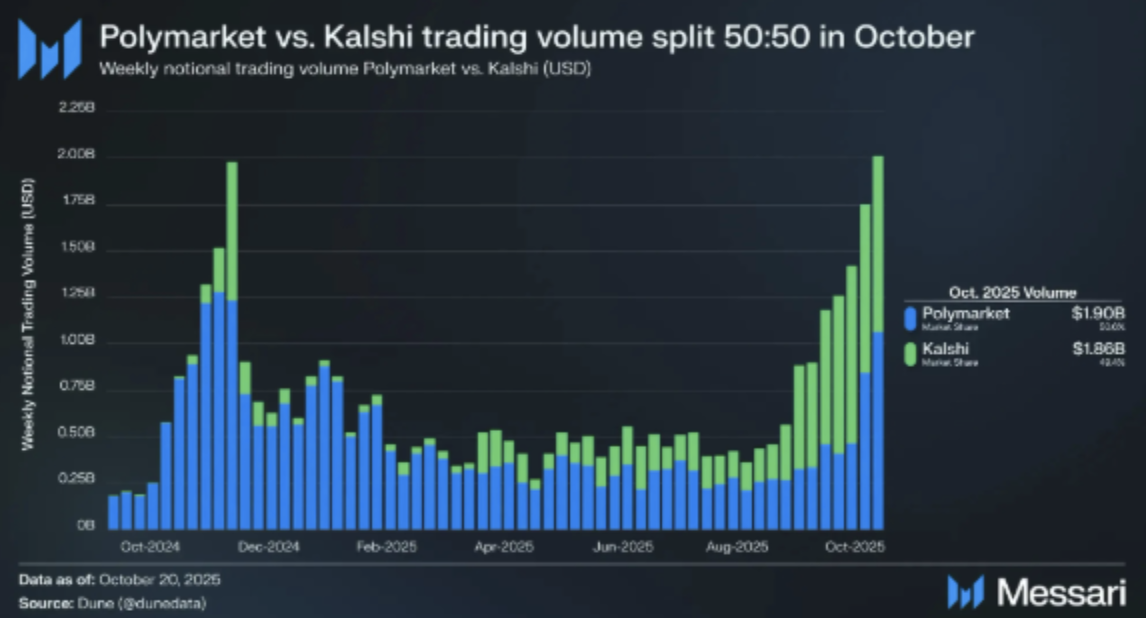
So, what happened? Well, the outstanding market performance was catalysed by AI developments, geopolitical tensions, global elections, and major sporting events.
Kalshi – Regulated and Traditional
The best way to describe Kalshi is the traditional finance version of prediction markets. It operates under the regulation of the U.S. Commodity Futures Trading Commission (CFTC), the same body that oversees futures and options markets. Meaning, Kalshi is committed to following strict compliance rules concerning market integrity, protection of users and transparency.
How Does Kalshi Work?
To enter a trade on Kalshi, you only start by funding your account. U.S dollars are recommended, which you can pay through various methods, including PayPal, a debit card or a bank transfer.
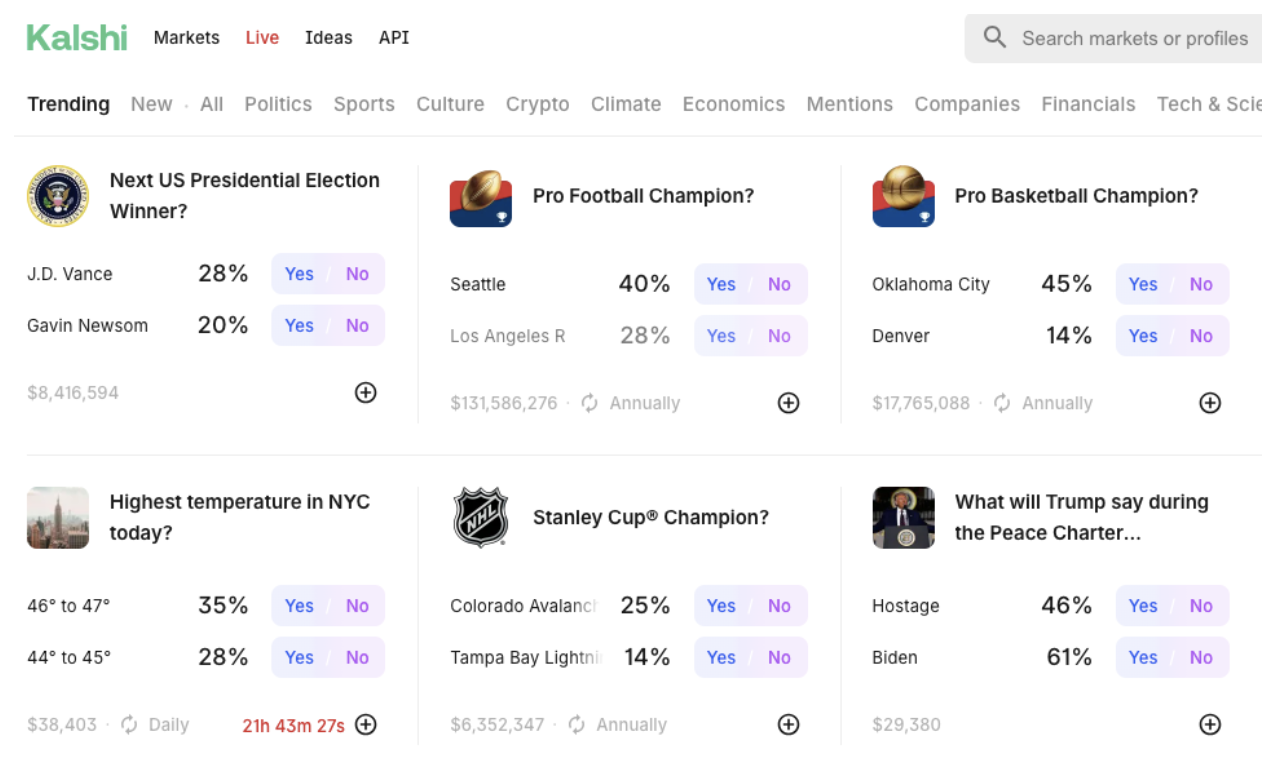
Here, you don’t need a crypto wallet, and markets are clearly labelled and curated. They primarily focus on major news events, such as the upcoming FIFA World Cup, sports, politics, and economics. Nothing is complicated, because the feel is similar to using a stock trading app.
Kalshi at a Glance
In 2025 alone, Kalshi handled more than $50 billion in annualized trading volume, with some months going as high as around $4.4 billion in activity. As 2026 begins, the platform has handled close to $2 billion so far.
The driving factor has been a partnership with major media and finance names like CNN, CNBC, and Robinhood. Through this, it has been able to expose prediction market odds to millions of everyday users. Those partnerships have helped move prediction markets from a niche idea into something far more mainstream.
Kalshi’s fees fall between 0% and 20%. In case you place orders that add liquidity to the market, you won’t pay any fees at all.
Pros and Cons
| Trusted for operating as a regulated platform | The platform is fully centralized with your finances under the custody of Kalshi |
| You don’t need a crypto wallet or blockchain knowledge to get started | It has fewer markets compared to other platforms |
| Strong liquidity, as the market is tied to U.S. topics like inflation data, interest rates, or sports events, which leads to high activity | Faces legal challenges at the state level, especially around sports-related markets |
| When an event ends, settlements are quick |
Polymarket – Decentralized, Global, and Crypto-Native
Polymarket approaches thing different from Kalshi. It is decentralized, running on the Polygon blockchain, and uses USDC stablecoin instead of dollars. The good news is that you have control over your own funds, as they stay in your crypto wallet, instead of the platform itself.
At the moment, Polymarket is open to users outside the United States, and it’s widely used across Europe, Asia, and other regions. A U.S. version approved by the CFTC is expected to take effect in 2026. The market is watching with expectation for this move, opening doors to larger audiences.
How Polymarket Works?
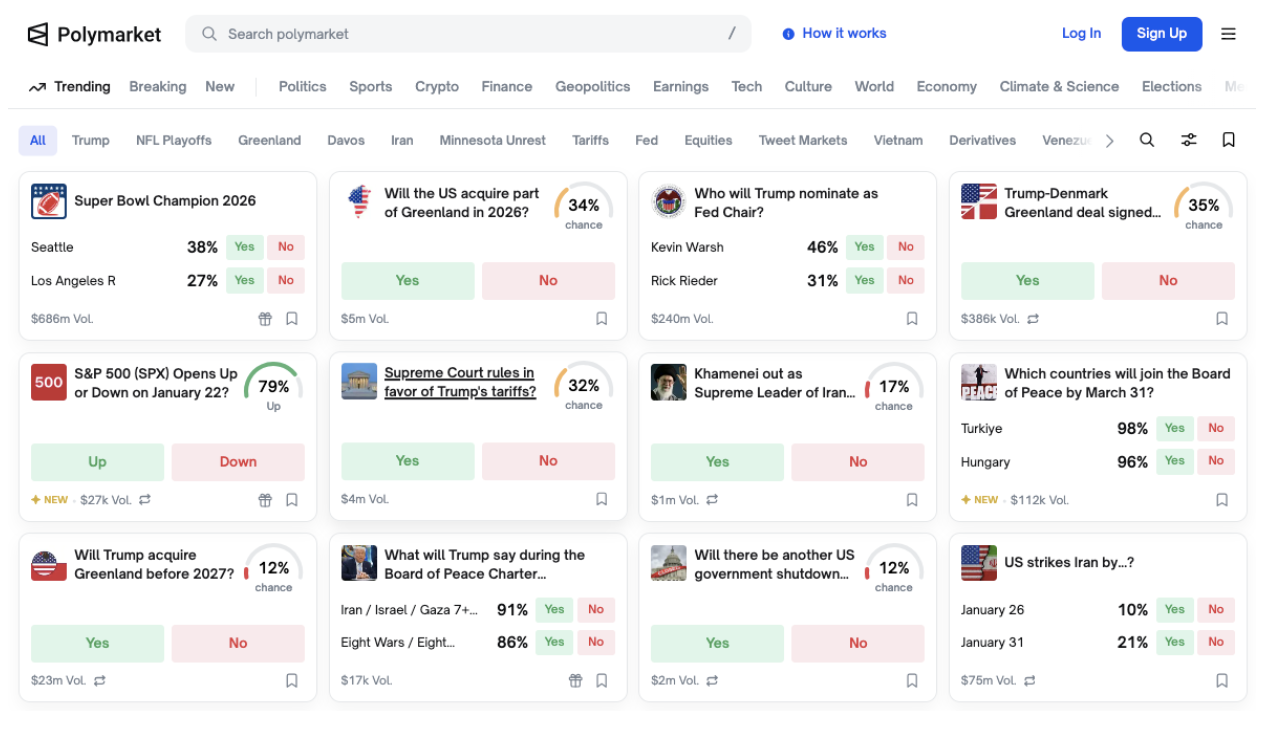
Polymarket is built for crypto users and enthusiasts; you only need to connect a crypto wallet to get started. Instead of U.S dollars, you will use USDC, a stablecoin pegged to a dollar. The platform has more creative and niche questions than on regulated platforms, because it allows anyone to create markets.
After the event comes to an end, users are paid automatically through smart contracts, using oracles (trusted data sources).
Polymarket at a Glance
The growth of Polymarket over the past year demonstrates how much decentralized prediction markets are in demand. It handled a total volume of of $7.74 billion. It served around 478,000 traders a month, over 5,000 live markets. On the platforms, you will find pretty much everything, ranging from niche events to global politics.
There are rumours that $POLY, the platform’s governance token, may be launched in 2026. We could see this triggering increased community participation.
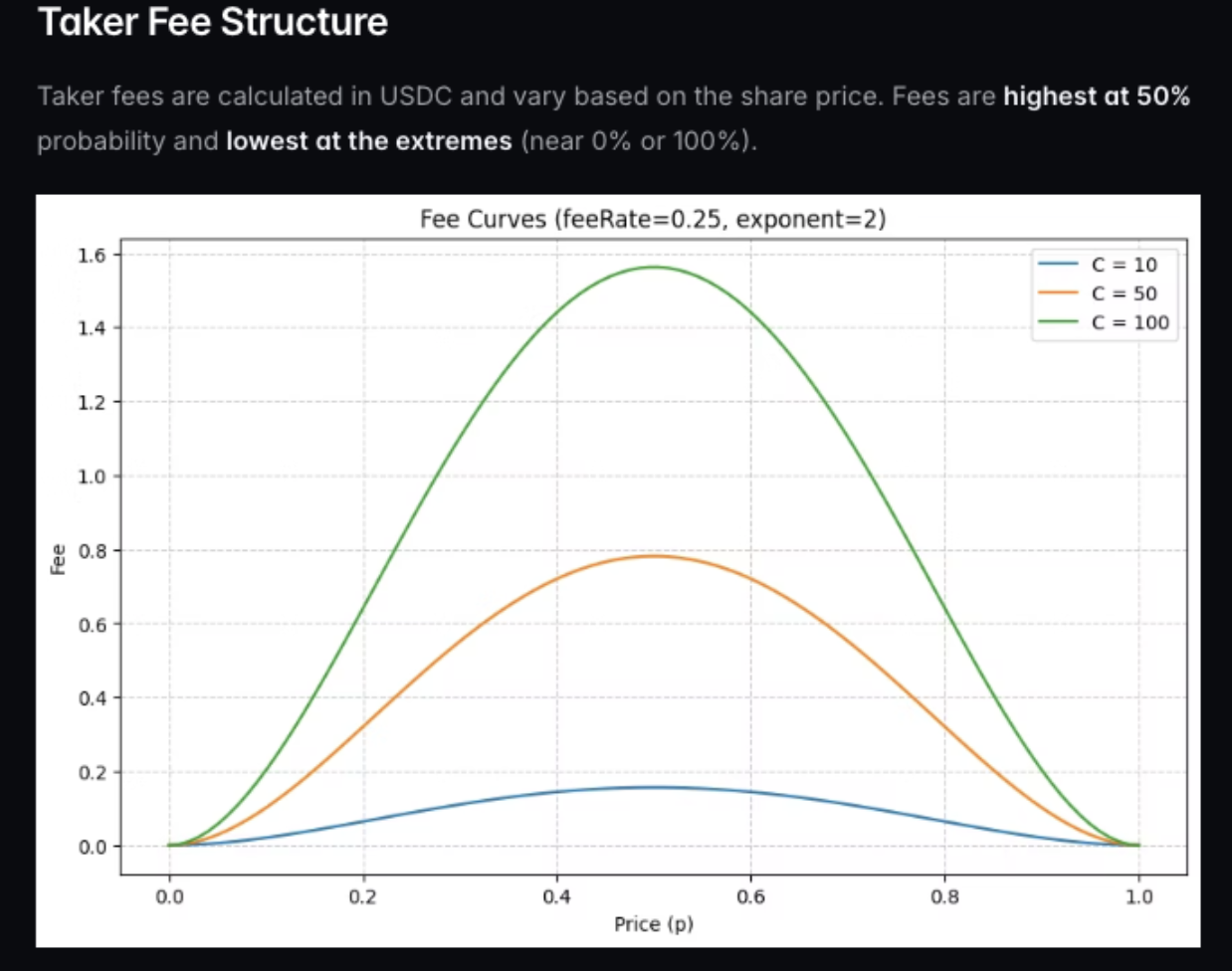
When we tried it out, we found that for most markets, trading is free, making it easy to enter. Only a small taker fee, usually around 3%, is charged on some crypto price bets.
Pros and Cons
| Fully decentralized and transparent, you can verify every trade on the blockchain. | You need to learn about cryptocurrencies before you start |
| Access to a much wider range of markets | Certain niche markets can have low liquidity, slowing trades |
| You can keep your own funds in your crypto wallet | You could face smart contract risks, such as failure of oracles |
Kalshi vs Polymarket – A Quick Comparison
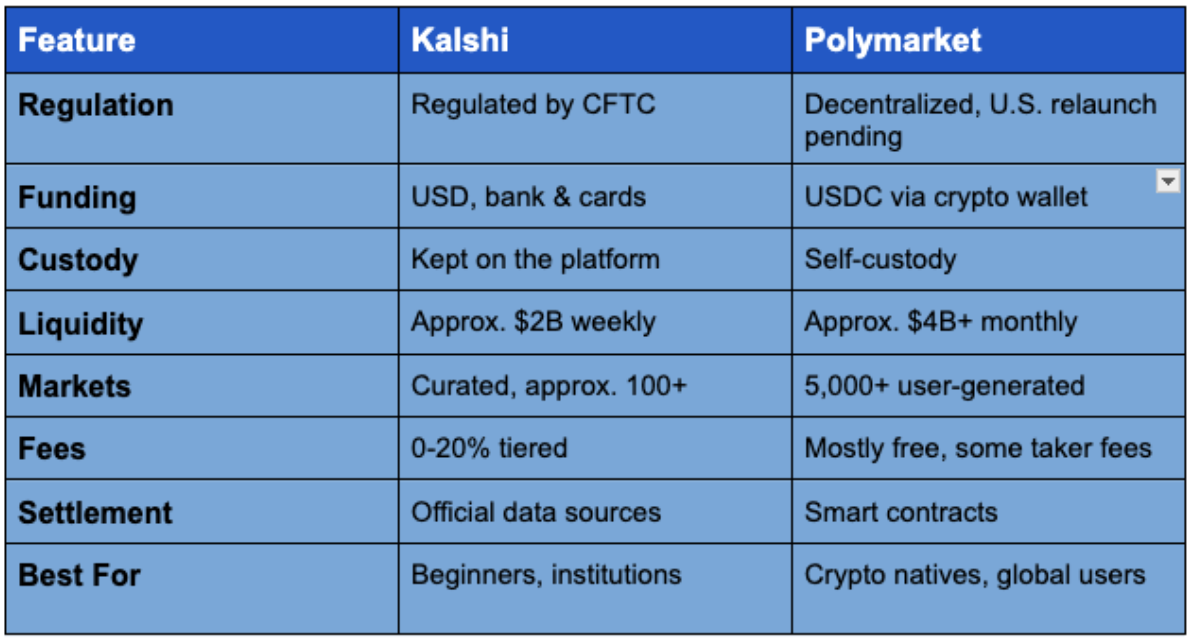
Some advanced traders even arbitrage between Polymarket and Kalshi, capturing price differences of 3-5% on similar events.
Final Thoughts: Which Prediction Market Platform is Better to Use in 2026?
If you are looking for something simple, regulated, and easy to use, you can consider Kalshi. But you are a crypto enthusiast, want access to a wide range of markets and something more flexible, Polymarket is the ideal prediction market platform to go for. If you are a beginner, start small, monitor the movement of odds, and treat these markets as a learning experience, and not a get-rich-quick scheme.
Additional Resources