
 Claim Bonus
Is KYC Mandatory for Presales? Understanding KYC Vs No KYC Pre-sales


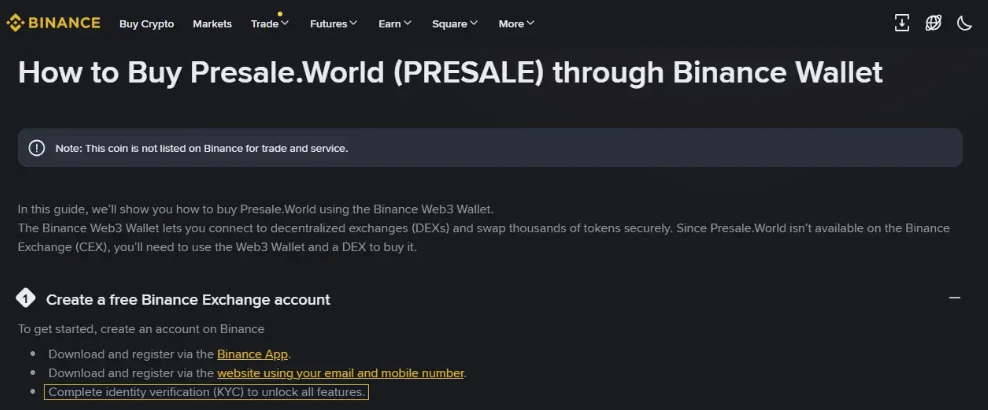
One of the tried-and-true strategies for churning returns on early-stage cryptocurrency investments is crypto presales. While in some presale projects, participating in presale requires submitting KYC, others have kept it at bay. Many participants see KYC as something that offers them protection and comfort that they can invest in a presale, while others are concerned about submitting their personal information.
So, is KYC mandatory for presales? Let’s find out. For projects operating in regulated regions or aiming for long-term credibility, KYC might have been made mandatory. Still, the full picture is more layered than a simple rule.
Crypto Launchpads That Mandates KYC for Presale Participation
Crypto launchpads operate differently from open presale portals. Platforms that do not follow this process rely heavily on hype and social media reach. When demand fades, so does responsibility. Below are examples of how leading launchpads manage presales in practice.
1. Binance Launchpad
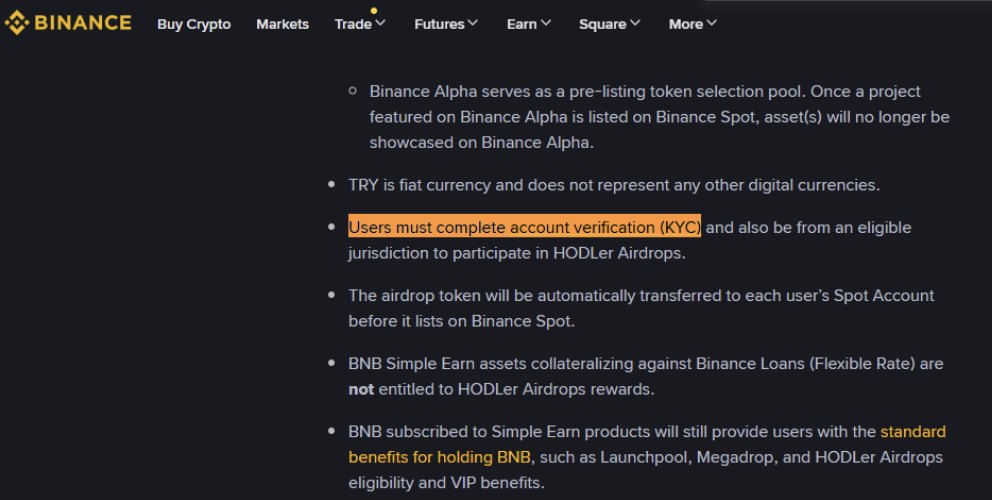
Binance Launchpad has been one of the most famous brands in the initial token offering. Its location within the Binance ecosystem enables it to impose stringent entry guidelines on projects and participants.
All investors are required to go through the entire KYC before entry. The latter need eliminates both allocations and spikes of demand. The screening of projects is done internally, and Binance focuses on long-term utility, clarity of token distribution and regulatory alignment.
Most of the tokens that are issued under Binance Launchpad have the advantage of having instant exchange liquidity and increased visibility in the market. This does not remove risk, but it removes uncertainties on execution and access.
Binance Launchpad continues to attract conservative early-stage investors who prefer structure over speed. Its strength lies in scale, enforcement, and post-launch stability rather than speculative upside alone.
Key features
- Mandatory KYC for all participants
- Multi-stage project due diligence
- Immediate exchange listing support
- Large global investor base
- Strong liquidity infrastructure
2. CoinList
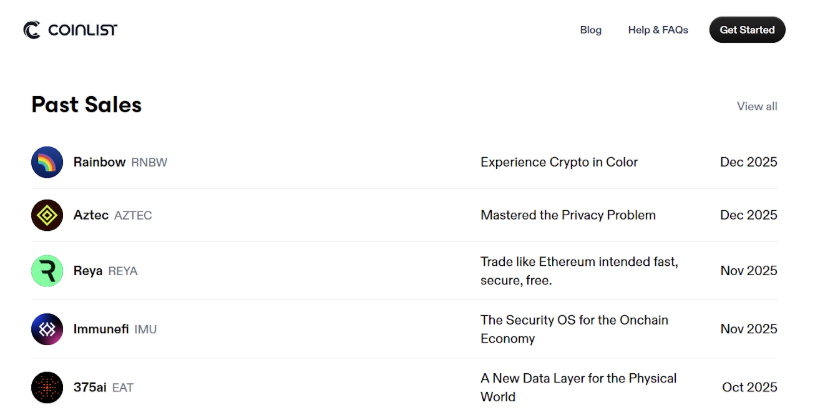
CoinList takes a more academic and compliance-driven approach to presales. Rather than focusing on short-term excitement, it prioritises projects building foundational blockchain infrastructure.
KYC and regional compliance checks are mandatory. Participation is often limited by jurisdiction, which frustrates some users but significantly reduces legal ambiguity. CoinList has hosted early sales for several well-known blockchain networks, reinforcing its reputation for caution.
Investors might find CoinList’s process to be relatively slow and limiting, but CoinList provides more detail around token sales, including a disclosure of how tokens will be distributed, when those tokens will become available to the investors, and how those tokens will be governed. CoinList is targeted for long-term investors. It sacrifices immediate transaction activity for greater transparency and adherence to regulation.
Key features
- Strict KYC and geographic controls
- Emphasis on infrastructure-level projects
- Transparent token allocation rules
- Strong legal oversight
- History of credible network launches
3.Trustpad
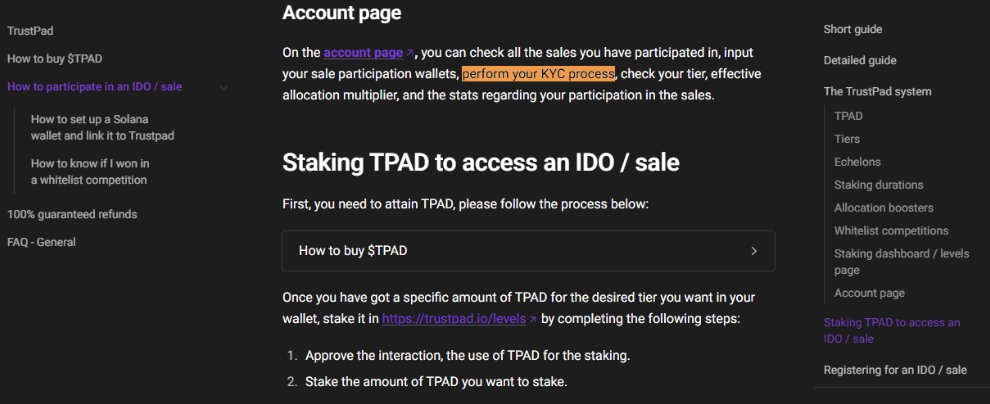
Trustpad is between highly controlled platforms and open presale platforms. It has various blockchains and provides tier-based distributions using the staking mode.
Not every pool has KYC, but many pools of higher value or priority have it.
To minimize manipulation, Trustpad conducts reviews of the projects and implements allocation rules. Its dynamism is a plus factor to any user who would desire exposure to other ecosystems without completely dropping protection.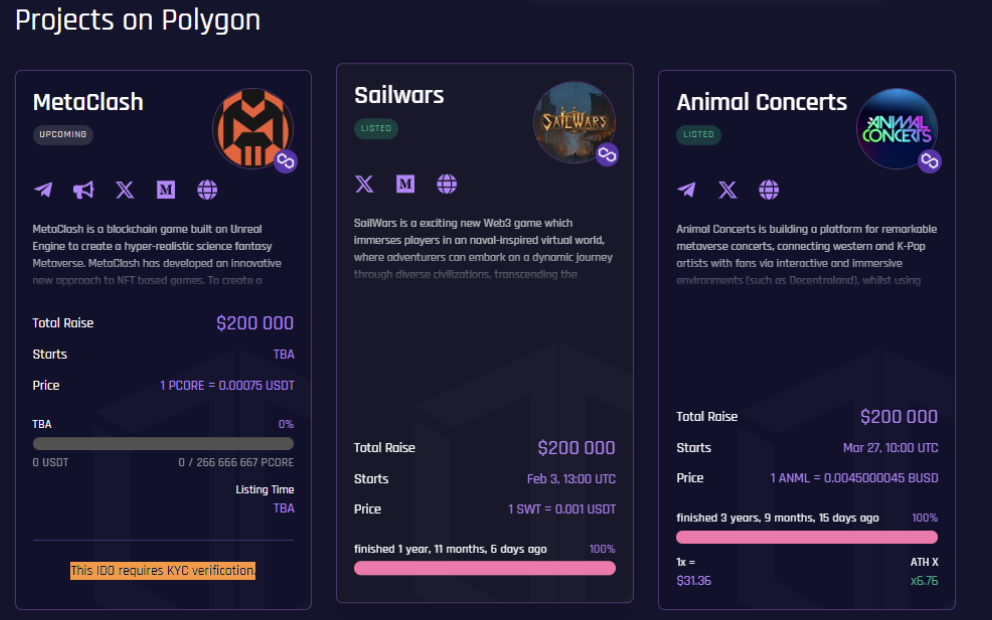
The Trustpad model represents an increasing trend in the crypto industry. Investors desire options, but not in total uncertainty. For individuals investing in multiple chains with moderate verification, Trustpad provides a substantial hedge along with complete opportunity and moderate verification through selective security measures.
Key features
- Multi-chain capabilities
- Staking allocations on a tiered basis with varying verification structures
- KYC Selection Enforced
- Emerging Markets Focus
- Accessible design across all platforms.
Why KYC Is Non-Negotiable For Presales?
The environment for presales within the cryptocurrency industry has changed significantly in recent months. What was once viewed as an option to undertake KYC (Know Your Customer) procedures when launching a token in a presale event is now a minimum requirement and considered a basic protective measure. In a recent report, it was mentioned that by the end of 2024, nearly 92% of all centralized exchanges had implemented KYC systems.
There was nothing coincidental about the rapid shift towards regulatory compliance. Since the end of 2018, worldwide regulators have continued to increase their level of enforcement activity.
In only the first half of 2024, enforcement actions related to AML (Anti-Money Laundering) and KYC (KYC) generated more than $1.23 billion in penalties (an increase of over 800% from 2018). Leading exchanges such as OKX suffered penalties exceeding $500 million for implementing inadequate KYC procedures when conducting their presale offerings.
When reviewing enforcement actions issued from 2019 through 2023, it was discovered that approximately 86% of all enforcement actions related to KYC failures could be directly traced back to KYC deficiencies (missing/weak controls).
This signals to the presales entrepreneurs that a failure to adequately implement KYC has the potential to lead to significant financial and legal liability.
How Does KYC Actually Protect Presale Participants?
Investors do not see KYC just as a way to comply with laws; rather, it is viewed as a tool for managing the risk of losing money through counterfeit projects and fraud. A 2025 study showed that the KYC process could yield a 38 percent reduction in the risk of falling victim to an act of cryptocurrency fraud. KYC processes have minimized scams, rug pulls, and fraudulent project teams.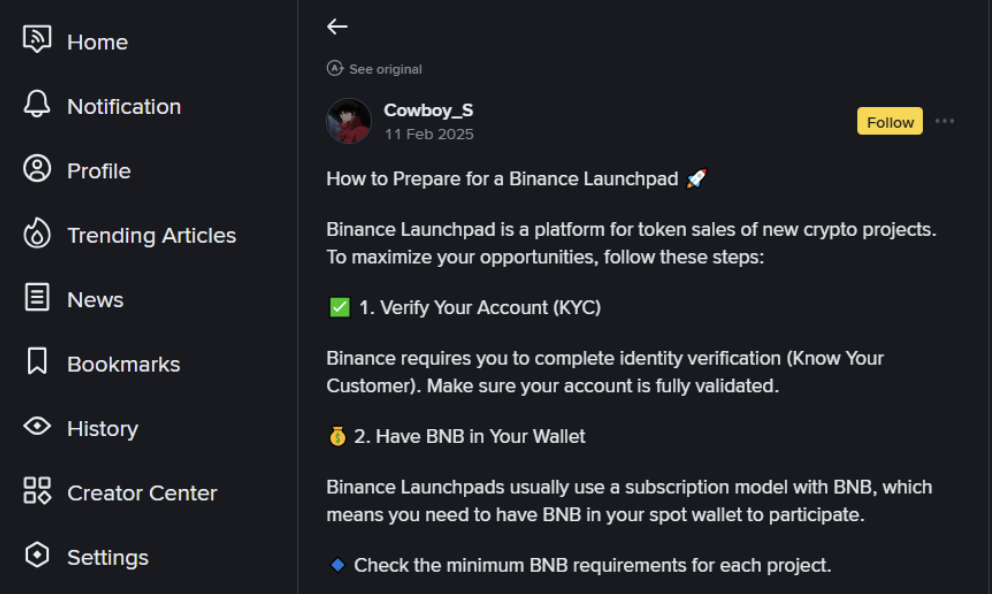
Unverified platforms were found to possess a ten-fold preference to promote illegal activity. When there happens to be actual money involved, such a difference becomes a big difference.
Investor preferences reflect this shift as well. Nearly 79 percent of crypto users now say they feel safer using platforms that follow KYC rules. Over time, KYC has become less about restriction and more about trust.
Why no KYC presales feel attractive but remain risky
No KYC presales appeal to investors for understandable reasons. They allow faster onboarding, fewer restrictions, and often lower minimum commitments. Privacy-focused users also prefer avoiding identity verification. The downside appears when accountability disappears. Anonymous teams can exit quickly, contracts can be altered, and community channels can vanish overnight. When that happens, there is rarely a recovery path.
Scams do not always look obvious. Many use polished websites, influencer promotions, and aggressive countdown timers. The absence of KYC removes one of the few friction points that force teams to commit to visibility.
In most cases, anonymity benefits project founders far more than investors.
Where Does Regulatory Clarity Actually Stand Today?
Global regulation has become far more direct. While nearly half of crypto platforms once failed to meet KYC standards, enforcement has reduced that number quickly.
In the European Union, MiCA regulations (effective 2025) require full KYC for presales. The United States treats many presales as securities, making KYC unavoidable under securities law. Singapore, Hong Kong, and the UAE also mandate identity verification for token sales.Even in developing markets, standards are tightening. FATF guidelines now focus strongly on crypto fundraising activities. Jurisdictions allowing no-KYC presales are shrinking fast and often face global scrutiny.
How Automation Is Making KYC Faster ?
Historically, speed was viewed as the biggest drawback to KYC, but that isn’t the case anymore. By the end of 2025, the average verification time for KYC dropped to roughly three and one-half minutes due to AI document checks, along with biometric verification.
The cost reduction was similar to that of speed; a manual KYC was roughly $4.20 per individual, while an automated system could cost only around $1.25 per individual. Despite this, 51 percent of users still report that the same delays frustrate them.
What successful presale companies are concentrating on in today’s marketplace is facilitating a smooth customer onboarding process, tracking the customer’s progress through the KYC procedure, and avoiding creating any significant interruptions that would cause the customer to drop out of the KYC process entirely.
The Emerging Middle Ground: Privacy-Preserving KYC
Technology is creating a middle path. Around 16 percent of advanced KYC systems now use zero-knowledge proof methods. These systems allow users to verify their identity without having to provide their personal data in its raw form.
Rather than storing physical documents, the identity verification is done through the use of cryptographic proof. Therefore, this method helps preserve investor privacy while allowing the project to be compliant with various regulations. This type of system is currently one of the more exciting areas of advancement in presale infrastructure.
When Is KYC Actually Mandatory?
At present, only a few small, isolated presales remain able to conduct business without KYC, and even then, that window is rapidly diminishing.
- Mandatory presales targeting institutions.
- Effectively mandatory presales in regulated jurisdictions.
- Mandatory presales for companies or tokens that wish to list on exchanges.
- Presales over $1 million will be strongly enforced.
- Increasingly, DeFi presales are being regulated.
Conclusion
The question is no longer whether KYC is mandatory, but whether a presale can survive without it. With 79 percent of crypto volume flowing through compliant platforms, no-KYC projects are excluding themselves from serious growth.
For investors, KYC is a signal of credibility. For projects, it is proof of long-term thinking. In today’s presale environment, KYC is no longer optional. It is expected.