CoinGape has been covering cryptocurrency and blockchain markets since 2017. Our editorial team evaluates projects and platforms using structured review frameworks focused on transparency, utility, and risk assessment. You can explore our review methodologies to see how we assess and rate different categories. We maintain clear editorial standards and disclose advertising or affiliate relationships where applicable.
Crypto cards are one of the most convenient ways to use digital assets in daily life. However, with dozens of options, each with different fees, rewards, and limitations, selecting the wrong card could result in unexpected upcharges, payment blockages, or even frozen funds. Choosing the right card is critical for both convenience and long-term financial efficiency.
This guide will teach the reader about the nature of crypto cards, how they are used behind the scenes, why it is critical to be cautious during the selection process, and the specific aspects that should be compared before choosing a card.
A crypto card is simply a payment card (usually Visa or Mastercard) that acts as a bridge between cryptocurrency and fiat currencies. The card does not charge you in cryptocurrency but rather converts your digital assets to fiat at the point of purchase. This allows you to spend cryptocurrency wherever traditional cards can be used.
The conversion takes place automatically at the time of checkout. When you swipe or tap the card, the provider sells a portion of your cryptocurrency, converts it to local currency, and transfers fiat to the merchant.
There are custodial cards, in which you leave your money in the hands of the provider, and non-custodial cards, in which you keep your money until the transaction is completed. Custodial models are simpler to implement but require trust in the service. Non-custodial models are more autonomous, but they may contain fewer features.
Learn More About : Custodial vs Non-Custodial Crypto Cards
When you make a purchase, the cryptocurrency you own is sold at either a spot rate (the current market rate) or an indicated rate (a marginally adjusted rate set by the card company).
A large percentage of issuers also charge a spread fee, which is a small percentage charged between the market rate and the conversion rate, increasing your spending costs. Even a minor transmission has a multiplier effect, particularly in those who use it frequently.
When you make a purchase, the cryptocurrency you own is sold at either a spot rate (the current market rate) or an indicated rate (a marginally adjusted rate set by the card company).

A large percentage of issuers also charge a spread fee, which is a small percentage charged between the market rate and the conversion rate, increasing your spending costs. Even a minor transmission has a multiplier effect, particularly in those who use it frequently.
An incorrect cryptocurrency card may cost more than many users anticipate. The charges may take the form of withdrawal fees, FX rates, spreads, and a monthly maintenance fee. Certain custodial cards allow funds to be staked or locked in for long-term commitments.
Security is also not uniform across providers. Others are insured, protected from fraud, and subject to work regulations; others are not. How you spend directly affects safety, liquidity, and overall spending costs.
Many users make decisions based on flashy marketing or high cashback offers. Common errors include:
This section outlines the main frameworks for determining which card best fits your budget, usage patterns, and technical preferences. The right choice is determined by a combination of fees, supported currencies, rewards, availability, and security.
Understanding the entire fee structure is essential. Issuance fee: Some cards are issued for a fee or with shipping fees.
Below is a sample comparison table:
| Card | FX Fee | ATM Fee | Annual Fee | Notes |
| Card A | 1.5% | 2% | $0 | Good for beginners |
| Card B | 0% | $3 per withdrawal | $99 | Strong rewards program |
| Card C | 2% | 1% | $0 | No staking required |

Most cards provide rewards in the form of cashback, loyalty points, or tokens. The vast majority of them operate on a tiered system, which means that more rewards must be stored or staked with a specific amount of the issuer’s token to receive higher rewards. Users will need to look for lock-in traps during the staking period, as well as potential token volatility. However, cashback might seem appealing at first, incentives tied to hypothetical assets pose a risk to other spending patterns.
The situation with cryptocurrency cards is highly conditional. Cards are issued in only a few regions, such as Europe, the United Kingdom, and the United States. Users frequently ignore country limitations, only to discover later that they are unable to proceed to KYC and obtain the card. There may also be regulations that limit the use of certain crypto features or access to global ATM networks.
It is essential to understand who owns your cryptocurrency. Custodials are responsible for storing your money on centralized platforms. This is convenient, but it involves a counterparty risk. Non-custodial models allow you to store assets in your personal wallet and convert them as needed, providing superior security but not always the same functionality.
There are providers who offer insurance on custodial accounts and those who do not cover hacking or insolvency. Users should confirm the security certifications and custody structures.
The majority of cryptocurrency cards are defined by Visa or MasterCard, which dictates how they are used. Visa has a wider global footprint, but Mastercard is gaining traction. Some cards support online transactions, while others prefer offline chip-and-pin, contactless, and even ATM withdrawals. These determine how easily the card can be integrated into daily spending.
Crypto cards differ not only by features, but also by user type. The purpose of selecting the appropriate category is to avoid unnecessary expenditure while sacrificing the use of essential functions.
Prepaid cards are ideally suited for beginners. They provide simple applications, major fiat currency support, and transparent fee structures. Even the infrequent users can go these cards as they don’t charge anything for inactivity.
Credit and debit cards offer robust cashback schemes, low conversion costs, and consistent spreads, which benefit frequent spenders. Users must evaluate the long-term viability of such cards, which may include token stake-based incentives, before finalizing the card.
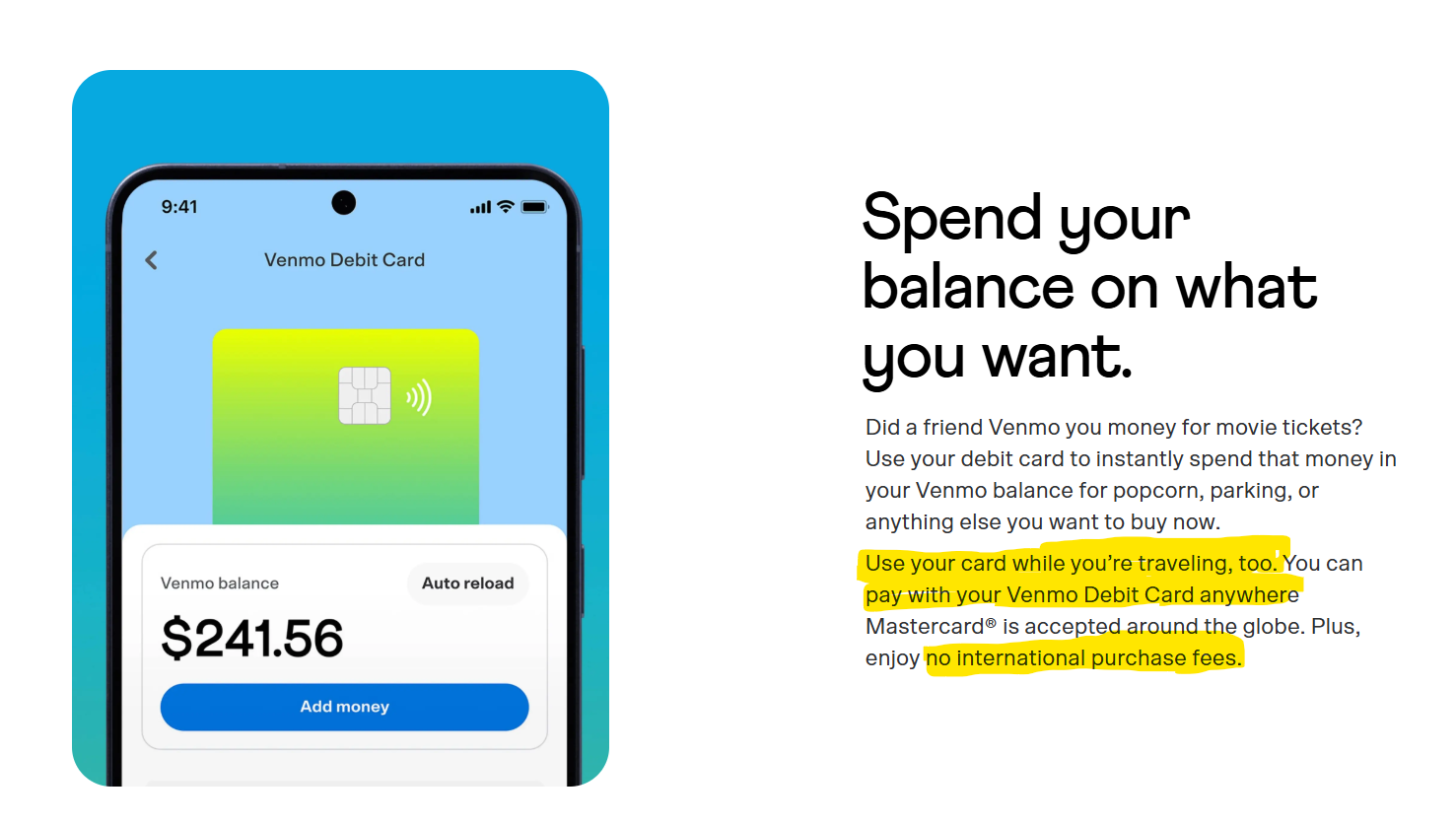
Individuals who travel extensively on a global scale will benefit the most. The best cards in this category offer low FX fees, competitive airport ATM fees, and global acceptance. Some provide travel-related benefits or unlimited international expenditure.
Advanced users require compatibility with a variety of tokens as well as integration with DeFi platforms. Stablecoin support, API connections, and staking benefits are all useful features. These cards are more adaptable and controllable, and they typically work in tandem with non-custodial models.
The comparison of crypto cards begins with identifying the type of card: credit, debit, or prepaid. These are the main card types that the platforms currently offer, though there are subcategories. Next, the most important factor is to see how many cryptocurrencies are supported by the card and understand the restrictions. For instance, using the card might appear limited if it only accepts a small number of coins. Fees, withdrawal costs, foreign exchange fees, and any additional costs associated with converting cryptocurrency to fiat money spread.
Another essential component of cryptocurrency cards is rewards. The range of reward options is extensive, ranging from cashbacks to OTT subscription rebates. Another feature important for comparison of crypto cards is staking, as with some popular cards such as the Crypto.com Visa card, staking unlocks rewards. Availability is another important feature for crypto cards, as restrictions on crypto also restrict the usage. Some other features include virtual cards, security options, customer support, review app quality, real-time updates, and others.
Crypto card regulations vary by country. Certain jurisdictions consider crypto-to-fiat conversion a financial service that must be licensed, while others place stricter restrictions on custodial models. Users are also required to understand the distinction between no-KYC and KYC cards. KYC cards offer greater regulatory protection but require identity verification. No-KYC cards provide privacy but have limited features such as reduced spending limits and ATM access.
Another important consideration is card issuer responsibility. In the event of a transaction problem or unintentional charges, the underlying issuer (rather than the crypto company) decides on the dispute procedure. Knowing that you have legal support can help you feel more secure.
Several jurisdictions consider every crypto spending transaction to be a taxable event because it involves the disposal of assets. Users may experience capital gains or losses as a result of price fluctuations between the time of acquisition and spending. Portfolio trackers and tax software are tools that have the potential to automate calculations and generate compliance-related reports.
To facilitate selection, here are simplified recommendations for various profiles:
Each crypto card is designed to meet the needs of a specific type of user, and no product is universally suitable. The right card can help you save a lot of money, earn valuable rewards, and make cryptocurrency payments easier. The incorrect card can silently drain funds through spreads, FX fees, and servicing costs.
Yes, some are issued without any cost but must fall within the category of the platform and must fulfill the predetermined requirements. However, some common expenses of the crypto cards include annual or monthly subscriptions based on features and the tiers of rewards.
Yes, most of them permit withdrawals from ATMs. Crucially, the card’s limitations and fees vary based on the location and supplier.
Yes, the credit score does get affected in case of late payment, as with any traditional credit card.
Yes, the credit score does get affected in case of late payment, as with any traditional credit card.
Yes, they have online payments and other contactless payments.
The user will suffer losses in case the provider shuts down.


 2M+ Monthly Readers
 50k+ Articles


 Buy $GGs