
 Buy $GGs
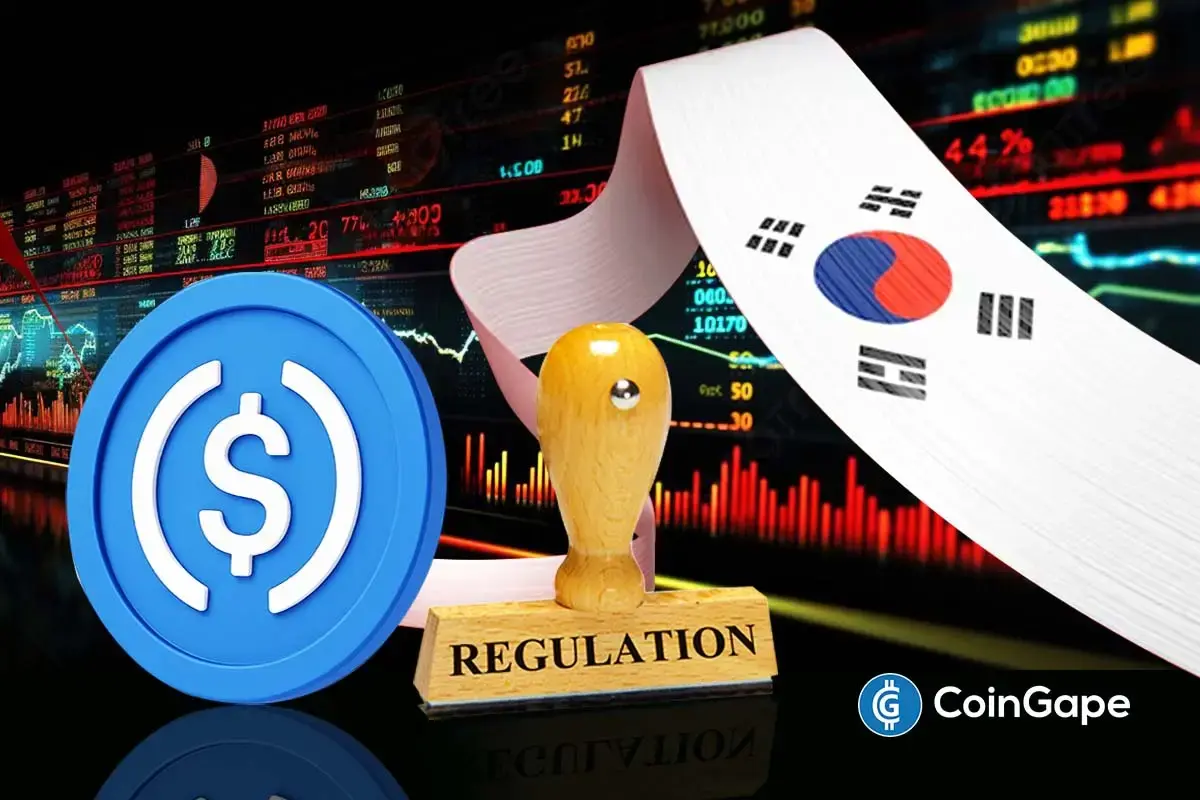
Crypto Regulation in South Korea Stalls as US-Inspired Stablecoin Rules Hits Dead End



Highlights
- South Korea’s crypto regulation bill has been delayed due to a new challenge.
- The slowdown stems from policy divisions over stablecoin regulation.
- Disagreements also persist over if a special licensing committee is needed for stablecoin issuers.
South Korea’s move to modernize its digital asset framework has hit a critical slowdown. There has been a division over how stablecoins should be regulated among policymakers. This has delayed progress and pushed the passage of crypto regulation into next year.
South Korea’s Crypto Regulation Bill Faces Delays
As reported by Yonhap News Agency, the Financial Services Commission (FSC) of the country has continued talks on forming rules regarding digital assets. One of its keen interests lies in investor protection concerning the current surge in stablecoins.
However, the issue of who should be allowed to issue stablecoins is still pending among the regulatory authorities. This is contributing to a slowdown in the drafting of the bill. The country seeks to follow suit in the footsteps of the US, who had passed its GENIUS Act earlier this year.
Behind this delay is an ongoing debate between FSC and the Bank of Korea (BOK) on stablecoin issuance models. Under the plan, stablecoin issuers must back their stablecoins with reserves held by qualified custodians, like banks.
The BOK believes that banks should be the only ones allowed to issue stablecoins as part of a group. They think that banks should own most of this group. Central bank officials say this is important for maintaining stable money and reducing financial risks.
On the other hand, the Financial Services Commission (FSC) has resisted strict rules on ownership. They argue that excluding non-bank tech companies from crypto regulations could limit competition and slow down innovation in digital payments. This is a major challenge in regulating crypto in South Korea
In June, the government signaled support for stablecoin use under the Digital Asset Basic Act before negotiations stalled.
Dispute on Oversight Adds to Policy Stalemate
Another issue left unresolved is whether a committee is needed that specializes in licensing issuers of stablecoins. The BOK favors establishing a special consultative body, but the FSC insists that administrative bodies are enough.
However, as the talks remain inconclusive, the ruling Democratic Party is now preparing their own integrated bill. This will merge several pieces of legislation, led by lawmakers, to end the impasse and ensure crypto regulations remain on the legislative rails.
In addition to stablecoins, the proposed law would improve compliance expectations in the crypto space. Digital asset service providers are expected to meet strict disclosure provisions and are to have enhanced customer protection regulations.
Specifically, the bill may also provide a second chance to domestic initial coin offerings (ICOs). ICOs had been banned in the country since 2017.
The slowdown comes despite the country showing signs of being more open to the crypto industry. In September, South Korea rescinded the ban that prohibited venture capital investment in crypto companies to allow these firms to apply for venture certification.
A month later, Binance completed its acquisition of Gopax, which saw the company officially return to the market after a several-year absence.
Play 10,000+ Casino Games at BC Game with Ease
- Instant Deposits And Withdrawals
- Crypto Casino And Sports Betting
- Exclusive Bonuses And Rewards



Why Trust CoinGape
CoinGape has covered the cryptocurrency industry since 2017, aiming to provide informative insights Read more… to our readers. Our journal analysts bring years of experience in market analysis and blockchain technology to ensure factual accuracy and balanced reporting. By following our Editorial Policy, our writers verify every source, fact-check each story, rely on reputable sources, and attribute quotes and media correctly. We also follow a rigorous Review Methodology when evaluating exchanges and tools. From emerging blockchain projects and coin launches to industry events and technical developments, we cover all facets of the digital asset space with unwavering commitment to timely, relevant information.

Delivered every day.
- Insights that move markets
- 100,000 active subscribers
Related Articles
- Senate Eyes CLARITY Act Markup This Month as Banks, Crypto Continue Stablecoin Yield Talks
- Why XRP Price Rising Today? (2 March)
- Breaking: Bitcoin Price Rises to $70k as Gold Crashes Amid U.S.-Iran Conflict
- Bitcoin News: Anthony Pompliano’s ProCap Buys 450 BTC, Gold Bug Peter Schiff Reacts
- Fed Rate Cuts More Likely If U.S.-Iran Conflict Extends, Arthur Hayes Predicts
- Top 5 Historical Reasons Dogecoin Price Is Not Rising
- Pi Coin Price Prediction for March 2026 Amid Network Upgrade, KYC Boost, Rewards Distribution
- Gold Price Nears ATH; Silver Eyes $100 Breakout on Us- Iran War
- Bitcoin And XRP Price As US Kills Iran Supreme Leader- Is A Crypto Crash Ahead?
- Gold Price Prediction 2026: Analysts Expect Gold to Reach $6,300 This Year
- Circle (CRCL) Stock Price Prediction as Today is the CLARITY Act Deadline