

 Buy $GGs
Top U.S. Banks Weigh Lawsuit Against OCC Over Crypto Firm Charters



Highlights
- JPMorgan, Goldman Sachs, and Citigroup, weigh lawsuit against OCC for easing crypto charters.
- BPI warns crypto trust charters for Circle and Ripple could raise systemic risk.
- State regulators say OCC plans for crypto and fintech licenses threatens financial stability.
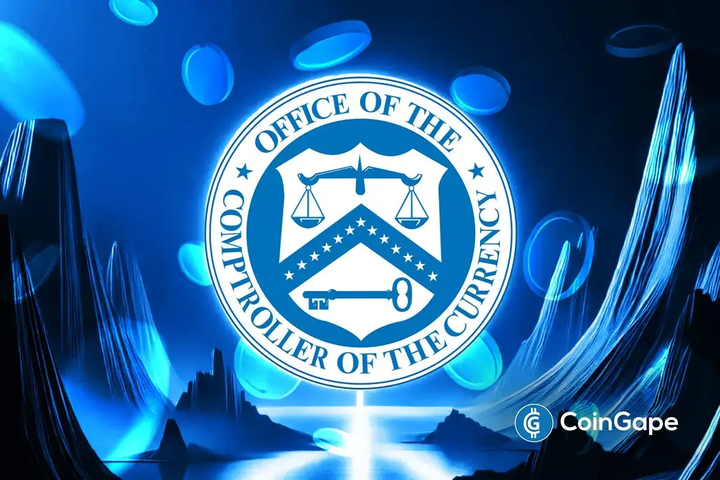
Major U.S. banks are weighing a lawsuit against the Office of the Comptroller of the Currency (OCC) over crypto firm charters. The Bank Policy Institute, representing JPMorgan, Goldman Sachs, and Citigroup, is reviewing legal options. Banks say the OCC ignored warnings over licensing changes for crypto and fintech firms.
U.S. Banks Challenge OCC
According to The Guardian, the dispute concerns the OCC’s decision to expand national trust bank charters for crypto and fintech firms. These charters allow companies to serve customers across all 50 states under federal oversight. However, U.S. banks argue that the structure grants approval without the same supervision required of traditional banks.
The Bank Policy Institute represents 40 major U.S. lenders. Its board includes JPMorgan CEO Jamie Dimon, Goldman Sachs chief David Solomon, and Bank of America CEO Brian Moynihan. The U.S. banks group is reviewing whether legal action could challenge the OCC’s interpretation of licensing rules.
Earlier concerns from the U.S. banking industry led to the dispute. In October, the BPI urged the OCC to reject charter applications from crypto firms Circle and Ripple. However, Ripple could gain access to U.S. banking since OCC expanded trust bank services. The group also opposed an application from London-based payments company Wise.
The BPI warned that lighter regulation could blur the legal boundary defining a bank. It also raised concerns that the policy could weaken existing bank oversight rules. Those warnings resurfaced as the OCC continued processing crypto charter requests.
OCC Grants Approvals to Crypto Firms
Despite criticism by U.S. banks, the OCC has continued granting approvals to digital asset companies. On Dec. 12, 2025, the regulator issued conditional charters to Ripple, Circle, BitGo, Fidelity Digital Assets, and Paxos. It is worth noting that it was the first time several crypto-native firms received approvals simultaneously.
The list of applicants expanded further in early 2026. Crypto.com received conditional approval on Feb. 23 to offer custody and staking services. Additionally, Morgan Stanley applied for a crypto-focused national trust bank with the OCC.
Meanwhile, financial technology company Revolut changed its U.S. strategy. On March 5, the firm dropped plans to acquire an American lender. Instead, it filed for a new banking charter application with the OCC and the Federal Deposit Insurance Corporation.
Industry Opposition Grows
Other banking groups have also criticized the OCC’s licensing approach. The American Bankers Association (ABA) intensified pressure earlier this year. In February, the group urged the OCC to pause charter approvals involving firms without deposit insurance.
The ABA asked regulators to confirm that resolution tools exist for uninsured national banks. Without such tools, the group warned, risks could increase. These concerns added pressure as more crypto firms sought federal charters. Despite this, the OCC is proposing a rule to implement the GENIUS Act.
State regulators have also raised objections. The Conference of State Bank Supervisors sent a letter criticizing the policy last month. The organization represents financial regulators from all 50 states. The Independent Community Bankers of America, representing about 5,000 institutions, urged the OCC to revise the charter framework.
Play 10,000+ Casino Games at BC Game with Ease
- Instant Deposits And Withdrawals
- Crypto Casino And Sports Betting
- Exclusive Bonuses And Rewards



Why Trust CoinGape
CoinGape has covered the cryptocurrency industry since 2017, aiming to provide informative insights Read more… to our readers. Our journal analysts bring years of experience in market analysis and blockchain technology to ensure factual accuracy and balanced reporting. By following our Editorial Policy, our writers verify every source, fact-check each story, rely on reputable sources, and attribute quotes and media correctly. We also follow a rigorous Review Methodology when evaluating exchanges and tools. From emerging blockchain projects and coin launches to industry events and technical developments, we cover all facets of the digital asset space with unwavering commitment to timely, relevant information.


Delivered every day.
- Insights that move markets
- 100,000 active subscribers
Related Articles




- Breaking: Oil Prices Climb as Iran Set To Deploy Mines at Strait of Hormuz
- Why Is Crypto Market Up Today? 5 Key Reasons Behind the Rally
- CLARITY Act: Key Democrat Says Banks May Have to Compromise as Senate Eyes Crypto Bill’s Markup
- XRP News: Brad Garlinghouse Predicts ‘Defining Year’ For Ripple With XRP At The Center
- Dogecoin Rockets as Elon Musk Confirms X Money Early Public Access Launch in April
- XRP Price Prediction as Goldman Sachs Becomes Biggest Holder of Ripple ETFs
- Circle (CRCL) Stock Price Prediction Ahead of CPI Data Release-Is 120 Next?
- Bitcoin Price Today: President Trump Signals Iran Conflict May End Soon As BTC Eyes $72k
- Top Analyst Explains Why Pi Network Price May Soar to $0.50 This Week
- Is MSTR Stock Going to Rally $150?
- Bitcoin And XRP Price Prediction As US Oil Prices Fall Sharply- Will This Spark a New Bull Rally?