CoinGape has been covering cryptocurrency and blockchain markets since 2017. Our editorial team evaluates projects and platforms using structured review frameworks focused on transparency, utility, and risk assessment. You can explore our review methodologies to see how we assess and rate different categories. We maintain clear editorial standards and disclose advertising or affiliate relationships where applicable.
The gaming industry is radically revolutionizing over the years, and with the embarkment of Web 3.0 Gaming Marketplaces, the world is witnessing a whole new gaming industry with booming opportunities. Web 3.0, the next generation of the internet, is already here and introducing decentralization and blockchain technology to the gaming.
Web 3.0 Games Marketplaces are basically the online platforms that leverage blockchain technology. It forms decentralized ecosystems for gamers, developers, and content creators. Unlike traditionally, the newly developed Web 3.0 platforms prioritize security, transparency, and ownership of in-game assets. Moreover, these web3 marketplaces are built on decentralized networks, allowing P2P (peer-to-peer) transactions without the need for intermediaries.

Players can gather, breed, and compete against virtual creatures called Axies on the blockchain-based game market called Axie Infinity. Due to its play-to-earn business strategy, where users may earn bitcoin by taking part in the game and exchanging Axies, it has experienced tremendous growth.

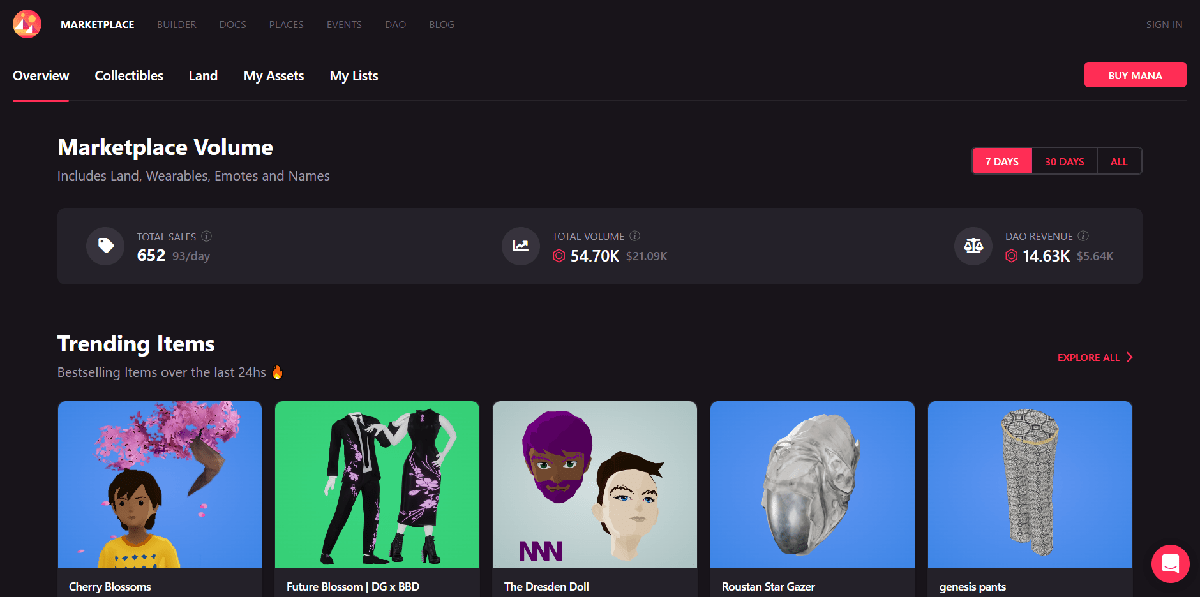
Blockchain technology powers the virtual reality platform known as Decentraland. The Web 3.0 gaming marketplace enables users to build, acquire, and profit from virtual properties and assets. Users can connect with other users, take part in different activities, and explore the decentralized virtual environment.
In the trading game Gods Unchained, players can gather, exchange, and engage in combat with rare and unique digital cards. The marketplace makes use of blockchain technology to guarantee that the cards are truly owned by the players and to let them participate in events and tournaments to win prizes.


AQUA is a Web3 gaming community marketplace with a player-centered focus today announced a partnership with Immutable X, a top blockchain platform that makes it easier for developers to build non-fungible token (NFT) projects. AQUA will aid Immutable’s catalogue of blockchain gaming partners in gaining traction and increasing exposure among larger gaming audiences.


The game genres available from UFO Gaming include esports and blockchain virtual reality. It has a virtual reality environment, P2P games, in-game NFTs, virtual land, and a Metaverse Launchpad that is perpetually in need of UFO tokens in the Metaverse version of it. The gaming environment on the UFO platform is a play-to-earn one.


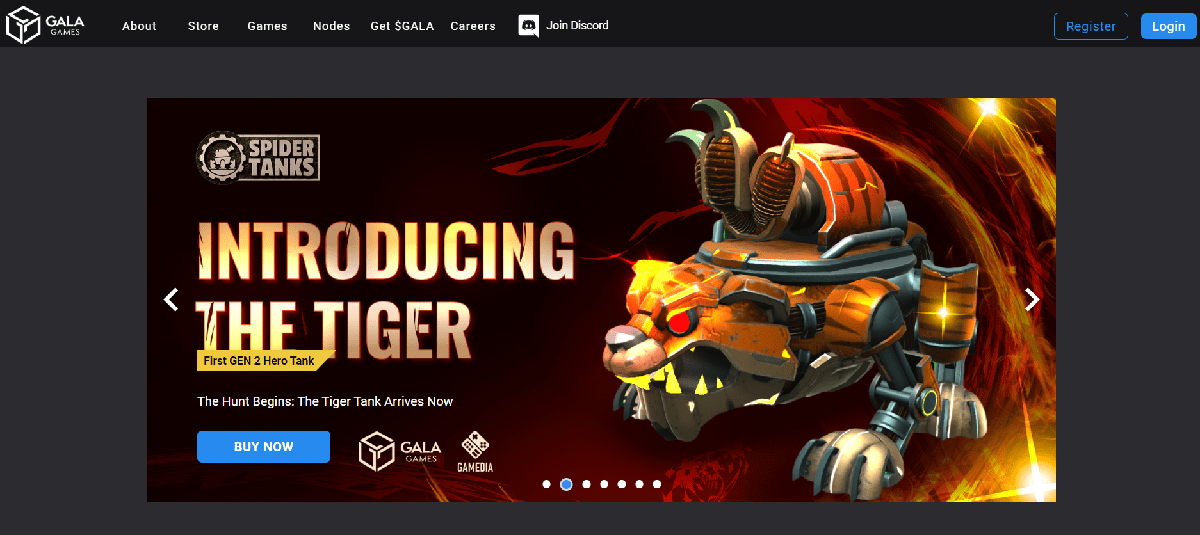
The Gala Games Network is supported by the player-owned node ecosystem. They are thought to use simple gaming concepts that anybody can enjoy, whether you are an expert in blockchain technology or not. Among the various games you can play as a player are Champion Arena, Fortitude, and other adventure pay-to-win games.
Instead of making games from scratch, Tezos gives creators the choice to make new games. Games like puzzles and trading card games are being modified to create web3 experiences. Additionally, Tezos is collaborating with Ubisoft Games to create cutting-edge web3 games. Additionally, a web3 environment full of unique digital apps may be advantageous to users and developers. NFT markets on Tezos are frequently accessible for artists and collectors to earn their priceless tokens.


These centralized systems allowed players to get their games straight from the publishers and download them. However, players’ ownership rights over their in-game possessions were constrained, and there were frequently exorbitant transaction costs.
Virtual economies began to grow inside these gaming settings as online multiplayer games grew in popularity. Players could trade, purchase, and sell virtual goods and money. The groundwork for more advanced gaming markets was therefore laid.
Blockchain technology was launched in Web 3.0, transforming the gaming sector. Decentralized ledgers were used by Web 3.0 gaming marketplaces, enabling actual ownership of digital assets and offering a secure environment for transactions.


 2M+ Monthly Readers
 50k+ Articles
 Buy $GGs