

 Buy $GGs

Quick Verdict
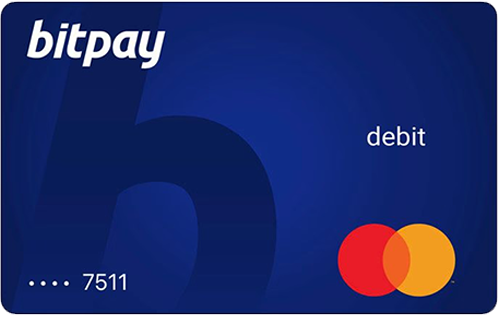
The BitPay Card is meant for those who want a straightforward process of converting cryptocurrencies to real-life expenses. It eliminates the concept of the interest rate, as it involves a prepaid debit card. It may not earn any interest or may charge fees for ATM and forex transactions, but this isn’t complicated. It could serve as a non-custodial wallet, and its wide acceptability makes it a very good option for cashing out cryptos. This won’t prove very helpful for the user looking for a cash-back or interest-bearing service.
Unlike crypto cards dependent on staking, lending, or collateralised loans, BitPay simply follows a prepaid model where crypto is converted to fiat upon point of sale. In practice, this minimises the risk exposure while necessarily introducing several trade-offs in the form of conversion spreads and exchange fees. In particular, for users seeking direct and immediate access to funds held in cryptocurrency, transparency, control over non-custodial wallets, and usability, all above and beyond incentives, form the underlying philosophies for such cards.
Ratings
Coingape’s Review on BitPay Card
Coingape tried the BitPay Card with practical application in setting up accounts, checking identity, live crypto-to-fiat transactions, and transactions with merchants in both national and international sites. Onboarding lasted a few minutes, and KYC requirements were in line with regional standards of compliance.
The conversion rates were reflected in real-time, and the applicable spread was displayed in a clear manner before confirmation of the transaction. The domestic expenditure was not charged with any additional fee, and international transactions always included an FX fee of approximately the quoted 1%. The ATM withdrawals were also done with reliability and had a fixed charge, which made continuous access to cash uneconomical.
Fees disclosed were checked against the official BitPay documentation and were tested with observed charges. There were no inactivity and maintenance charges imposed on the prepaid card.
- There will be no borrowing, leverage, or liquidation risk
- Non-custodial wallet model
- Annual or inactivity fees - No
- Transparent, real-time conversion pricing
- Broad Mastercard Acceptance
- No cashback or rewards
- FX and ATM fees; These services include the use of FX
- Requires pre-loading crypto
- No credit building and deferred payment terms
- It triggers a taxable disposal of cryptocurrency in certain countries
Security, Regulation & Trust Signals
- Regulatory status: Registered Money Services Business in relevant jurisdictions
- Custody model: Non-custodial (control of private keys is
- Card balance insurance Not applicable (Prepaid model)
- Operational Risk: The conversion is carried out through the Point of Sale
- Past incidents refers to events or experiences that an organization or project has had before a
- Company background: Founded in 2011, BitPay is one of the longest-running crypto payment services worldwide
It reduces counterparty risk, but the responsibility shifts to the user.
Conclusion
The BitPay Card, which positions itself as a spending-first solution, is a gateway to anywhere you can spend money with a Mastercard card, with no credit, borrowing, or complicated reward structure. Unlike other crypto cards that rely on staking, lending, or collateralized loans, BitPay uses a prepaid model in which cryptocurrency is converted to fiat at the point of sale.
Bitpay Card Alternatives

Did you find this review helpful?
Our Review Methodology
We review crypto cards using a consistent framework focused on real-world use, fees, risk, and usability. Here’s a quick look at how each card is evaluated before it’s ranked.
1. Real-World Testing
We review crypto cards based on how they behave once you actually start using them. This includes onboarding, spending, settlement speed, and how balances and rewards update in practice.
2. Fees & Terms Checked
Fees, limits, FX costs, and reward rules are verified using official issuer terms and fee schedules. Temporary promotions or targeted offers are not included in scores.
3. Risk & Reliability
We look at custody setup, issuer background, regulatory signals, and past operational issues to understand where user risk really sits.
4. Independent Scoring
All cards are scored using the same framework. Rankings are not pay-to-play, and commercial relationships do not influence ratings.


