 Buy $GGs
Pi Network News: Pi Team Freezes All Payments Following Multi-Million Token Theft



Highlights
- Pi Network has blocked wallet payment requests after a scam led to the theft of over 4.4 million Pi tokens.
- The attack was a social engineering scam, not a protocol breach, analysts say.
- Community moderators warned users to ignore unsolicited payment requests.
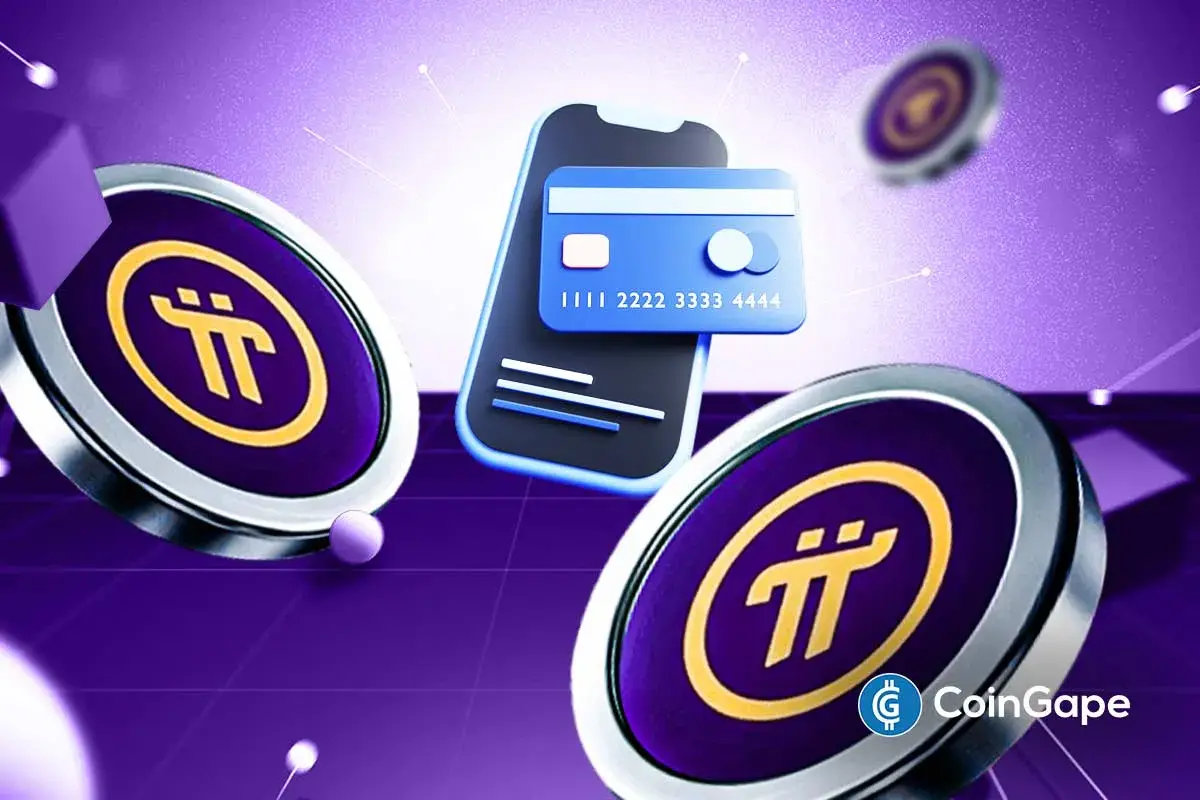
The Pi community has pointed out an operation of scamming that has caused innocent users to lose millions of tokens. Therefore, the Pi Network team has paused a vital function concerning payments in wallets.
Pi Network Freezes Payment Requests as Scam Escalates
The Pi team has temporarily disabled its wallet payment request functionality after scammers stole more than 4.4 million Pi tokens through a social engineering attack. According to reports, attackers exploited the transparent nature of blockchain technology to identify and target wallets with large amounts of tokens.
Next, they go ahead to send fake requests for payments to the user for his supposed authorization of transactions. Reports indicate that the transactions have been going from a single wallet address. The wallet is said to have been receiving between 700,000 to 800,000 Pi since July 2025.
Contrary to traditional hacks, this time there was no violation of protocol. Instead, this scam targeted user behavior. From observing wallet balances on the chain, a request for payment was sent to targeted individuals. With authorization received, the subsequent transfer was carried out instantly.
A community lead advised that users resist all kinds of unsolicited requests for payment, whether they seem to be coming from what they think of as familiar contacts or what they believe are official accounts.
Special announcement to all #Pioneers.
Stay alert.
Hello #Pioneers, Scammers can find your wallet address on the blockchain and clearly see how many Pi coins you have in your wallet. Once they know your Pi coin balance, they will send you a payment request. As soon as you click… pic.twitter.com/xhJPNCLH6M
— Pi Network Alerts (@PiNetworkAlerts) December 30, 2025
Data shared within the community by various blockchain trackers indicates a constant flow of funds into the scam wallet each month.
Here's how much the top Pi scammer is stealing per month
Payments to GCD3SZ3TFJAESWFZFROZZHNRM5KWFO25TVNR6EMLWNYL47V5A72HBWXP
2025-07: 877902.56
2025-08: 743046.69
2025-09: 757277.21
2025-10: 563096.74
2025-11: 622767.88
2025-12: 838110.68Total: 4402201.77
— r/PiNetwork (@PiNetworkUpdate) December 30, 2025
The dramatic December rise has raised speculations about the operation accelerating now that more people qualify to transfer funds. This circular behavior stinks of targeted behavior, not accidental success, analysts say.
There have been warnings about the fishy transactions taking place on wallets as well. Recently, even a Pi Network mod pointed out one address that had participated in scams involving account unlockings. He claimed that many wallets had been used to distribute the stolen money to make it hard to trace.
This is despite the fact that the team has constantly worked on implementing security upgrades. During March, for users migrating their balance to Mainnet, the platform implemented two-factor authentication.
Ongoing Development Despite Setbacks
This payment freeze comes despite recent progress for Pi Network. There have been updates by the team that have improved migration to Mainnet and verification processes prior to token unlocks that have been set to take place.
Pi has also introduced the use of AI into the KYC verification process, which has seen manual verification reduced by about 50% and helped more users qualify for the Mainnet in a faster manner.
Pi Node version 0.5.4 update has also seen improvements in the performance of the software on the desktop and resolved concerns about the accuracy of rewards on the node.
Play 10,000+ Casino Games at BC Game with Ease
- Instant Deposits And Withdrawals
- Crypto Casino And Sports Betting
- Exclusive Bonuses And Rewards



Why Trust CoinGape
CoinGape has covered the cryptocurrency industry since 2017, aiming to provide informative insights Read more… to our readers. Our journal analysts bring years of experience in market analysis and blockchain technology to ensure factual accuracy and balanced reporting. By following our Editorial Policy, our writers verify every source, fact-check each story, rely on reputable sources, and attribute quotes and media correctly. We also follow a rigorous Review Methodology when evaluating exchanges and tools. From emerging blockchain projects and coin launches to industry events and technical developments, we cover all facets of the digital asset space with unwavering commitment to timely, relevant information.


Delivered every day.
- Insights that move markets
- 100,000 active subscribers
Related Articles




- Crypto Market Bill Hits New Deadlock as Banks Reject White House Deal
- Why Experts Are Warning Bitcoin Rally Could Be A “Dead Cat Bounce”
- BTC and Gold Price Bounce as Trump Admin Brokers US-Venezuela 1000 Kg Gold Deal
- SEC Advances Major Crypto Securities Plan to White House for Approval
- Peter Brandt Flips Bullish, Predicts Bitcoin Rally As Price Holds Above $70k
- XRP Price As Bitcoin Reclaims $74K- Is $5 Next?
- Dogecoin Price Outlook as BTC Recovers Above $73,000
- XRP Price Prediction as Iran-U.S. Peace Talks Trigger a Crypto Rally
- COIN Stock Analysis as Bitcoin Retests $72k Ahead of February NFP Data
- Robinhood Stock Price Prediction As Cathie Wood Buys $12M Dip in Bold ARK Move
- Bitcoin Price At Risk? Professor Who Predicted US-Iran War Says America Could Lose