
 Buy $GGs
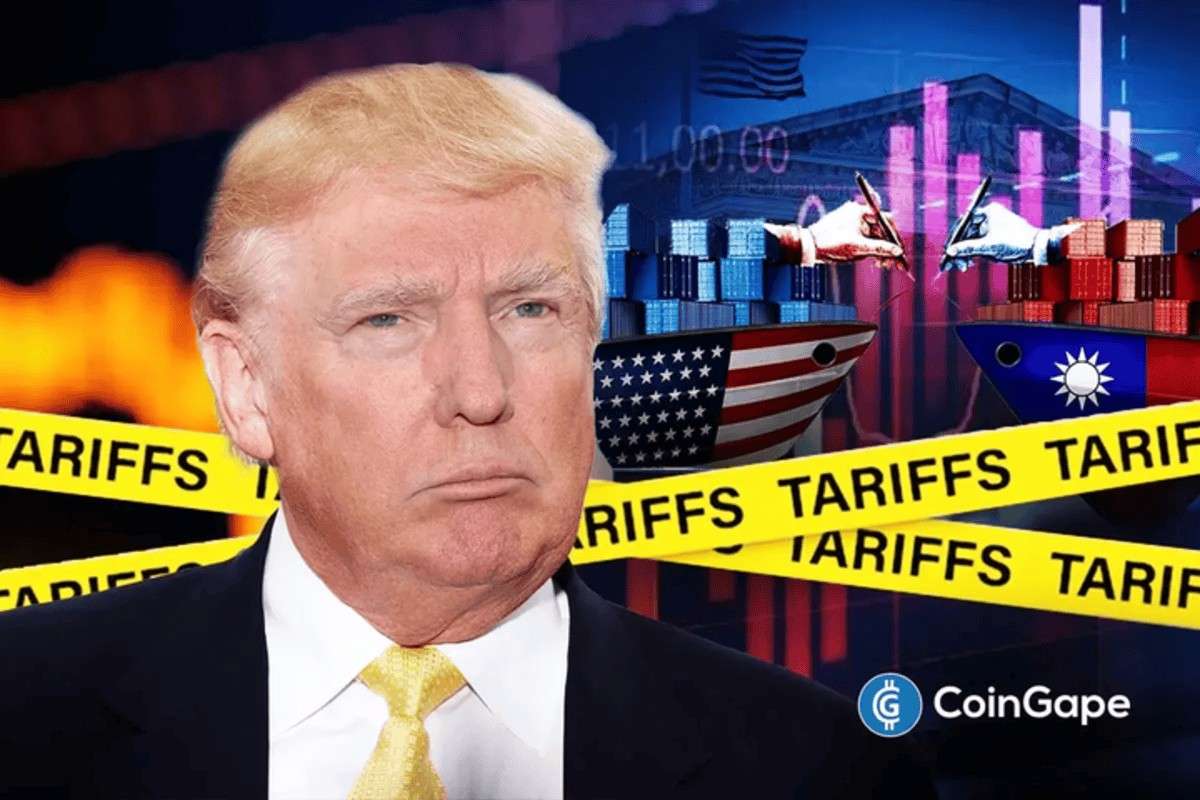
Trump Tariffs: U.S. Lower Tariffs On Taiwan to 15% Ahead Potential Supreme Court Ruling



Highlights
- U.S. cuts Taiwan tariffs to 15% as chip investment talks accelerate.
- Supreme Court delay adds uncertainty to Trump tariff authority and markets.
- Taiwan chip expansion boosts U.S. security and supply chain resilience.
Taiwan and United States have settled to decrease the U.S tariffs on Taiwanese products to 15%. The deal comes at a time when the Supreme Court withholds a decision defining the power that President Donald Trump has on levying tariffs.
Taiwan Reaches Deal With Trump To Cut Tariffs
According to Bloomberg, the deal will reduce the tariff that is currently at 20%. The new rate will put Taiwan on the same footing as its allies Japan and South Korea who managed to negotiate similar rates last year.
Other than tariff removal, the deal has several significant promises from the semiconductor industry in Taiwan. The investment of Taiwanese chip companies on U.S. activities would amount to approximately $500 billion for advanced production and increase supply chain.
Hence, the chipmaker will construct at least five additional fabrication plants in Arizona, which will give the company approximately a double of its manufacturing presence in the state.
What Are The Effects Of Trump Tariffs On Nationwide Security?
Taiwan is a global leader in the manufacture of high-level semiconductors employed in AI and defense industry as well as data centers. The rate of trade negotiations has been picking up after the broad tariffs implemented by Trump on several trading partners last year.
The Trump government presents the deal as a national security priority. The officials seek to decrease the U.S. dependency on foreign chip manufacturing in the face of increasing tensions of geopolitical scale.
The government has also indicated that it was ready to reduce rates in a tradeoff for strategic investments in the country. The time is significant because the Supreme Court could lower Trump’s tariff powers.
The judges once again refused to give a judgment on January 14, pushing the ruling to January 16. The case before the court revolves around whether the President Trump has the authority to impose tariffs based off emergency economic reasons. If the decision goes against the Trump administration, it may restrain future action of tariffs or require refunds.
Will Trump Tariffs Be Blocked By Supreme Court?
However, White House advisor Kevin Hassett referenced substitutes to tariffs in case of Supreme Court obstruction. The ruling to a wider risk sentiment in the equities, commodities or crypto markets.
There is anticipation that tariff clarity can affect inflation expectations and interest rate policy under the Trump regime. Over one third of Taiwan export is semiconductors. By lowering tariffs during the Trump administration, the U.S. can enjoy stronger industrial ties along with seamless trade flows
Play 10,000+ Casino Games at BC Game with Ease
- Instant Deposits And Withdrawals
- Crypto Casino And Sports Betting
- Exclusive Bonuses And Rewards



Why Trust CoinGape
CoinGape has covered the cryptocurrency industry since 2017, aiming to provide informative insights Read more… to our readers. Our journal analysts bring years of experience in market analysis and blockchain technology to ensure factual accuracy and balanced reporting. By following our Editorial Policy, our writers verify every source, fact-check each story, rely on reputable sources, and attribute quotes and media correctly. We also follow a rigorous Review Methodology when evaluating exchanges and tools. From emerging blockchain projects and coin launches to industry events and technical developments, we cover all facets of the digital asset space with unwavering commitment to timely, relevant information.

Delivered every day.
- Insights that move markets
- 100,000 active subscribers
Related Articles
- Breaking: Morgan Stanley Applies For Crypto-Focused National Trust Bank With OCC
- Ripple Could Gain Access to U.S. Banking System as OCC Expands Trust Bank Services
- $2T Barclays Explores Blockchain For Stablecoin Payments and Tokenized Deposits
- Breaking: U.S. PPI Inflation Rises To 2.9%, BTC Price Falls
- XRP News: Ripple-Backed Ctrl Alt Completes $280M in Diamond Tokenization on XRPL
- Top Analyst Predicts Pi Network Price Bottom, Flags Key Catalysts
- Will Ethereum Price Hold $1,900 Level After Five Weeks of $563M ETF Selling?
- Top 2 Price Predictions Ethereum and Solana Ahead of March 1 Clarity Act Stablecoin Deadline
- Pi Network Price Prediction Ahead of Protocol Upgrades Deadline on March 1
- XRP Price Outlook As Jane Street Lawsuit Sparks Shift in Morning Sell-Off Trend
- Dogecoin, Cardano, and Chainlink Price Prediction As Crypto Market Rebounds