
CoinGape has been covering cryptocurrency and blockchain markets since 2017. Our editorial team evaluates projects and platforms using structured review frameworks focused on transparency, utility, and risk assessment. You can explore our review methodologies to see how we assess and rate different categories. We maintain clear editorial standards and disclose advertising or affiliate relationships where applicable.
Stablecoins have become the backbone of crypto investing, as they combine fiat-level stability with blockchain speed. The sector has passed $300 billion in total value in 2026, driven by USDT, USDC, Athena USDe, DAI, and PYUSD.
They’re no longer just trading instruments; they are now used for remittances, payroll, especially in emerging markets, and easy access into DeFi. The real advantage? You can now make money with stablecoins without worrying about the volatility of BTC or ETH.
As high-risk DeFi fades, regulated platforms and RWA-backed products are emerging as the new standard. This offers low-volatility returns that outpace traditional savings by 5-10x.
Key Takeaways
This guide breaks down how to profit from stablecoins through proven paths like centralized interest accounts, DeFi lending, RWA yields, stablecoin yield farming, and liquidity pools. It will help you understand how to earn interest and high yields on stablecoins, and what platforms and methods you should choose.
| Method | Est. APY Range | Time Duration | Risk Level | Active/Passive | Best For | |
|---|---|---|---|---|---|---|
| 4-16% | Flexible/30-90 days | Low | Passive | Beginners seeking simplicity | Read More |
|
| 2-10% | Instant/flexible | Medium | Passive | DeFi users wanting liquidity | Read More |
|
| 4-8% | Ongoing | Low | Passive | Regulated, conservative yields | Read More |
|
| 5-15% | Variable | Medium-High | Semi-active | Farmers chasing incentives | Read More |
|
| 3-12% | Ongoing | Medium | Passive | Stable swaps with fees | Read More |
|
| 2-9% | Auto-compound | Medium | Passive | Hands-off optimization | Read More |
|
| 7-12% | Ongoing | Medium | Passive | Market-neutral hedging | Read More |
|
| 5-20% (temp) | 7-30 days | Low-Medium | Passive | Early token hunters | Read More |
|
| 0-10% + tokens | 7-30 days | Low-Medium | Passive | Early token hunters | Read More |
|
| 2-15% | Instant trades | Medium | Active | EM users with local access | Read More |
Stablecoins are cryptocurrencies pegged to assets like the U.S. dollar, allowing quick blockchain transfers without the price swings (allowing the stability of fiat). In the over $300 billion market today, they’re crucial for payments, trading, and earning without market swings.
1. Fiat-Backed: Backed 1:1 by cash or short-term equivalents, these are the most widely trusted stablecoins. USDT and USDC dominate this category with a combined market cap of around $260 billion market cap through transparency reports from issuers like Tether and Circle. This could be ideal for low-risk entry, although watch for regulatory scrutiny on reserves.
2. Crypto-Collateralized: These stablecoins are minted against assets like Ethereum (ETH), usually over-collateralized to stay stable. The leading cryptocurrency here is DAI with around $5 billion in supply. It offers decentralization and easy DeFi use. However, risks include liquidations during volatility, with yields of 3-5% via the DSR.
3. Algorithmic: Here, stability is controlled by supply adjustments instead of reserves. After the likes of Terra failed in 2022, adoption has faded. Despite their existence, depeg risk is high, and yields can swing from 0-10%, which often is unsustainable.
4. RWA-Backed Stablecoins: These cryptocurrencies are backed by tokenized real assets like U.S. Treasuries. Options like USDM (Mountain Protocol) and USDY (Ondo) deliver 4-5% yields. They are tied to T-bills and operate under Bermuda’s regulatory framework. This“compliant yield” category is growing very fast.
We evaluated more than 50 methods and strategies using CoinGape’s review methodology. We considered digital assets with a total value locked (TVL) of over $500B combined. We assessed audit ratings (CertiK, Quantstamp), user feedback on Trustpilot, and long-term yield performance. The curated list below highlights vetted, high-liquidity options with real APYs verified through DeFiLlama and official platform data.
Best for newbies locking cash for easy yields on Nexo.
Do you want to earn on stablecoins without touching DeFi? Deposit into centralized savings accounts, which are platforms that lend your USDT, share the interest, and earn a cut of lending fees, which are compounded daily. It works just like bank savings, but with 10x returns. Regulated CeFi players like Nexo Lead with EU licences, and over $1B+ in assets, favourable for safety even as DeFi hacks increase.
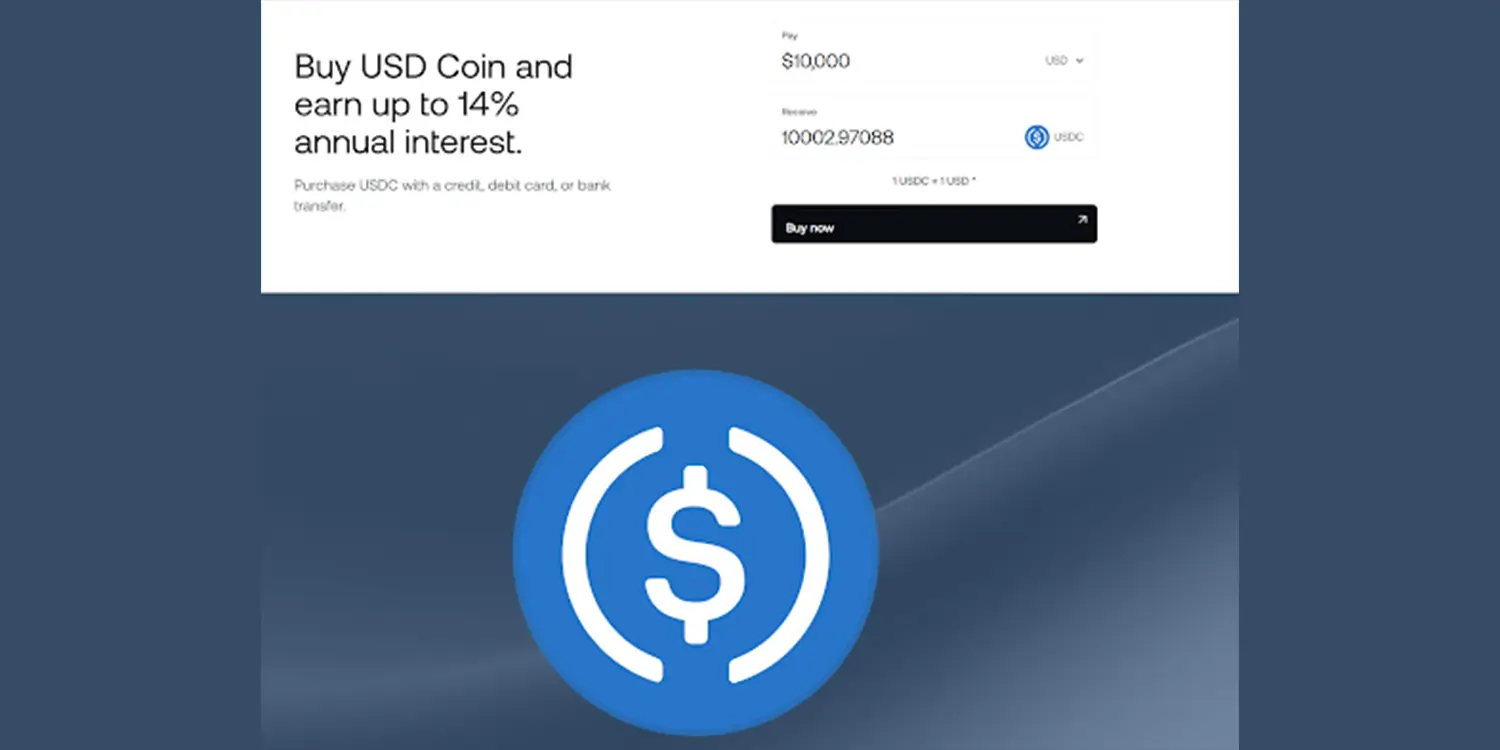 Use case: Suitable for short-term savings, with added protection through insurance-style coverage on fiat ramps (up to around $375,000). Data shows 80% of users stay long-term because withdrawals are instant—no lockups needed.
| Investment Required | $10+ |
| Expected APY | 8-16% (flexible) |
| Risk Level | Low |
| Best Stablecoins | USDT, USDC |
| Best Platforms | Nexo, Binance Earn |
Best for DeFi enthusiasts lending USDC liquid returns
On-chain lending lets you deposit stablecoins into decentralized protocols where borrowers pay interest. Connect your wallet, supply USDC or DAI, and your balance grows automatically. Aave V3 stands out in 2026, attributed to cross-chain liquidity and over $10 billion in pooled deposits.
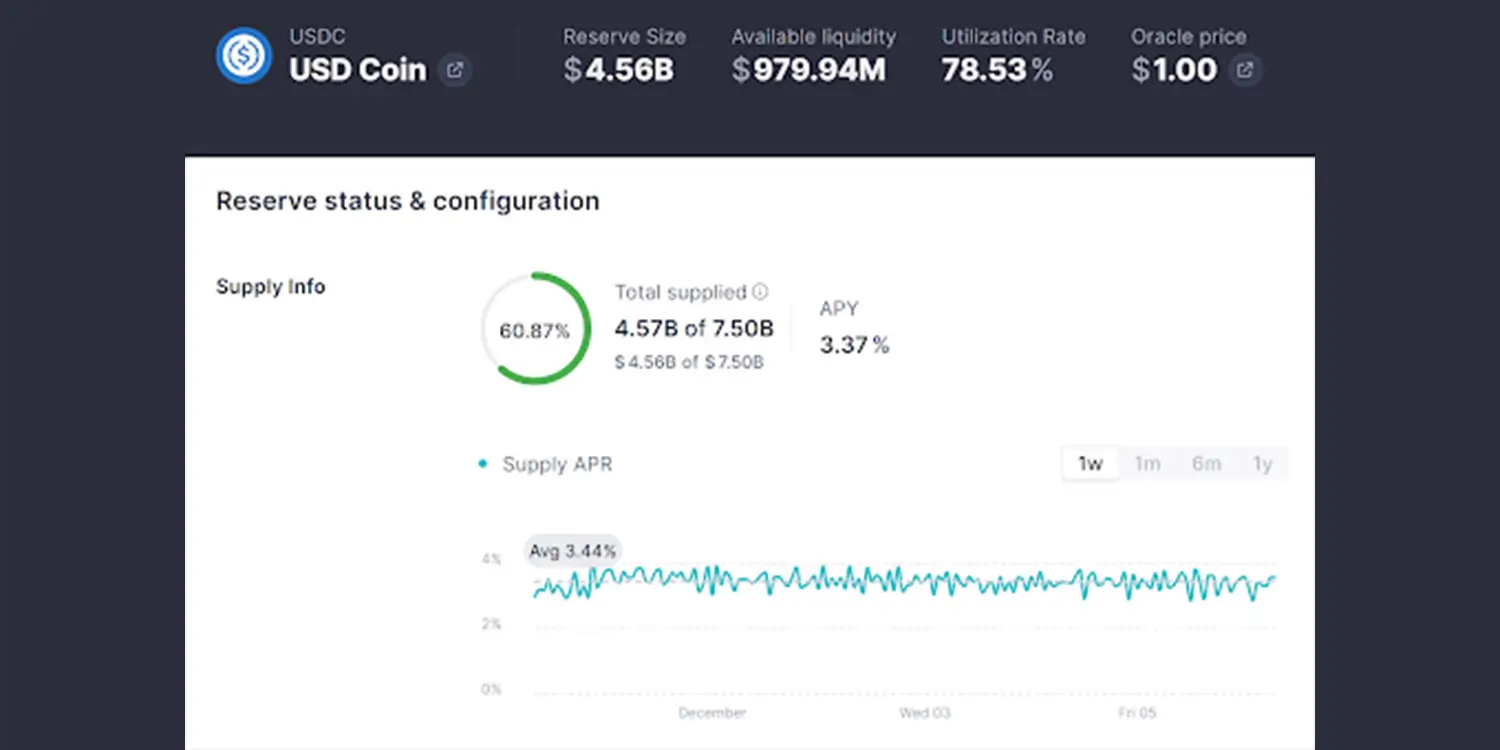
It’s transparent, audited about 20 times, and backed by over-collateralized loans to reduce risk. Aave’s USDC utilization hit 80% in Q4 2025, boosting APYs.
| Investment Required | $100+ |
| Expected APY | 2-10% |
| Risk Level | Medium |
| Best Stablecoins | USDC, DAI |
| Best Platforms | Aave, Compound |
Best for conservative investors chasing treasury-backed yields on Ondo.
You can profit from stablecoins by converting them into RWA tokens like USDY, which are backed by short-term U.S. Treasuries. You will be required to deposit USDC to receive USDY, and the asset auto-rebases as yield accrues. 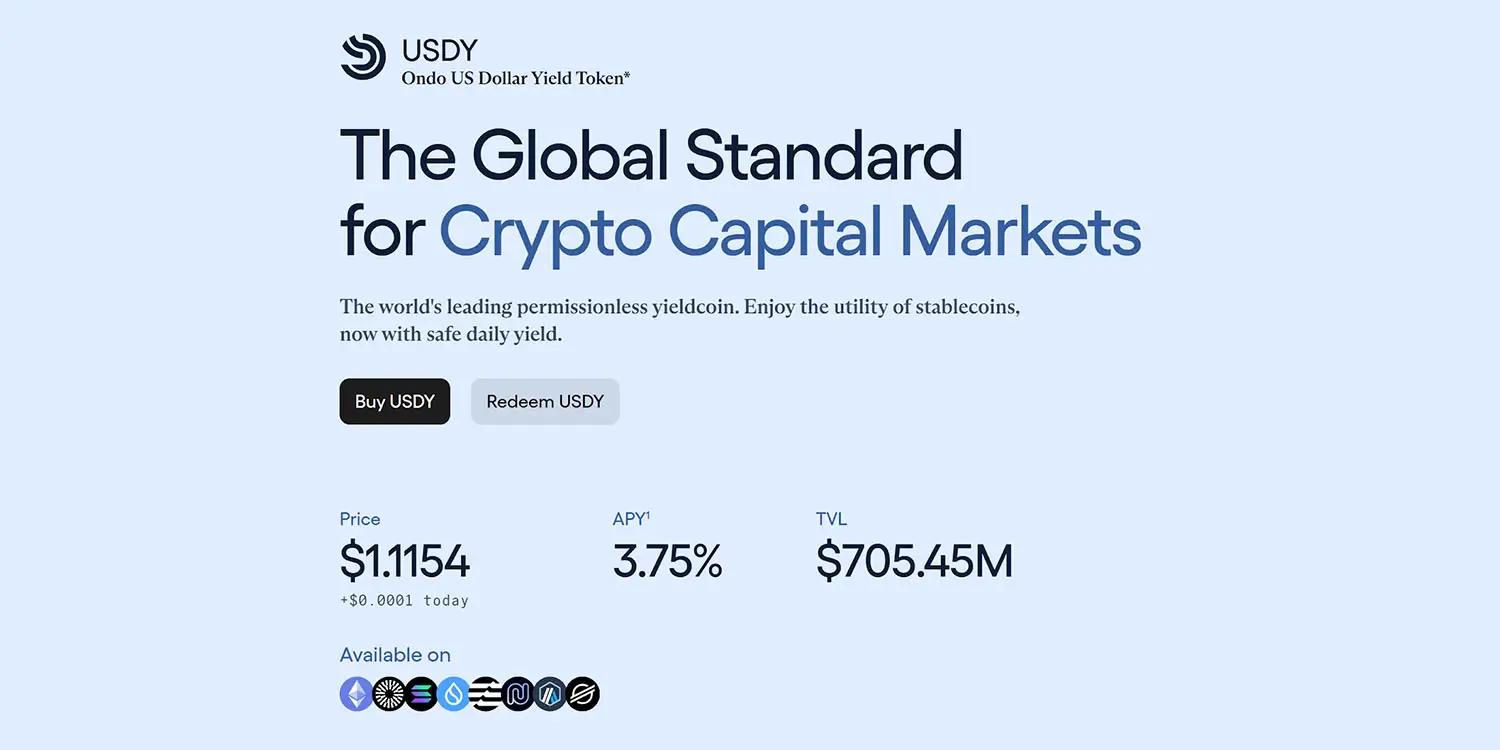
RWAs took off in 2026, reaching over $10B TVL as investors shifted to safer, regulated income streams. With regulated structures and daily attestation checks, platforms like Ondo offer institutional-grade exposure. Ondo’s $1.6B AUM and uninterrupted uptime reinforce trust.
| Investment Required | $100+ |
| Expected APY | 3-8% |
| Risk Level | Low |
| Best Stablecoins | USDC, USDT |
| Best Platforms | Ondo, Mountain (USDM) |
Suitable for investors looking to boost returns using reward-based farms like Curve.
You can also learn to make money with stablecoins through yield farming. This method lets you earn extra rewards on top of trading fees. When you deposit stablecoins into a farm, you will receive LP tokens, which you can stake to earn emissions such as CRV. The model grew rapidly in 2026, especially on Layer-2 networks, where fees dropped by nearly 90%. Curve alone now holds roughly $2.5 billion in stablecoin liquidity.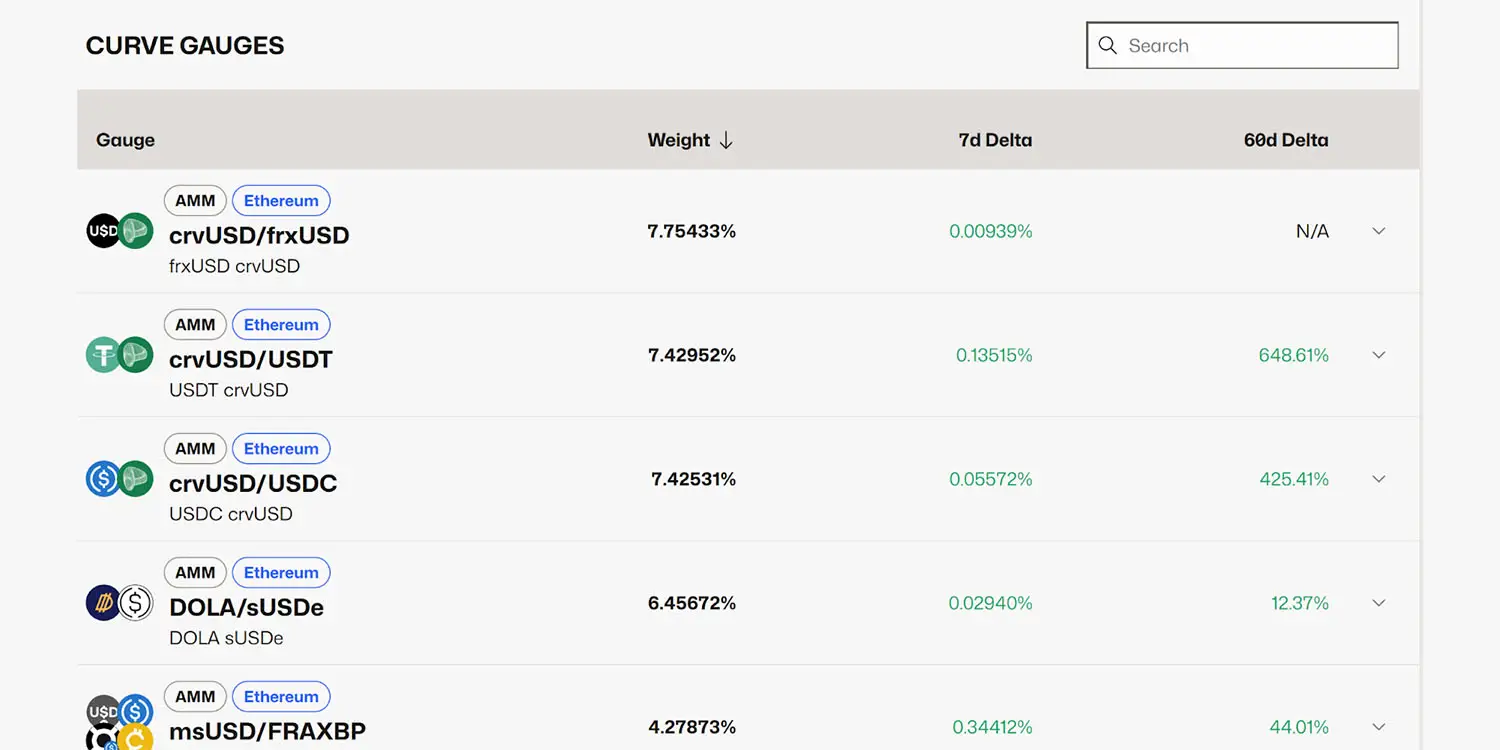
This decentralized approach is appealing if you are willing to take a bit of risk for a higher yield. Curve’s 5-15% returns can increase significantly when boost multipliers apply through veCRV voting.
| Investment Required | $500+ |
| Expected APY | 5-15% |
| Risk Level | Medium-High |
| Best Stablecoins | USDT, USDC |
| Best Platforms | Curve, PancakeSwap |
Also Read – List of Top Yield Farming Platforms
Best for passive liquidity providers who want predictable earnings on large trading pairs.
Here, you can earn by supplying liquidity to pools, where traders pay around a 0.3% fee that’s shared proportionally among liquidity providers. The process is simple: deposit equal amounts of stablecoins, receive an LP token, and if you wish, stake it to earn extra rewards. 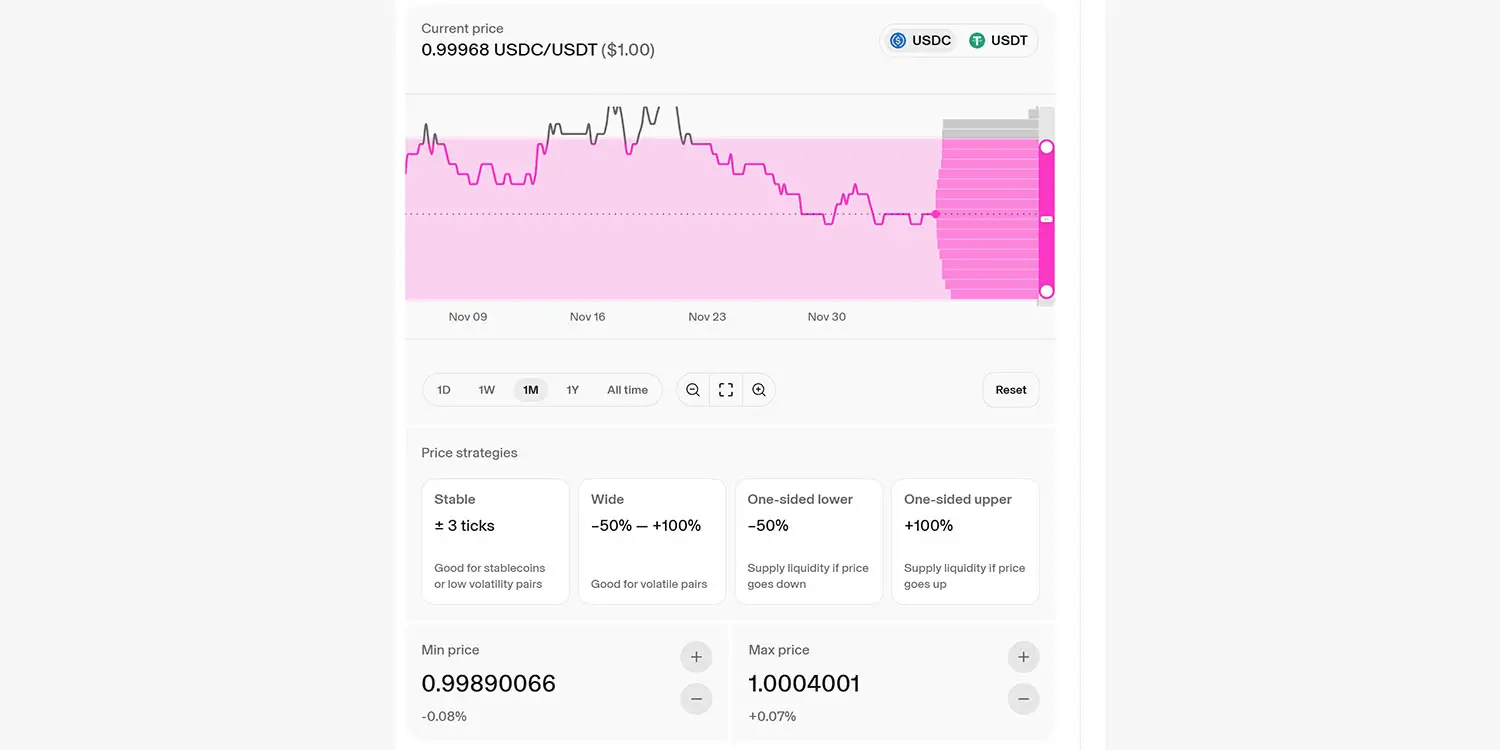
With Uniswap’s V3 concentrated liquidity in 2026, efficiency has jumped 400%, and total value locked (TVL) exceeds $2 billion. Fully decentralized and audited, the platform makes swapping easy. For example, the USDC/USDT pool can generate 3-12% yields, backed by $144 billion in trading volume in Q3.
| Investment Required | $200+ |
| Expected APY | 3-12% |
| Risk Level | Medium |
| Best Stablecoins | USDC/USDT |
| Best Platforms | Uniswap, Curve |
Suitable for lazy optimizers auto-farming on PlaYearn.
To start earning on stablecoins, deposit cryptocurrencies like USDC into a vault. The platform will automatically allocate funds to the highest-yield strategies, compounding returns hourly. Oracles guide strategy rotations, so your funds are always chasing the best opportunities.
Multi-chain vaults in 2026 are hitting up to 9% APY with over $7 billion in total value locked. Yearn’s USDC vault, for example, offers a base return of around 2.59% and automatically sells rewards for reinvestment. It is fully decentralised and audited across 15+ security checks.
| Investment Required | $50+ |
| Expected APY | 2-9% |
| Risk Level | Medium |
| Best Stablecoins | USDC, DAI |
| Best Platforms | Yearn, Beefy |
Suitable for hedgers farming funding
Another good way to earn interest from stablecoins is by staking synthetic stablecoins like USDe. You could earn yield from perpetual short positions that offset your collateral. This is a delta-neutral setup that keeps your peg stable while generating profits from funding rates. 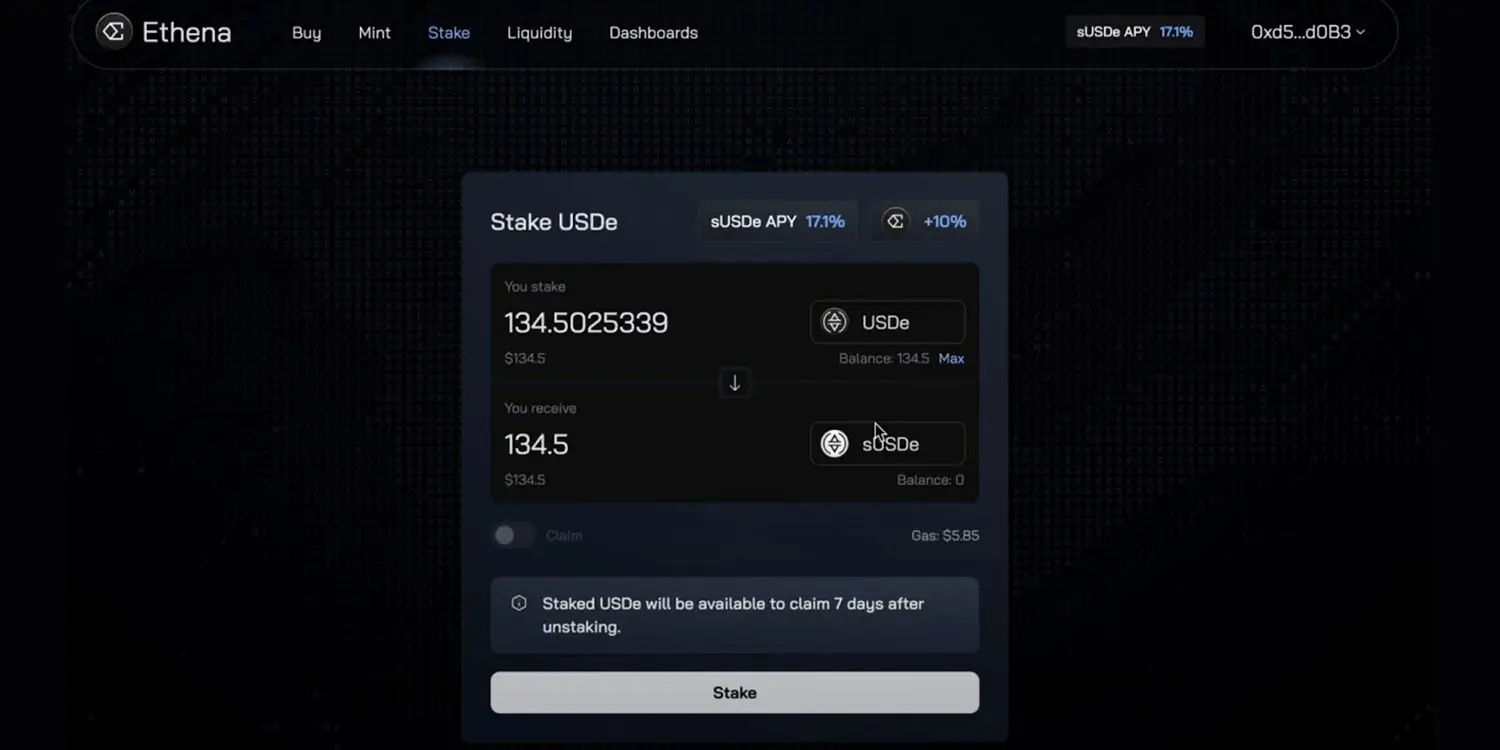
The supply in 2026 has reached $8.4 billion following the GENIUS Act. Fully decentralized and audited, these strategies are designed for market-neutral plays. For example, Ethena offers around 9% APY by combining stETH staking with shorts.
| Investment Required | $100+ |
| Expected APY | 7-12% |
| Risk Level | Medium |
| Best Stablecoins | USDe (USDC-backed) |
| Best Platforms | Ethena, Neutrl |
Best for investors looking to earn new project tokens by staking stablecoins.
FDUSD in participating pools and earn rewards based on the amount you stake. Over $3 billion has been committed across 60+ active projects. These programs run on centralized platforms, typically insured and designed to offer short-term promotional yields. 
A good example is Binance Launchpool, where users can earn between 5-20% APY for a limited time, with more than 550,000 people taking part.
| Investment Required | $10+ |
| Expected APY | 5-20% (temp) |
| Risk Level | USDT, FDUSD |
| Best Stablecoins | USDT, FDUSD |
| Best Platforms | Binance, KuCoin GemPooll |
Suitable for speculators grinding points
The idea to earn yield from stablecoins is straightforward, simply deposit crypto and farm points. These are later converted to tokens after launch. You can increasingly accumulate points by actively participating in testnets, providing liquidity or staking redeemable once a token launches. 
These point systems have become early indicators of token generation events (TGEs) in 2026, with more than $200 million distributed to early users. These are decentralized opportunities with low entry requirements.
A good example is Perena’s stablebank, through which users earn XP through lvlUSD, and the protocol currently has a cap of around $80 million.
| Investment Required | $50+ |
| Expected APY | 0-10% + tokens |
| Risk Level | Low |
| Best Stablecoins | USDC, lvlUSD |
| Best Platforms | Perena, Space |
Best for P2P traders in emerging markets who capitalise on price spreads.
Here you can buy stablecoins like USDT at a lower rate on P2P markets at 90 RUB, for instance. Then sell it at a higher spot value and keep the difference. The strategy works best when you monitor exchange rate gaps closely and move quickly.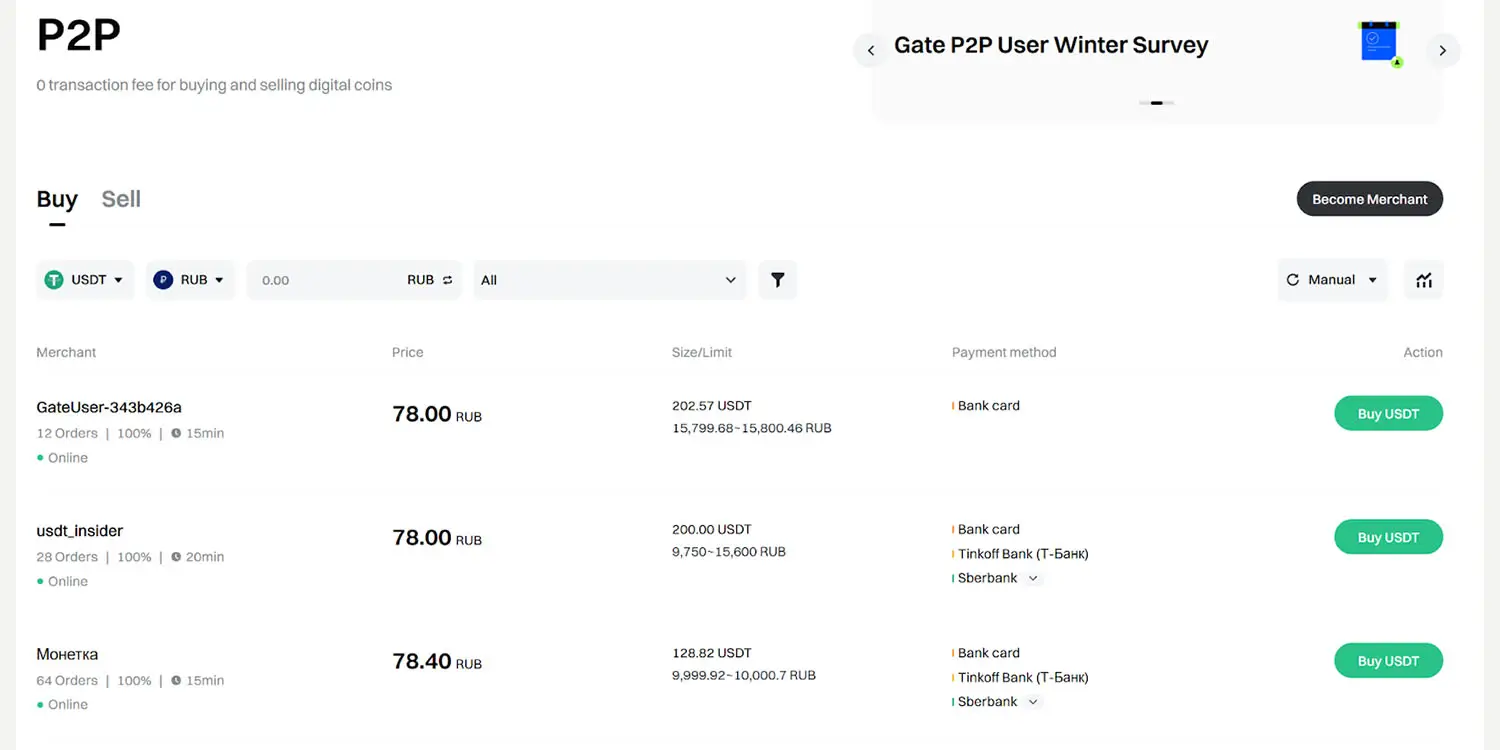
P2P volumes climbed to about $144 billion in Q3 alone, largely fueled by inflation-driven demand. The method relies on centralized P2P platforms and is compliant with KYC requirements. On Gate, margins typically range from 2–15% on trades of around $50,000.
| Investment Required | $500+ |
| Expected APY | 2-15% + tokens |
| Risk Level | Medium |
| Best Stablecoins | USDT |
| Best Platforms | Perena, Space |
Your choice depends on your risk appetite, time commitment, and long-term goals. With the right mix, stablecoins can generate anywhere from 4% to 16% annually, without sacrificing liquidity.
Stablecoin rates differ depending on platform demand and lock-in terms. CeFi platforms generally offer the highest fixed returns, while DeFi options provide more flexibility and long-term upside. The figures below reflect December 2025 snapshots and may change over time.
| Stablecoins | Binance | Crypto.com | Nexo | Aave (DeFi) |
| USDT | Flexible 10.4% | 1% flex | 16% | 4.34% |
| USDC | 4.1% | 0% flex | 14% | 3.36% |
| DAI | N/A | 5% | 14% | 3.71% |
| FDUSD | 5% | N/A | N/A | N/A |
| PYUSD | N/A | N/A | N/A | N/A |
Different platforms depend on the goal. For instance, while CeFi is strong on safety and access, DeFi stands out for flexibility and innovation. On the other hand, RWA platforms bridge traditional finance, offering stability through regulated yields.
CeFi platforms like Nexo and Binance offer you around 8-16% on major stablecoins. They claim to provide insured deposits and allow instant withdrawals. They’re easy to use and ideal for beginners who want dependable returns without managing wallets or on-chain interactions.
Aave and Compound deliver variable returns ranging from 2-10%. The DeFi platform sare backed by large liquidity pools and smart contract infrastructure. They could suit those comfortable operating with wallets like MetaMask and working directly on-chain.
Ondo and Mountain’s USDM earn around 4-5% through Treasury-backed assets, offering regulatory clarity and traditional-style safety. These RWA platforms suit users or institutions that want predictable returns with a formal compliance layer.
Safety comes first. DeFi still holds billions at risk, so spread funds across different methods rather than committing everything in one place. Here is a step-by-step guide on how to profit from stablecoins safely.
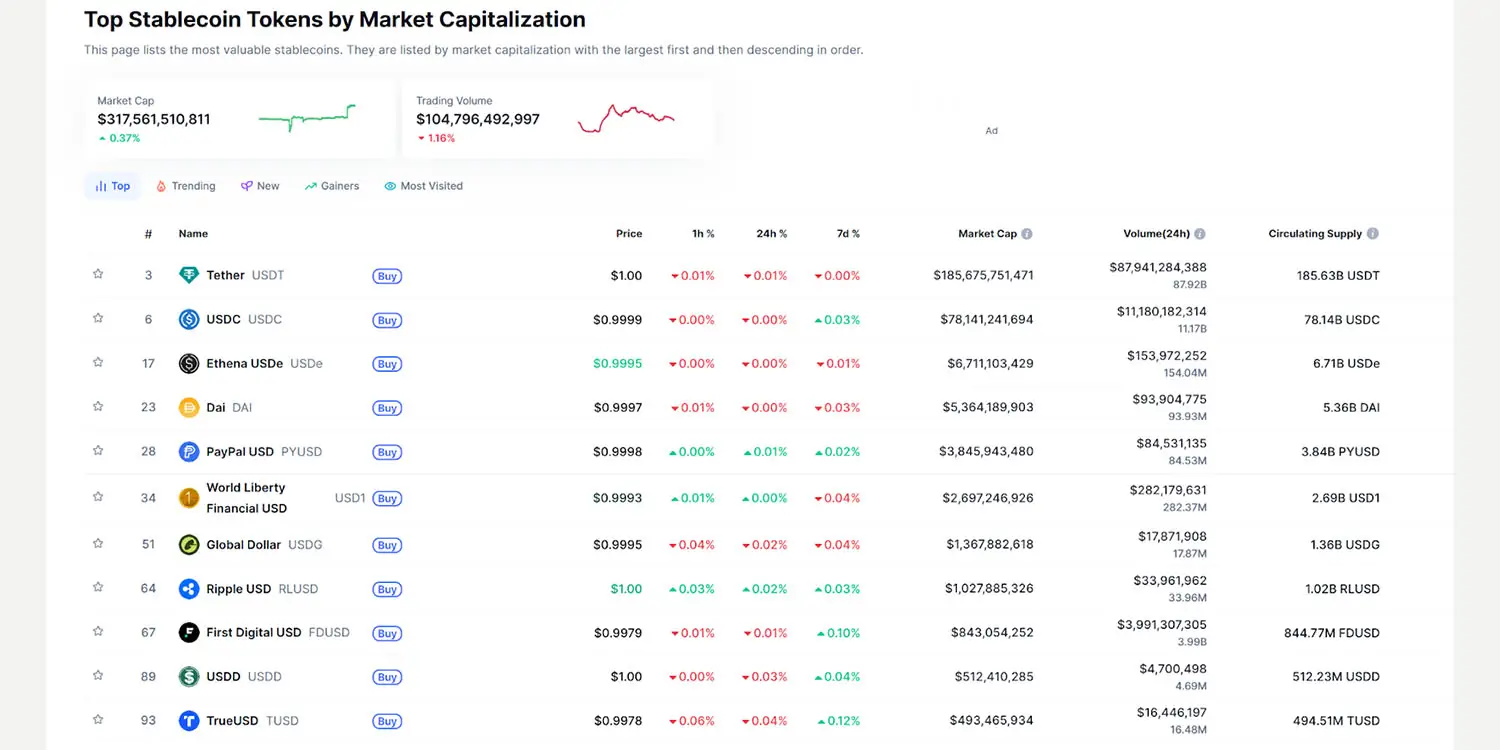
Stablecoins by Market Capitalization (Source: CoinMarketCap)
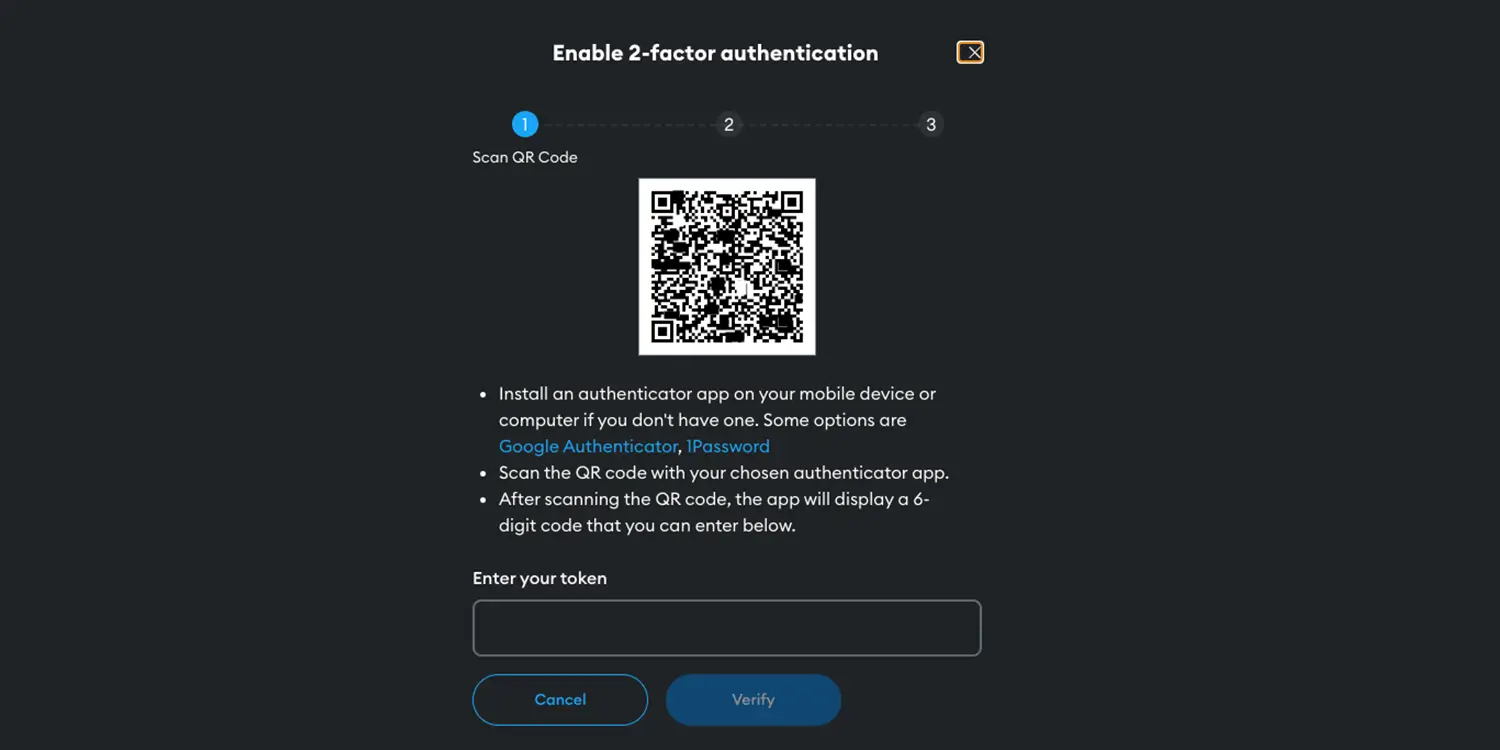
To determine which strategies actually work, CoinGape crypto experts evaluated more than 50 earning options. They ranked them based on total value locked, security standards, consistency of yields, user adoption, and regulatory readiness for 2026. We focused on platforms with over $1 billion in TVL, strong audit ratings such as CertiK A-scores, and verified user experiences gathered from sources like Trustpilot and Reddit.

2. Security Audits – 25%
Audits confirm smart contract security. We prioritized protocols with multiple CertiK A-rated reviews, following post-2025 standards like AICPA criteria for transparent code. This helps reduce vulnerabilities, since unaudited platforms have historically faced three times more breaches.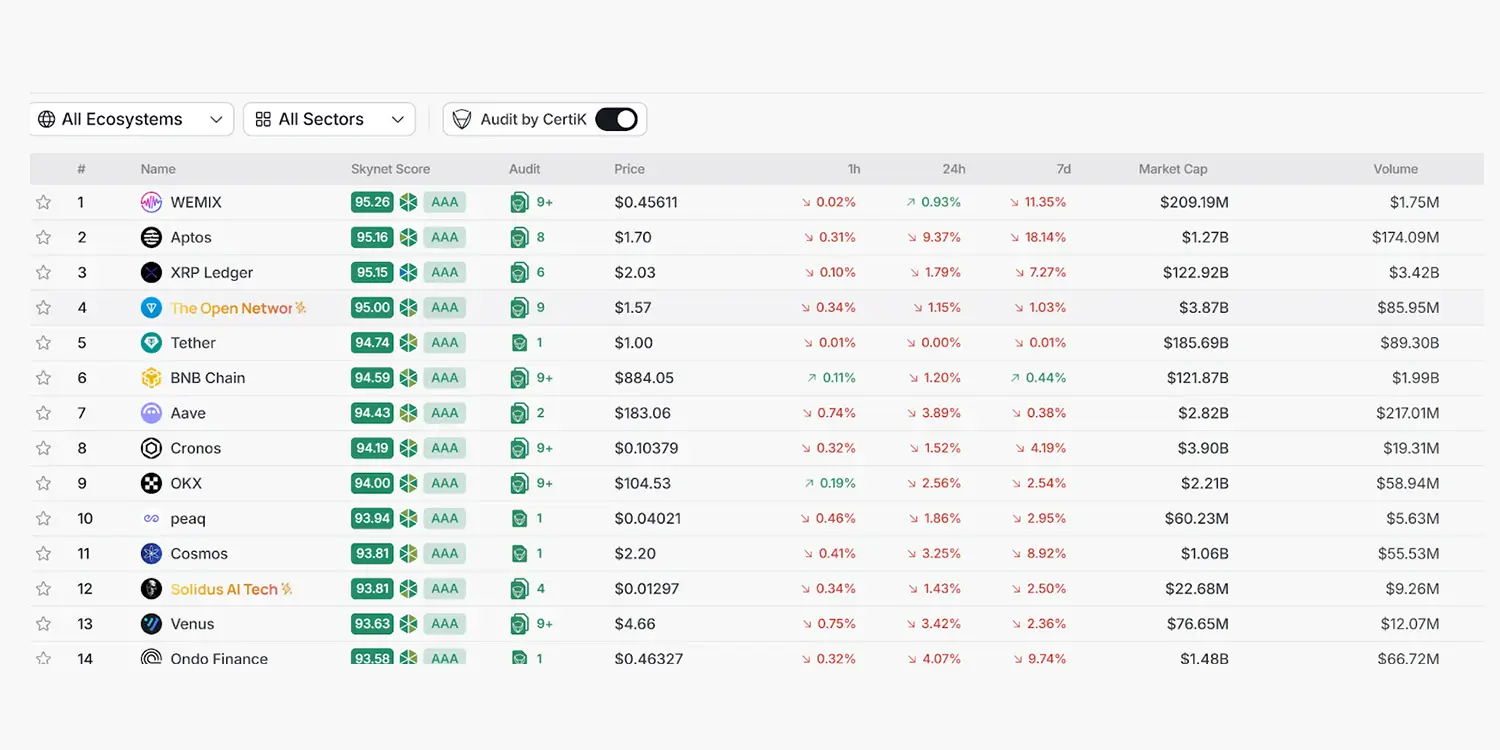
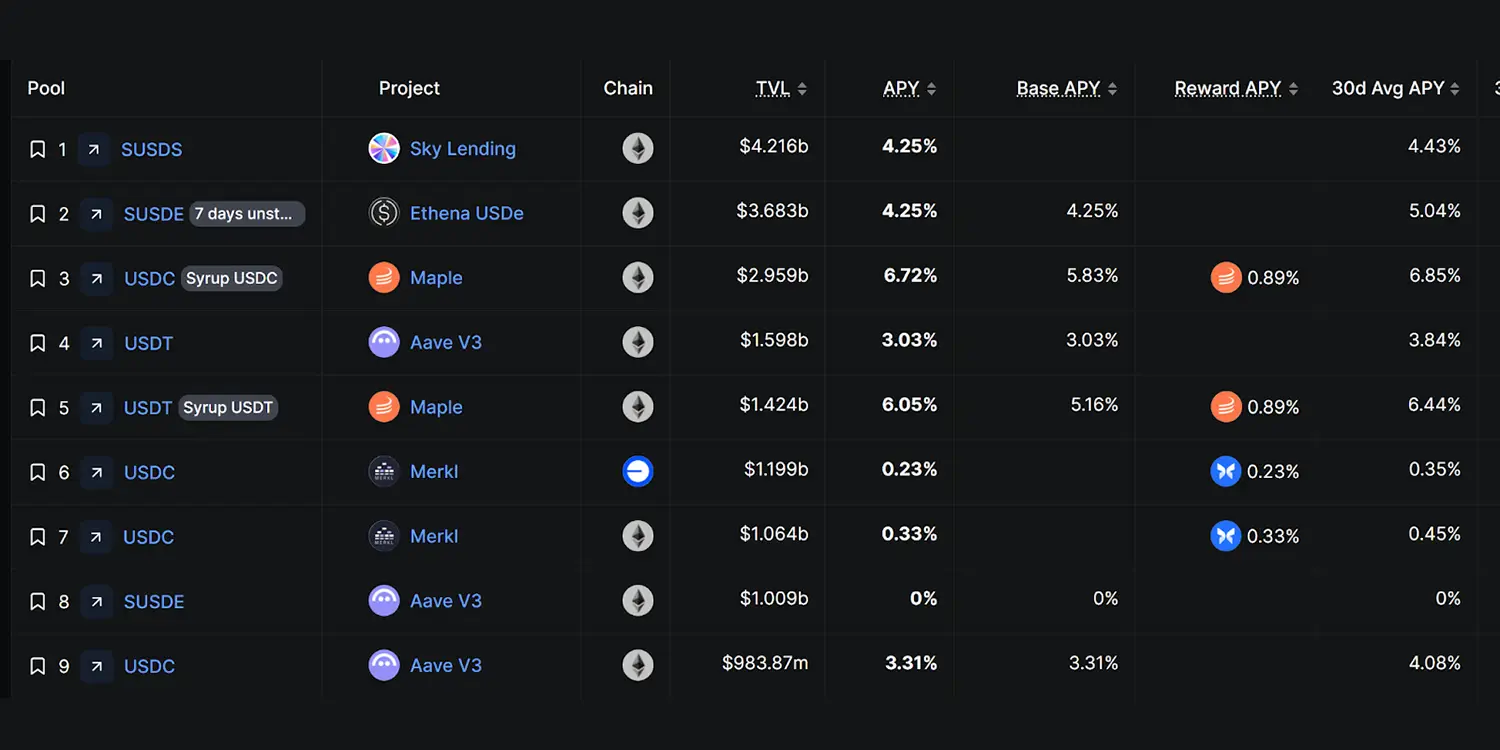
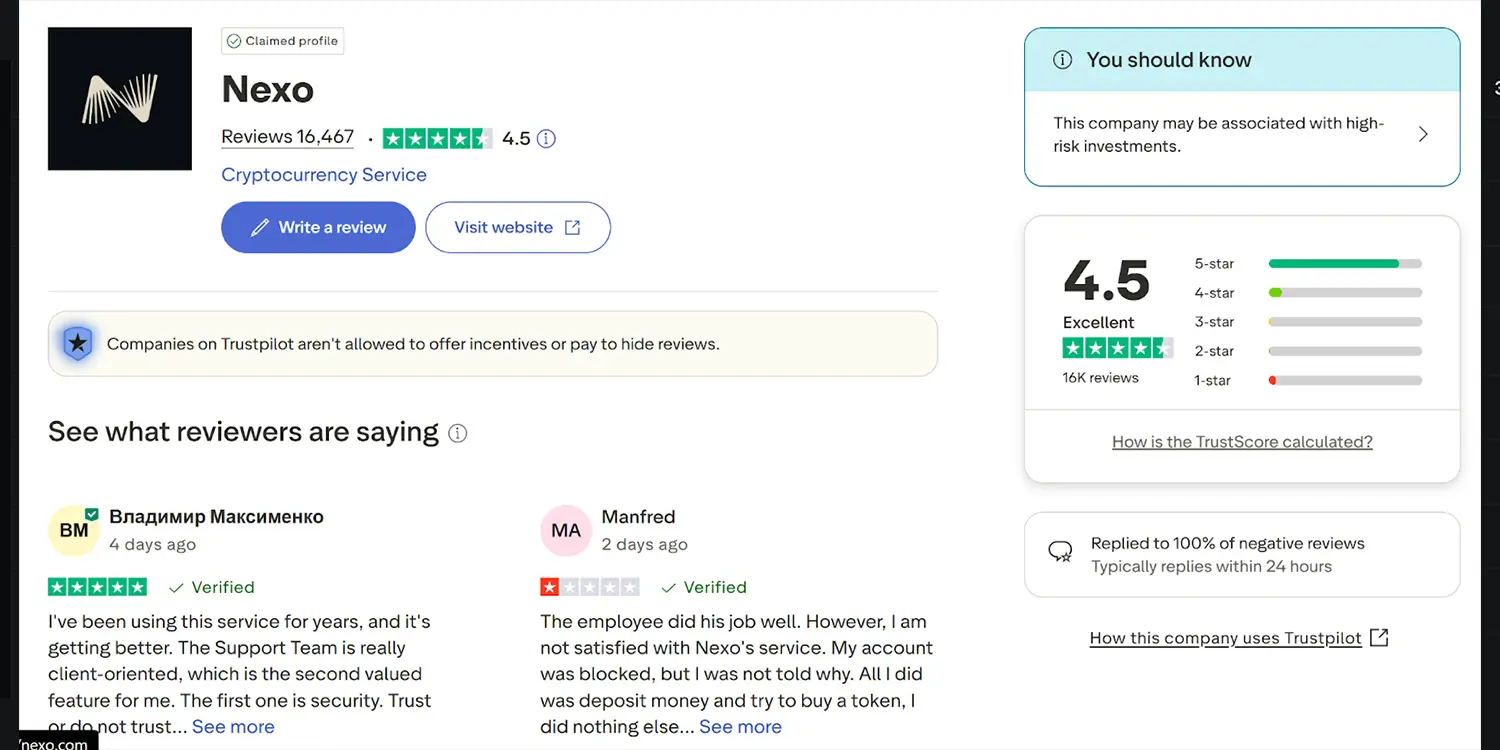
By weighing these factors, we highlighted strategies with over $1 billion TVL, strong audit scores, and verified user feedback, creating a trustworthy list for 2026 stablecoin investors.
High yields are tempting, but over $2 billion was lost to exploits in 2024 alone, so caution is essential. Always diversify and prefer insured or audited options.
1. Smart Contract Vulnerabilities – Code bugs can lead to drained funds. Even with multiple audits, like Aave’s 20 reviews, about 5% of DeFi hacks affect lenders. Stick to well-established platforms such as Compound.
2. Platform Insolvency or Freezes (CEX Risk) – Centralized platforms can freeze funds when a crisis occurs, as seen with Celsius in 2022. Go for insured platforms like Nexo, which offer over $100M coverage, instead of unbacked exchanges.
3. Stablecoin Depegging – Stablecoins can lose value temporarily, like when USDT fell 6% in 2022, and algorithmic coins risk 20%+ in losses. Safer choices include fiat-backed or RWA stablecoins like USDC.
4. Impermanent Loss in Liquidity Pools – Stable pairs usually keep impermanent loss below 1%, but sudden depegging can increase it. Losses have been historically capped at around 0.5%.
5. Regulatory Intervention and KYC Requirements – Laws like the GENIUS Act provide clarity, but Know Your Customer (KYC) requirements on CeFi platforms add steps. DeFi avoids KYC but faces bans in roughly 10% of countries.
Your strategy on how to make money with stablecoins should match your goals and risk tolerance. If you are a low-risk investor, you can earn around 4-8% through RWAs like Ondo. On the other hand, yield chasers might target 10-15% via DeFi farms, keeping an eye on impermanent loss.
If you choose to be a passive earner instead, you can benefit from auto-compounding vaults like Yearn. Returns grow with investment, $10,000 at 8% will earn you around $800 annually. Safety should always be your priority, with audit checks and diversification across various methods.
Also, rely on transparent, on-chain proofs. Responsible stablecoin investing isn’t just smart, it gives you an advantage over traditional banks.
1. https://coinmarketcap.com/view/stablecoin/
3. https://coingape.com/ways-to-earn-passive-income-crypto/
4. https://defillama.com/yields
5. https://www.circle.com/en/transparency
6. https://coingape.com/make-money-with-cryptocurrency/
7. Circle USDC Transparency – Audits for USDC.
8. IMF Stablecoins Report – Global risks.
9. CoinGecko RWA Guide – RWA basics.


 2M+ Monthly Readers
 50k+ Articles
 Buy $GGs