
How To Borrow USDT Without Selling Bitcoin?

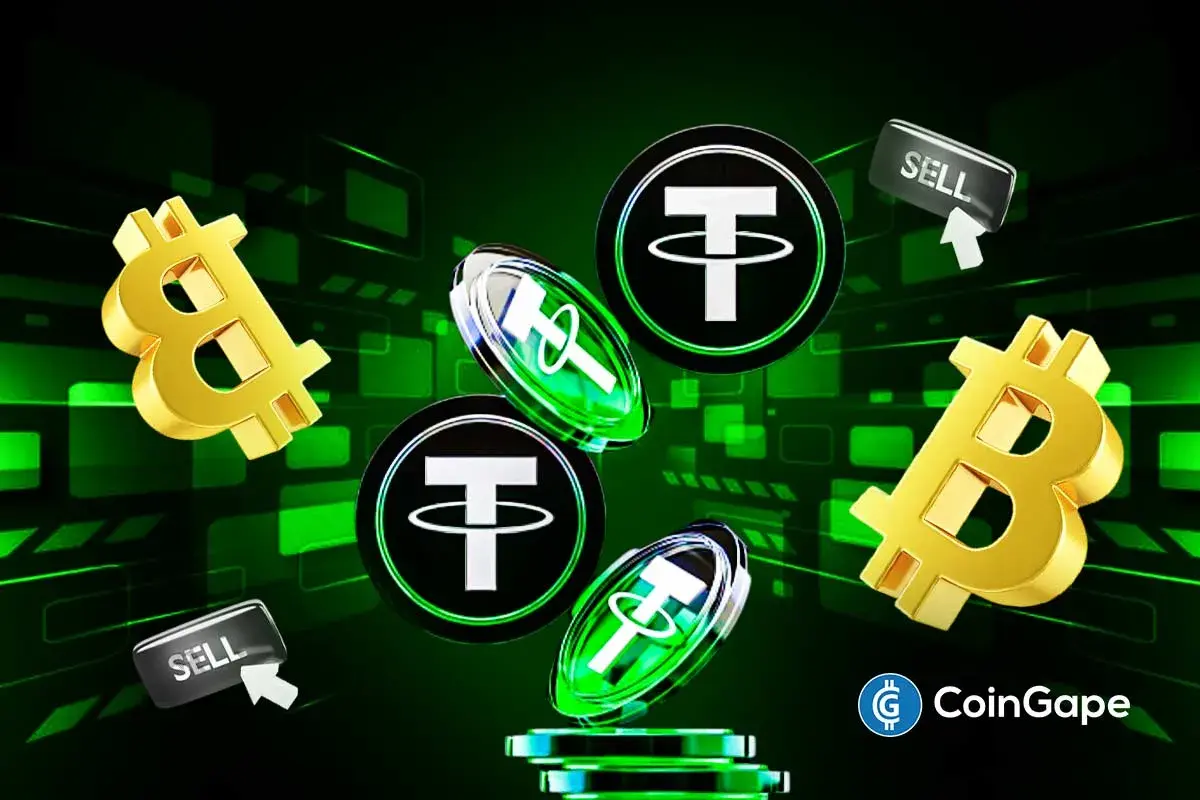
Like most top cryptocurrencies, Bitcoin is a priced asset, and its value fluctuates frequently. Therefore, it is normal not to want to sell your bitcoin when you need immediate capital. Anyone in this situation would need an avenue to obtain the capital they need (usually in fiat or stablecoins like USDT) while maintaining ownership of their Bitcoin. Such avenues include lending protocols like Aave, clapp.finance, Nexo, These platforms offer loans with Bitcoin as collateral.
If you are looking for a way to borrow USDT without selling your Bitcoin, this article provides a guide and important points to consider while you borrow USDT.
How to borrow USDT without selling Bitcoin
To borrow USDT without selling Bitcoin, you will need to use a lending protocol or service that offers Bitcoin-backed loans. The process may differ slightly across centralized and decentralized platforms, but the basics are the same. The steps are as follows
Creating an account
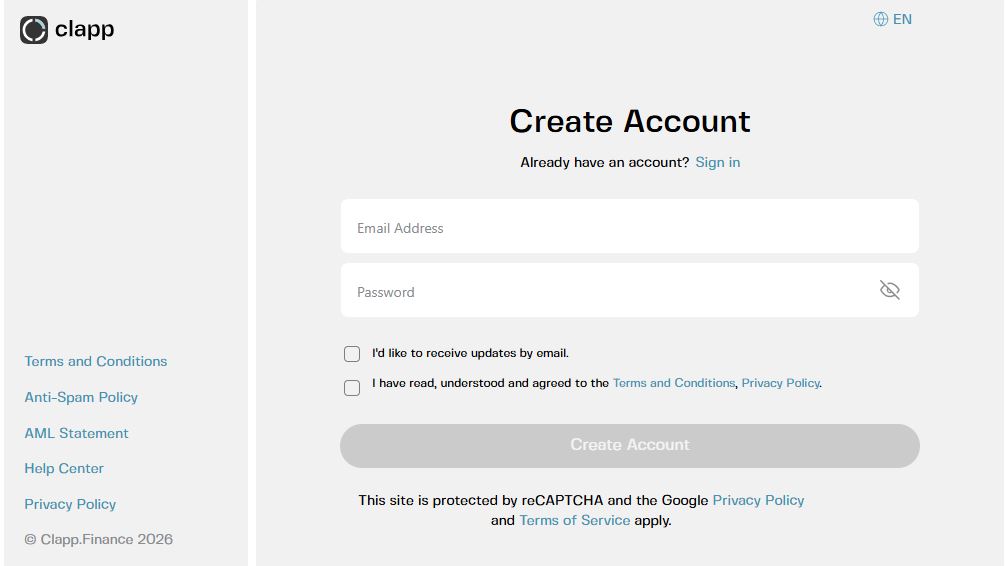
If you are using a centralized lending platform like Clapp Finance, you will be required to create a user account. For a decentralized protocol, you will need to connect your wallet to the platform.
Depositing Bitcoin
Next, follow the platform’s instructions to deposit your Bitcoin or interact with the smart contract to commit your Bitcoin to the borrowing vault.
Obtaining USDT
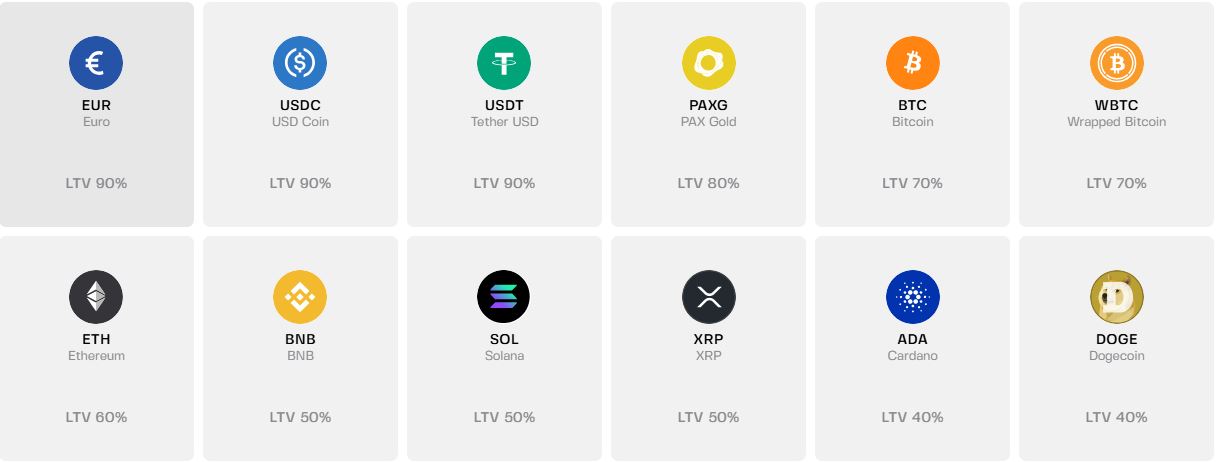
After depositing your Bitcoin. The platform calculates the amount you can borrow using the Loan-to-value (LTV) ratio. Most lending protocols are overcollateralized, and the LTV ratio is usually below 100%. The amount you can borrow is a product of the value of your bitcoin and the LTV ratio. That is, if the LTV ratio is 50% and you deposit $100 in Bitcoin, you can only borrow 50 USDT.
Interest payment
When you borrow USDT with your Bitcoin, your loan is subject to interests paid at a specified rate. The interest you are required to pay accumulates as long as your loan is valid. When repaying your loan, you are expected to repay the amount borrowed and the due interest.
Where can you borrow USDT without selling Bitcoin?
Here are some notable platforms where you can borrow USDT with your Bitcoin.
1. Clapp Finance
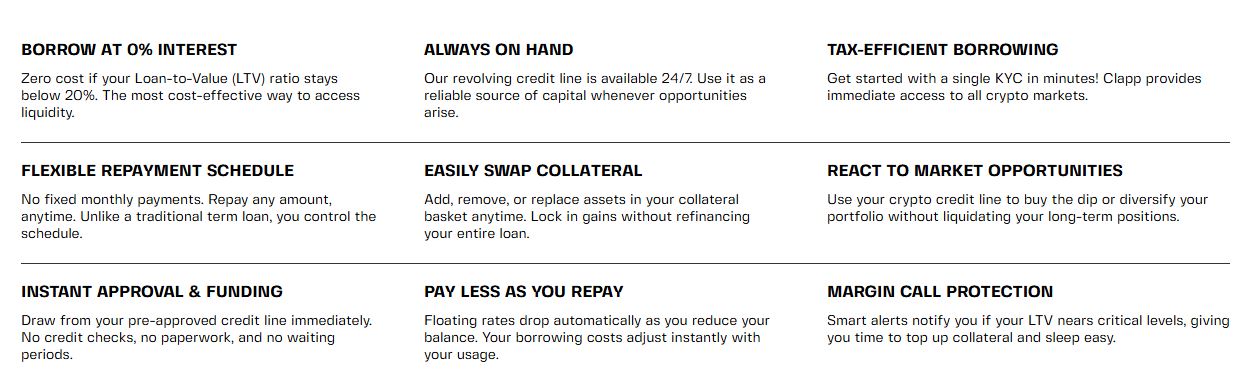
Clapp Finance is a regulated custodial lending platform launched in November 2025. It offers a Bitcoin-backed revolving crypto credit line. With the revolving credit line structure, you can deposit on the platform and borrow USDT or fiat on demand. Clapp doesn’t offer Fixed loans at the time of writing; however, you can withdraw the complete approved amount at once. The USDT you borrow on Clapp Finance is subject to a 2.9% interest rate; however, this only applies to the amount withdrawn. Unused credit lines do not attract interest.
2. Aave
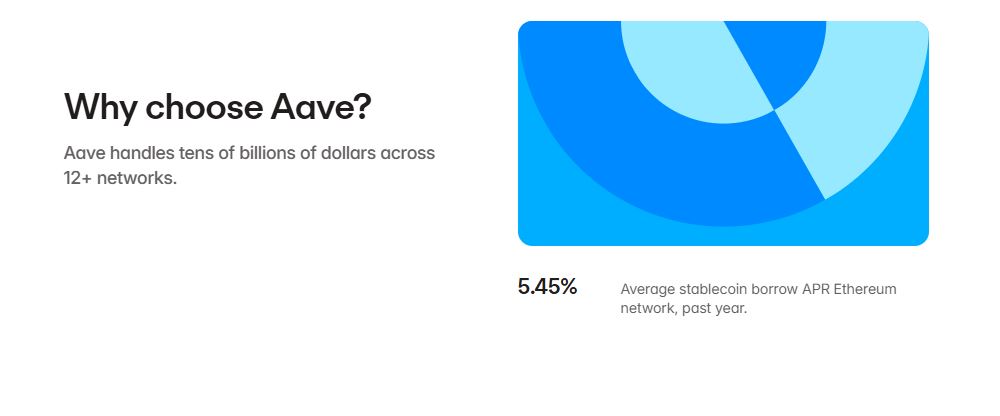
Aave is a decentralized lending protocol where you can borrow USDT with your Bitcoin. It offers overcollateralized bitcoin-backed loans with up to 73% LTV. However, it doesn’t support the native Bitcoin blockchain. You can use any of the supported wrapped Bitcoin variants to access loans on the platform. Aave offers fixed loans with an interest rate of up to 3%. The liquidation threshold is about 78% LTV
3. Nexo
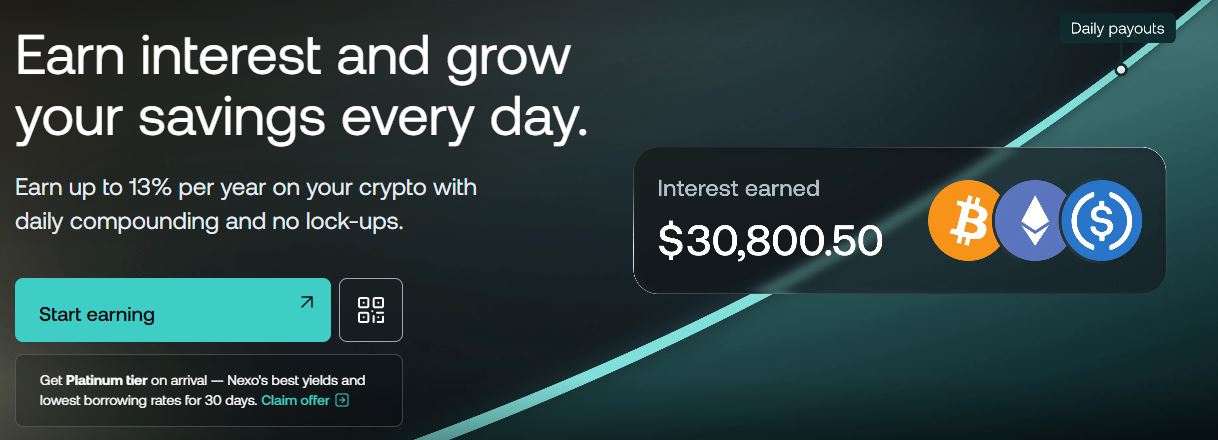
Nexo is another regulated custodial lending platform that offers Bitcoin-backed loans. On Nexo, you can borrow USDT with Bitcoin and more than 50 other crypto assets. The LTV ratio for BTC on Nexo is usually 50%. Nexo also operates a revolving crypto credit line, meaning you can make simultaneous withdrawals, provided you don’t exceed the maximum credit limit. Interest rate on Nexo is 2.9%, but may vary depending on your tier and LTV. Interest rates apply to used credits only.
4. Unchained Capital
Unchain Capital launched its Bitcoin loan in 2017. It offers fixed loans with up to 12% interest rate and a 50% LTV ratio. Unchained Capital’s loan service is only available to enterprises. The minimum amount to borrow is $150,000.
What to consider before borrowing USDT against your Bitcoin
Before you deposit your Bitcoin to borrow USDT from a lending platform, here are some important factors you need to consider;
Capital needs and lending structure
Consider why you need the capital; this is important while deciding on the lending structure to use. Most lending platforms offer fixed loans where the full loan amount is withdrawn at once. But some platforms offer revolving crypto credit lines where you can gradually withdraw the approved loan amount. If you are certain of the amount you need and when you need it, then you can opt for a fixed loan. However, if you need to withdraw the USDT and sort out your needs gradually, then a Revolving Crypto credit line is best suited for you.
Interest rates and repayment conditions
Interest rates vary across lending platforms and could significantly impact the cost-effectiveness of your loan. Before borrowing USDT with your Bitcoin, check the interest rates on the platform you intend to use. Also consider the repayment structure. We recommend using a lending service with a fair interest rate and a repayment structure that works for you.
LTV ratio for your collateral asset
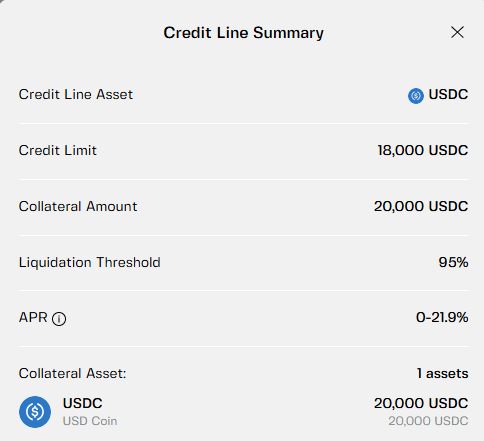
LTVs decide the amount of USDT you receive for your Bitcoin collateral. LTVs are usually higher for stablecoin-backed loans. However, some platforms offer more than the popular 50%. Check the LTV of the platform you intend to use and consider it alongside other factors. While a higher LTV may be attractive, it also exposes you to higher liquidation risks; therefore, legitimacy and trustworthiness are paramount.
Liquidation Risks
Liquidation applies to bad loans. Check the liquidation terms of the platform you wish to borrow USDT from, and understand the conditions that may lead to your collateral being liquidated. Ensure you use a platform with fair, transparent liquidation criteria.
Conclusion
Crypto loans are a good way to preserve your assets while you obtain ready capital for your needs. With the increasing volatility of Bitcoin and other cryptos, crypto-backed loan platforms are becoming more popular. In addition to obtaining on-demand capital, Bitcoin-backed loans offer opportunities to pursue profitable courses without spending your Bitcoin. Just like traditional lending, it is an important economic service. However, it is important to consider the basic operational terms of crypto loans. We recommend taking time to understand how interest rates and liquidation work and applying them to your lending strategy to avoid losses.


- What MiCA Actually Is, and Why It Will Change Where You Put Your Money
- Crypto FIFA World Cup Sponsors In 2026: Blockchain & Web3 Brands Backing Global Football
- Beginner’s Guide to Crypto Exchange: How It Works and Where to Start
- Exchange ETH to XMR Without KYC in 2026: GhostSwap and the Best Alternatives
- Bitcoin to Zcash and Back: The 2026 ZEC – BTC Swap Guide with GhostSwap and More