
Is There a Future for Ethereum In 2026?


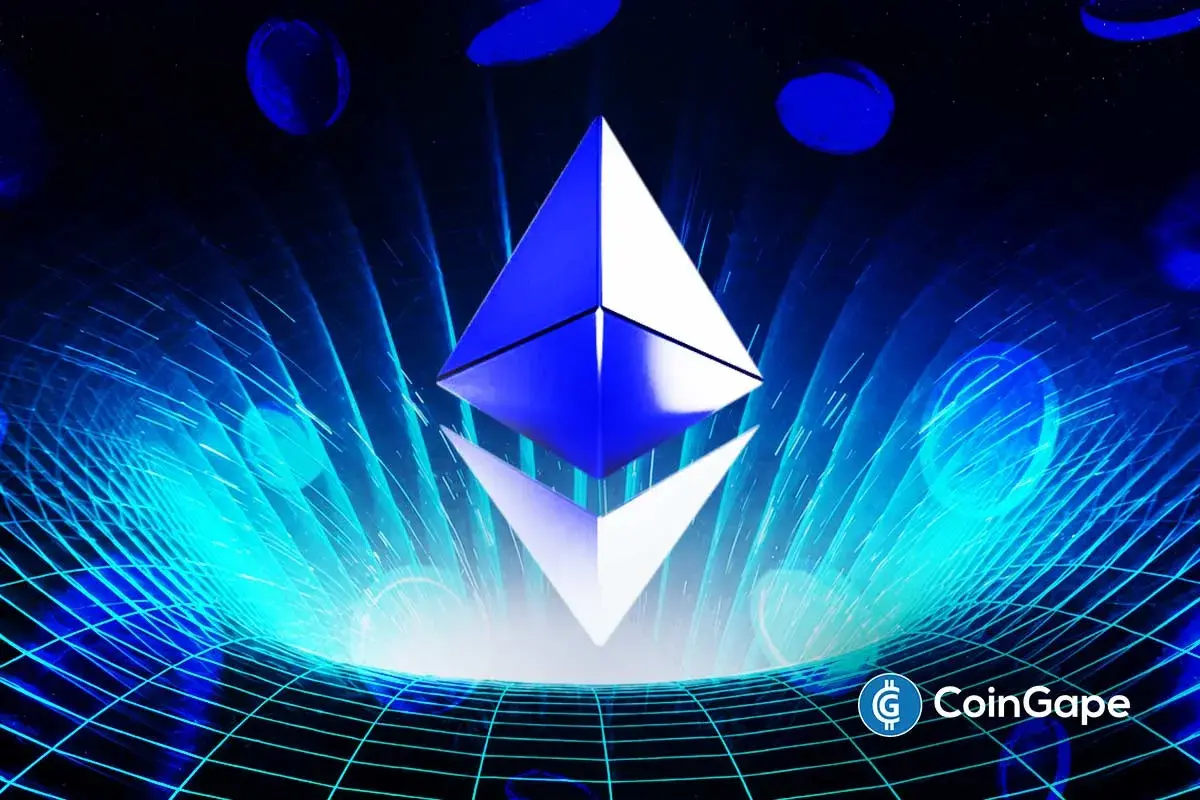
Ethereum is one of the most renowned projects in the crypto ecosystem. Over time, it took the second spot in market aggregators, becoming the second-best valued coin behind Bitcoin. It now faces strong competition from other projects offering smart contracts and DeFi features. Ethereum developers are constantly working hard to upgrade the blockchain and keep it relevant, and ETH is still unquestionably the second-most valued coin.
In the last couple of months, upgrades have focused on improving scalability. On December 3rd, for example, the Fusaka upgrade was deployed to expand Ethereum’s capacity and handle more transactions efficiently. This upgrade comes at a time when the L2 market is consolidating around 3 projects: Base, Arbitrum, and Optimism.
For 2026, there are two planned upgrades. Glamsterdam, scheduled for the first half of the year, will reduce censorship risk and improve gas efficiency. Hegota, to be deployed in the second half, will make it easier to run a full Ethereum node by reducing the storage requirements.
The ETH to USD rate is experiencing a dip in late January, but analysts believe that the effect of these upgrades may be visible in the coming months.
What Defined Ethereum’s Position in 2025
Ethereum played a key role in boosting the DeFi ecosystem, and knowing what Ethereum is should be key to understanding dApps. Although there are many other options now, it is still the most used network for DeFi protocols. According to DefiLlama data, it holds 56.85% of TVL, with over $63.8 billion.
In terms of price dynamics, the value of ETH fluctuated between $3,450 and $2,970 throughout 2025. The average cost of fees, however, remained high, typically up to $3. As a way to circumvent this, the use of L2 solutions increased. Year-on-year growth of Total Value Secured (TVS) in the Layer 2 protocol went up by around 5% up to November 2025.
Institutional investments in protocols like Arbitrum contributed to this growth, but retail investors also played a role in boosting the metrics of the Ethereum ecosystem. Retail participation has also been supported by the growth of crypto payment and exchange platforms like Paybis, which simplify access to Ethereum and other digital assets for users entering the market. Easier fiat-to-crypto onboarding continues to play an important role in expanding Ethereum’s global user base.
What Changed for Ethereum in 2026
Similar to what is planned for 2026, Ethereum developers deployed two network upgrades in 2025. The Pectra upgrade was launched in May, and December saw the implementation of Fusaka. These two upgrades moved the blockchain closer towards an advanced modular scaling roadmap and sharding in particular. Sharding allows for network validators to process chunks of data, instead of the totality of the blockchain, reducing the workload for nodes and increasing network throughput.
The introduction of sharding also helps to increase the capacity of rollups, Layer 2 scaling solutions used by Base and Arbitrum. As we’ve seen, Ethereum developers are focusing on improving the blockchain for L2 solutions that have proved to be a way of offloading work from the main Ethereum chain. At the same time, it helps maintain Ethereum as a leading network by increasing its efficiency.
Can Ethereum Still Lead the Next Crypto Cycle?
Ethereum has been around for over a decade, and since its inception, it has become an industry leader. Market metrics, on the one hand, indicate its strong position among investors. Its market capitalization is $290 million, ranking 2nd in market aggregators, and its daily trading volume is around $40 billion by late January.
Beyond market metrics, it is the leading blockchain in terms of institutional adoption. Ethereum’s dominance in the DeFi and DApps ecosystem is also an indicator of its privileged position among developers.
Although there are strong Layer 1 competitors, like Solana or Avalanche, Ethereum’s recent focus on Layer 2 solutions as a central part of its scaling strategy has proven positive. We can’t ignore the growth of other blockchains, but the pioneering position of Ethereum in the ecosystem, along with the importance of the Ethereum Virtual Machine (EVM), creates a feedback loop that strengthens its dominance. Competitor blockchains develop their infrastructure to be compatible with the EVM, allowing Ethereum developers to easily migrate code from Ethereum to other networks, but at the same time, it reinforces Ethereum’s influence in the broader DApps ecosystem.
Is Ethereum Worth Watching in 2026?
For the last couple of years, Ethereum developers have strived to optimize the network in order to maintain its position as a leading project for institutions and everyday users alike. In 2025, the strategy focused on creating an efficient environment for Layer 2 solutions to thrive. While there are dozens of L2 protocols, market dynamics are consolidating around three main proponents.
There are also two scheduled updates for 2026. This time, they are focusing on improving gas efficiency and reducing storage requirements for running a node. The likely outcome of these upgrades is a larger number of nodes validating transactions, which increases decentralization and lowers fees for end users.
However, as investors, it is important to avoid getting carried away by news and announcements and take a closer look at the state of the market and development status. Any investment decision must come from a thought-out strategy, rather than from emotions and hype.


- Crypto OTC Is Booming as Institutional Demand Moves Beyond the Block Trade
- Insight Guard Reviews How to Tell a Legitimate Fraud Investigation Service From a Recovery Scam
- The End of “Skin in the Game”: How Funded Capital Is Rewriting Retail Finance
- How to Stake XRP: What Actually Works in 2026
- FortisX Staking Platform Doubles Down on Audits and Transparency