


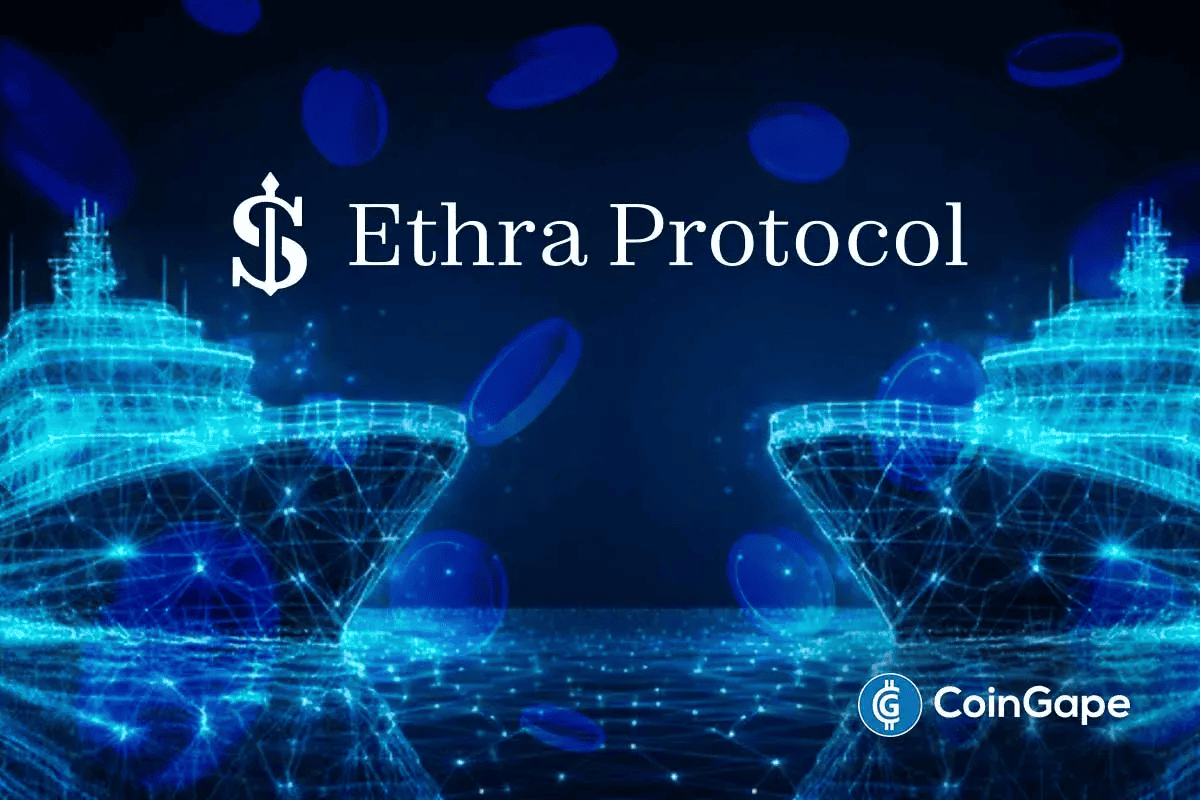
Ethra Ship Brings RWA to the Shipping Infrastructure


Highlights
- Maritime shipping could be the RWA sector's next big thing, and Ethra Ship is leading the charge.
- Ethra Ship's two-tier architecture serves both retail Web3 users and regulated institutional investors.
- With four years of shipping expertise, Ethra Invest is not just another token-first RWA project.
Real-World Asset (RWA) tokenization has a playbook that is remarkably repetitive. To date, the sector has focused on two pillars: tokenized US Treasuries and fractionalized real estate. These assets can offer stability, but they are not the only ones that can be tokenized.
For RWAs to enter the mainstream of investment portfolios, they need to demonstrate that they offer tokenization for both high quality and a wide variety of assets. Take a fundamental cornerstone of global commerce for instance: the maritime shipping industry.
The majority of goods today are shipped by sea. Research shows that over 80% of all global trade by volume is shipped that way. There has been no integration of this service into the blockchain.
RWA markets are maturing, causing industrial hard assets capable of yielding inflation-linked revenues to get the spotlight. Maritime shipping is one such niche, and could benefit from the perks of tokenization. Projects like Ethra are currently creating the groundwork to make blockchain infrastructure for shipping.


Analysis of Value of Maritime Shipping
Maritime Shipping, much like the real estate market, has been accessible only to large institutions and ultra-high-net-worth individuals. Ouco Industry notes that a single bulk vessel can cost anywhere from $30 to $120 million.
Navigating international maritime law adds legal complexity into the mix, making specialized, multi-decade expertise mandatory.
That being said, ships are highly liquid, mobile global assets. They feature structural scarcity and hard collateral, factors that investors would find interesting.
The sector isn’t deterred by a slow local economy either, as the ship can sail to where cargo demand is higher. And since global shipyard capacity is constrained to create an inherent supply cap, shipping could generate inflation-linked revenues. Supply chain disruptions act as a natural hedge and the market adjusts fast to inflationary pressures.


Ethra Ship Aims to Make Maritime Shipping Investment Accessible
The RWA playbook has led many would-be investors astray, as there is a wide gap between what’s promised and what physical asset actually reaches tokenization. Too many projects launch a token first, using the proceeds to try and source assets later, if ever.
But bulk shipping is not just a single piece of real estate or treasury. The cost of the vessels can eclipse other RWAs ten or twenty fold. Throwing money into such a high cost asset should come with a guarantee that the project actually knows what they are doing on the asset side. A prime example of a protocol with real expertise behind it is Ethra Ship.
Ethra Ship is backed by its parent company Ethra Invest. Founded in 2021, the firm already has four years of experience building a strong track record operating in the shipping sector, and has now ventured into the blockchain space to make maritime investment accessible to retail traders.
Everything you own crossed an ocean to reach you.
For 5,000 years, this $20T industry has remained in the hands of a few.
Now, for the first time, the tide is turning.
Come aboard for rewards ⚓️https://t.co/VPlZszyRBo pic.twitter.com/tdcFRGYc26
— Ethra Ship Protocol (@EthraShip) June 18, 2026
Analyzing the Ethra Ship Ecosystem
The website describes Ethra Ship as having a two-tier architecture. Each tier serves a different audience while adhering to regulatory compliance.
Tier 1
The first layer is the $SHIP token layer. It is a utility asset that reportedly offers staking rewards to the Web3 community. The asset also acts as a governance token, letting the community decide the future of the project and giving users access to on-chain fleet data.
Tier 2
At tier 2 lies the regulated RWA investment layer. This layer is only accessible to users that have completed KYC and adhere to AML verifications. An institutional-grade tier, this layer gives investors direct fractional exposure to maritime Special Purpose Vehicles that own actual dry bulk vessels. The whitepaper highlights that it will let participants earn a share of the cash flow that these global freight charters generate.
Ethra Ship’s vision is to democratize maritime shipping investment and even move institutional liquidity on-chain. The unique asset class, when integrated with blockchain, could be more valuable than real estate funds and tokenized government bonds, developers argue.
Instant Currency Exchange at BestChange with Ease
- Compare Rates Across 1000+ Exchanges
- Access 250+ Cryptocurrencies & Pairs
- Save Time with Real-Time Price Tracking
- Trusted & Verified Exchange Listings

Why Trust CoinGape
CoinGape has covered the cryptocurrency industry since 2017, aiming to provide informative insights Read more… to our readers. Our journal analysts bring years of experience in market analysis and blockchain technology to ensure factual accuracy and balanced reporting. By following our Editorial Policy, our writers verify every source, fact-check each story, rely on reputable sources, and attribute quotes and media correctly. We also follow a rigorous Review Methodology when evaluating exchanges and tools. From emerging blockchain projects and coin launches to industry events and technical developments, we cover all facets of the digital asset space with unwavering commitment to timely, relevant information.



Delivered every day.
- Insights that move markets
- 100,000 active subscribers

Global Onchain Awards 2026