
RBI Leans Toward Crypto Ban Despite India Boasting 39 Million Traders & $2.1B Holdings







Highlights
- Internal documents show the RBI is pushing a policy that "leans toward prohibition," citing stablecoin threats to monetary sovereignty.
- Deputy Governor Rohit Jain urged Parliament to keep crypto out of payments, with a report due in the monsoon session.
- India tops the Chainalysis 2025 adoption index with 39M investors, while past ban attempts since 2018 have all failed.
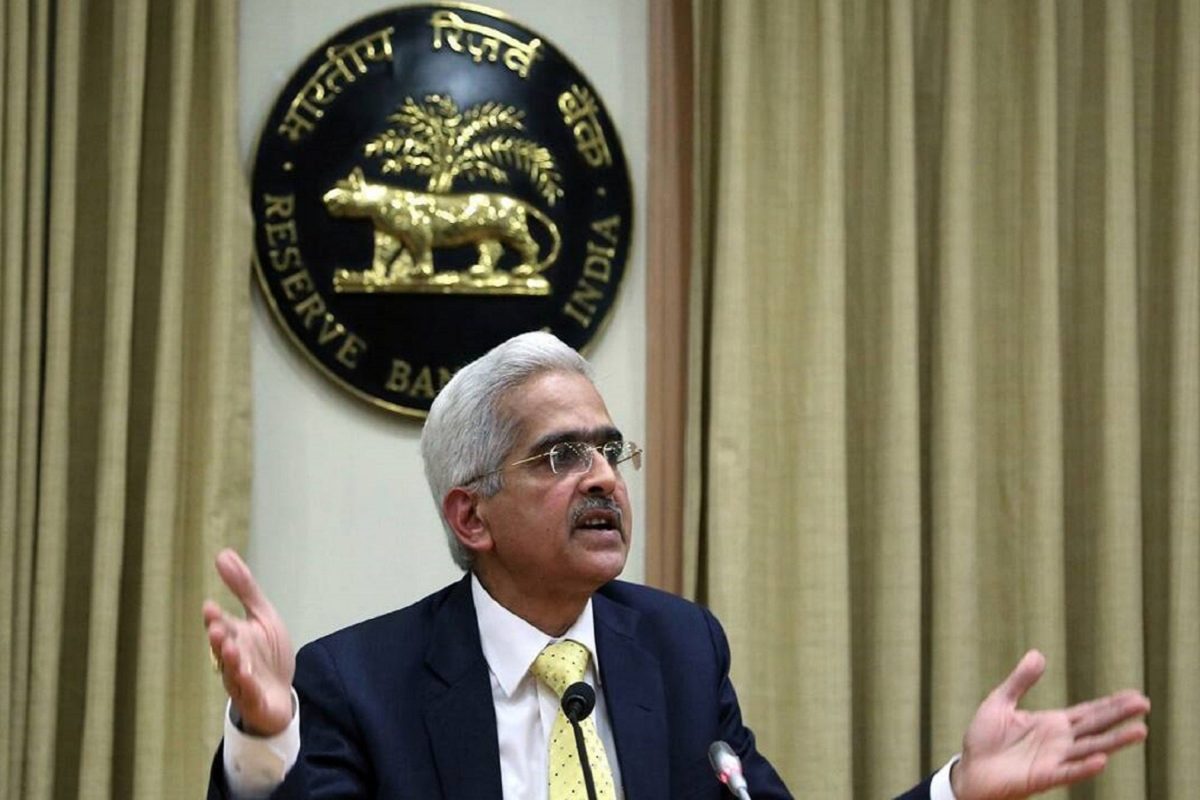
The central bank of India continues its quest for an Indian crypto ban, increasing the pressure. The central bank of India is upping the ante on the crypto ban for India. The Reserve Bank of India (RBI) is advocating for a policy that “leans toward prohibition,” despite nearly 39 million Indian investors possessing approximately $2.1 billion in digital assets, internal government documents reveal on July 8, 2026.
RBI Warns of Contagion Risks and Stablecoin Threats
The RBI’s stance is more than just about the ban on cryptocurrencies in India. Both foreign-backed and rupee-pegged stablecoins have raised individual concerns for the central bank. The documents reviewed by Reuters suggest that the dollar-backed stablecoins could pose a threat to India’s monetary sovereignty.
Rupee-backed tokens, the RBI cautioned, could also lead to a loss of seigniorage, or the revenue the government generates from issuing fiat currency, and put pressure on finances at times of turbulence in the market.
Deputy Governor Rohit Jain laid out the RBI’s containment case before the Parliamentary Standing Committee on Finance on July 2. He called for keeping digital tokens out of payments and ensuring banks stay insulated from crypto exposure. A parliamentary report expected in India’s monsoon session could shape the next regulatory chapter.
This is not the RBI’s initial effort in this direction. The central bank has already restricted banks from doing such business with cryptocurrency firms since 2018.
When India’s Supreme Court struck down the RBI’s 2018 Crypto Banking Restrictions, it left India without a dedicated cryptocurrency law, a legal vacuum the country has navigated through tax policy alone ever since.
There was no draft law introduced in Parliament regarding the ban on private cryptocurrencies in 2021. This government discussion paper has languished since then.
Last September, the finance ministry decided that existing tax legislation has been effective in curbing the risks associated with crypto, but this time the RBI is making greater efforts.
39 Million Investors, 30% Tax, and a Pattern of Failed Bans
In India, the crypto market is so vast that it would be a challenge to ban all cryptocurrencies. India has been in the top spot for the Chainalysis 2025 Global Crypto Adoption Index. Thereby topping all four sub-indices: retail, CeFi, DeFi, and institutional activity.
The Income Tax Department admits that not enough crypto investors are reporting gains, with less than 25% of the 645,000 people who engaged in activity in the crypto asset sector doing so properly during FY2023. This is further complicated by the tracking of offshore exchanges, private wallets, and peer-to-peer rupee trades.
Indian crypto users are already paying a flat 30% tax along with a 1% tax deducted at source (TDS) on every trade, and there is no provision to set off losses. That is pushing many to the offshore platforms, the very platform authorities have cited as an enforcement gap.
The pattern is well known. When India’s 2021 crypto ban draft proposed a 3–6 month investor liquidation window, markets reacted sharply, but the bill was never tabled. Each of the previous scares has not been passed, and India’s grassroots adoption has continued.
It seemed like a last year candidate for a more collaborative tone until 2024. RBI and SEBI Joined Forces to Develop India’s Crypto Policy Framework, with a joint discussion paper due in Q3. That was never mailed. The tone within key agencies has since tightened more, not loosened, according to the latest Reuters-reviewed documents.
This isn’t the first time investors have experienced such a scenario. The RBI has always advocated prohibition, while the government has chosen the approach of taxation and supervision. As long as a new law doesn’t pass Parliament and face a court challenge, crypto trading is legal in India.
The ongoing discussion of a possible ban on cryptocurrencies in India could get more intense this monsoon session, but history has shown that adoption will move faster than the regulator.
See our full comparison of crypto copy trading platforms for hands-off investing.
Instant Currency Exchange at BestChange with Ease
- Compare Rates Across 1000+ Exchanges
- Access 250+ Cryptocurrencies & Pairs
- Save Time with Real-Time Price Tracking
- Trusted & Verified Exchange Listings

Why Trust CoinGape
CoinGape has covered the cryptocurrency industry since 2017, aiming to provide informative insights Read more… to our readers. Our journal analysts bring years of experience in market analysis and blockchain technology to ensure factual accuracy and balanced reporting. By following our Editorial Policy, our writers verify every source, fact-check each story, rely on reputable sources, and attribute quotes and media correctly. We also follow a rigorous Review Methodology when evaluating exchanges and tools. From emerging blockchain projects and coin launches to industry events and technical developments, we cover all facets of the digital asset space with unwavering commitment to timely, relevant information.





Delivered every day.
- Insights that move markets
- 100,000 active subscribers