


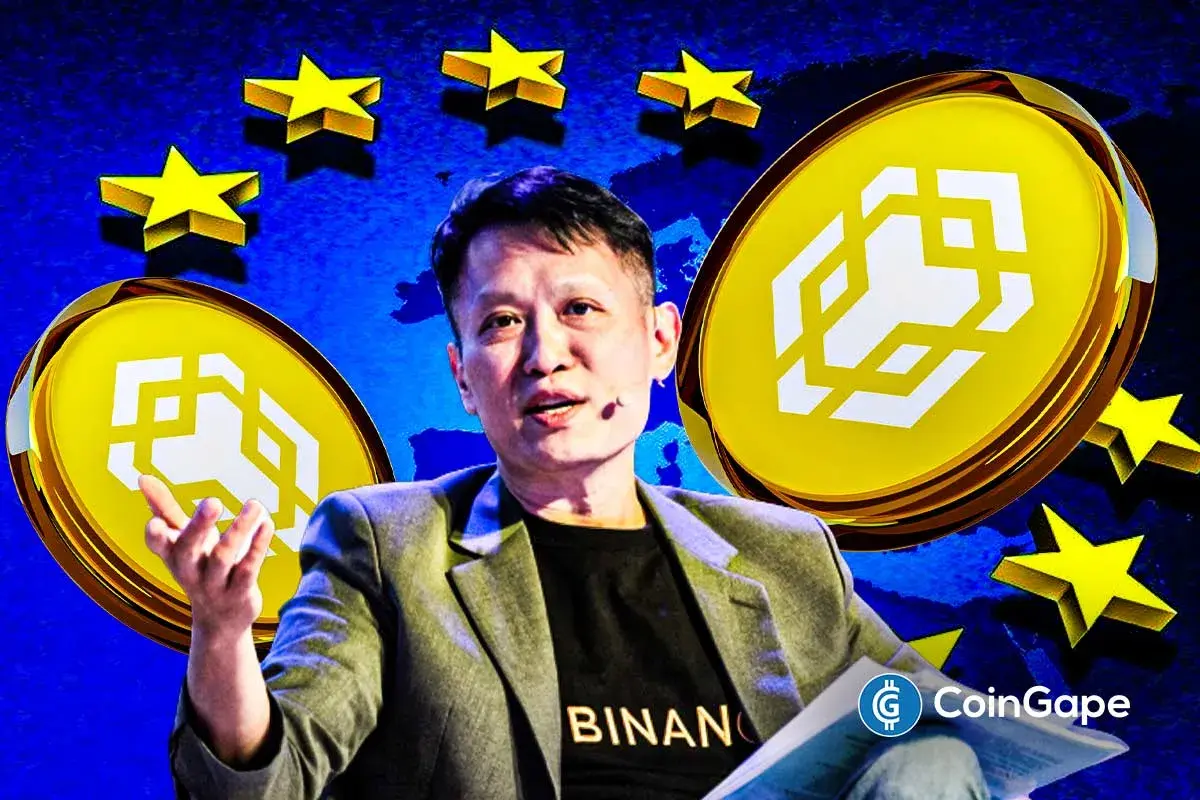
Can Binance Still Make It in EU? CEO Richard Teng Reveals Regulator Invitations

Highlights
- Co-CEO Richard Teng confirmed at Reuters NEXT Asia that multiple EU states have invited Binance to apply for a MiCA license.
- Binance withdrew its Greece application before the July 1 deadline after "surprising" regulatory delays, calling it a user-first decision.
- The exchange entered the Philippines via Blockshoals Technologies and plans more Asian markets as institutional users grew 9%.
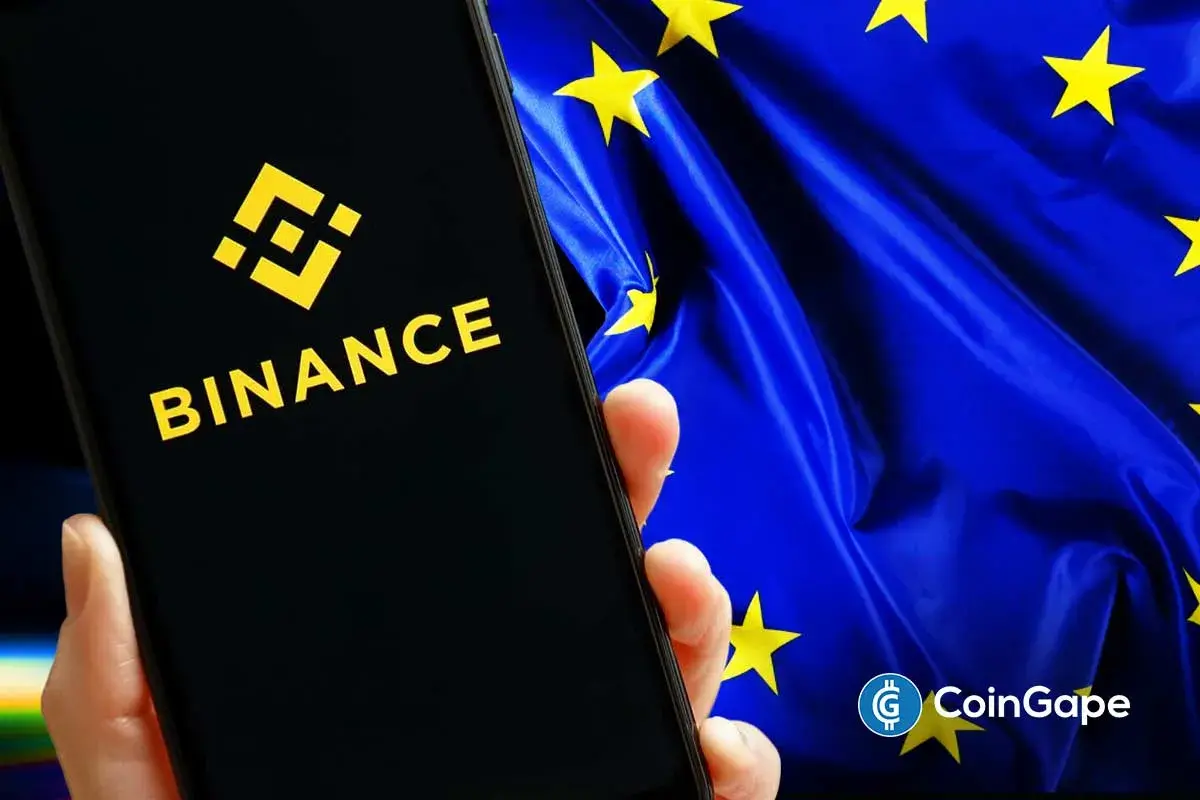
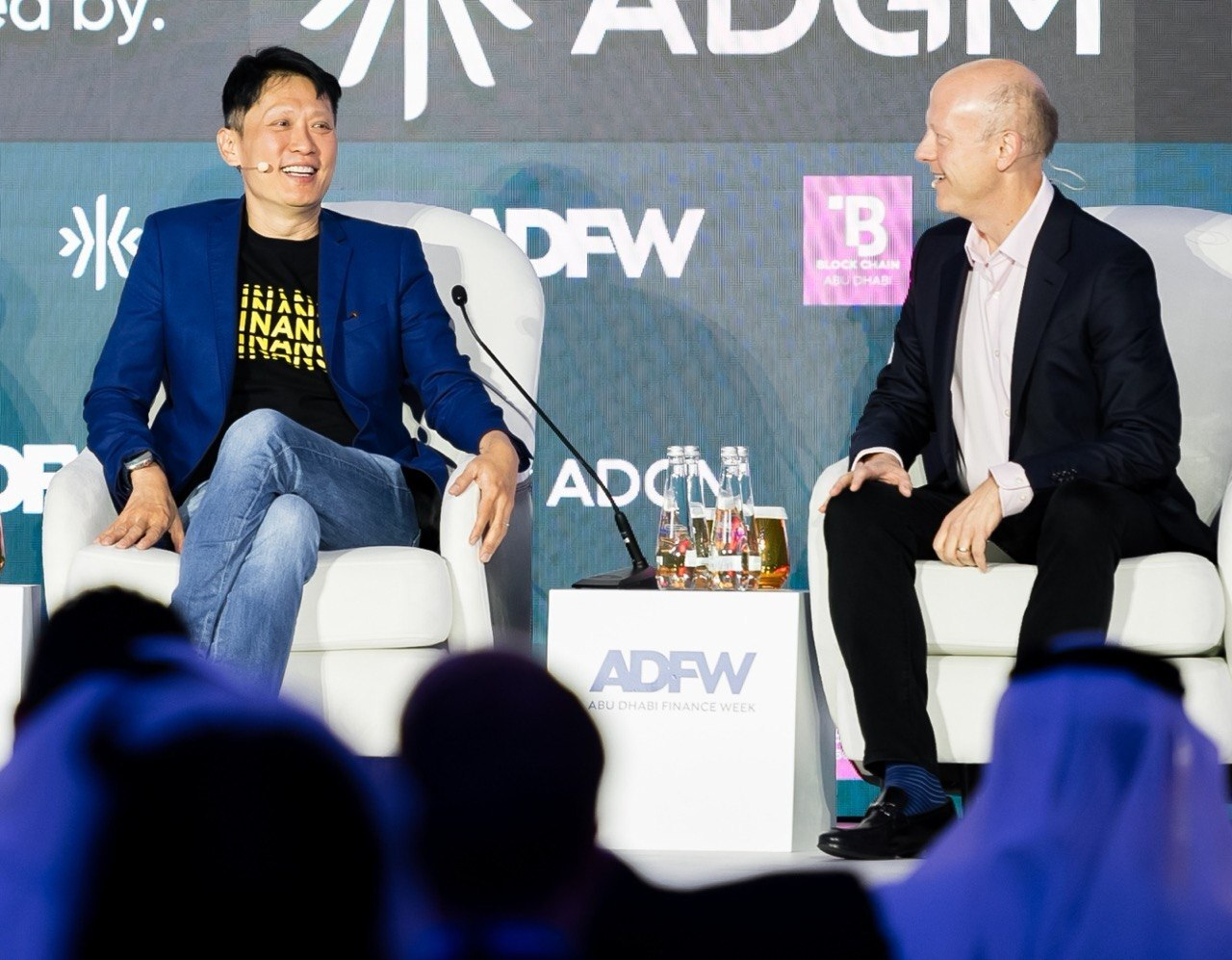
Binance is back in EU conversations, and this time, regulators are reaching out first. Speaking at the Reuters NEXT Asia conference in Singapore on July 9, 2026, Co-CEO Richard Teng confirmed that multiple EU member states have invited the exchange to apply for a Binance MiCA license under the bloc’s Markets in Crypto-Assets framework. The disclosure comes weeks after Binance withdrew its Greece application to protect EU users from service disruption.


What Teng Said at Reuters NEXT Asia
Teng said the EU negotiations were “close” but not ready to identify the countries involved and that it was the discussions’ “premature” nature that necessitated a new meeting. He said that the Greece withdrawal was made as a user-first decision.
The delays from Greek regulators were “surprising,” Teng said. They told us it will be approved, so we’re not sure why it continually got pushed back.
With the EU’s MiCA deadline fast approaching on July 1, 2026, Binance decided to withdraw its application from the EU to avoid a potentially lengthy and messy transition period.
The decision followed a series of setbacks by regulators. Binance withdrew its MiCA application in Greece ahead of the July 1 deadline, immediately declaring it would seek authorization elsewhere in the EU, a position Teng now appears to be actively executing.
The exchange also has been charting a parallel front. Binance’s withdrawal from crypto trading following its failed effort to obtain a MiCA license in France further reduces the number of potential EU headquarters and increases the pressure on the ongoing negotiations.
Binance issued a commitment thread on X after the Greece withdrawal, stating, “Binance’s commitment to having a clear, fair, and harmonized Binance MiCA license framework remains unchanged as Europe is an important market for Binance.”
Binance has decided to withdraw its MiCA licence application in Greece and pursue authorisation in another EU Member State.
— Binance (@binance) June 24, 2026


Asia Expansion and Institutional Growth Back Binance’s Dual Strategy
As the EU licensing landscape unfolds, Binance is rapidly progressing on other fronts. Teng recently announced the transaction happened in the Philippines via Blockshoals Technologies and intends “a few more” market openings in Asia with an aggressive stance.
The Philippines’ move is a broader push. Binance officially entered the Philippines following its MiCA debacle, making the exchange pursue diversification instead of waiting for any single regulatory outcome.
This year, 7% of the platform’s users are professional customers, yet institutional customers have grown by 9%, indicating a greater embrace of professional customers, Teng added. He likewise had no qualms about voicing his bullish attitude on crypto even in the face of a tough macro environment for BNB and the wider markets.
It is significant that few exchanges have managed to clear the hurdle, with Teng standing out as the exception. As crypto companies sought refuge in Dubai under the pressure, only 244 MiCA licenses were issued, which is a positive sign for Binance’s future as the EU regulators extend an invitation to the industry.
For BNB users, a streamlined licensing process in the EU, along with the expansion into Asia and the growing institutionalization of the network is a multi-front growth opportunity.
The only thing that is still a concern is the timing. Should negotiations remain ongoing or split at different levels of jurisdiction, it will be possible for some EU users to continue using services for a limited time. However, the Binance pursuit of a MiCA license is far from finished; it has simply switched to a more hospitable desk.
Learn how to earn passive income with crypto through staking, lending, and more.
Instant Currency Exchange at BestChange with Ease
- Compare Rates Across 1000+ Exchanges
- Access 250+ Cryptocurrencies & Pairs
- Save Time with Real-Time Price Tracking
- Trusted & Verified Exchange Listings
Why Trust CoinGape
CoinGape has covered the cryptocurrency industry since 2017, aiming to provide informative insights Read more… to our readers. Our journal analysts bring years of experience in market analysis and blockchain technology to ensure factual accuracy and balanced reporting. By following our Editorial Policy, our writers verify every source, fact-check each story, rely on reputable sources, and attribute quotes and media correctly. We also follow a rigorous Review Methodology when evaluating exchanges and tools. From emerging blockchain projects and coin launches to industry events and technical developments, we cover all facets of the digital asset space with unwavering commitment to timely, relevant information.


Delivered every day.
- Insights that move markets
- 100,000 active subscribers