
Can Russia Exploit XRP Ledger? Ripple CTO Emeritus Addresses Geopolitical Security Risks






Highlights
- Ripple CTO Emeritus recently discussed Russia-related geological security risks on the XRPL.
- He noted that the network could face vulnerability due to state actors.
- Nonetheless, Schwartz noted that it would not be a long-term problem.
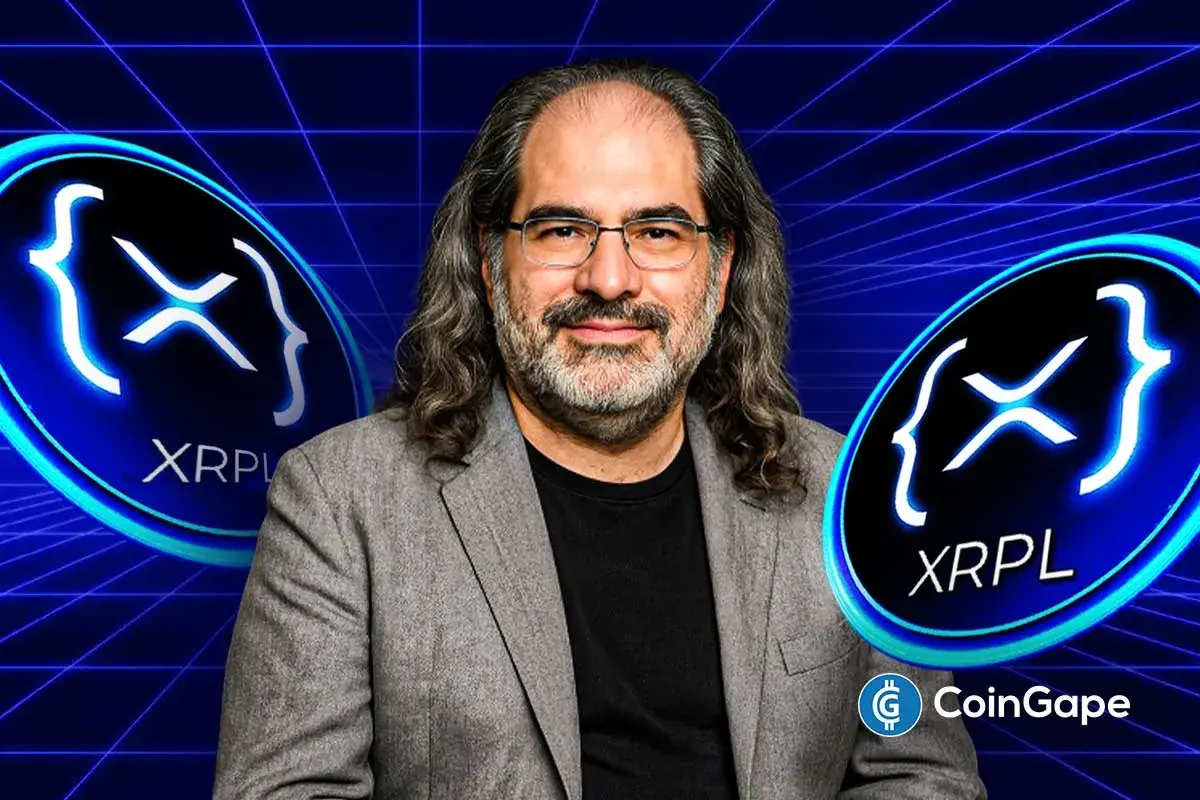
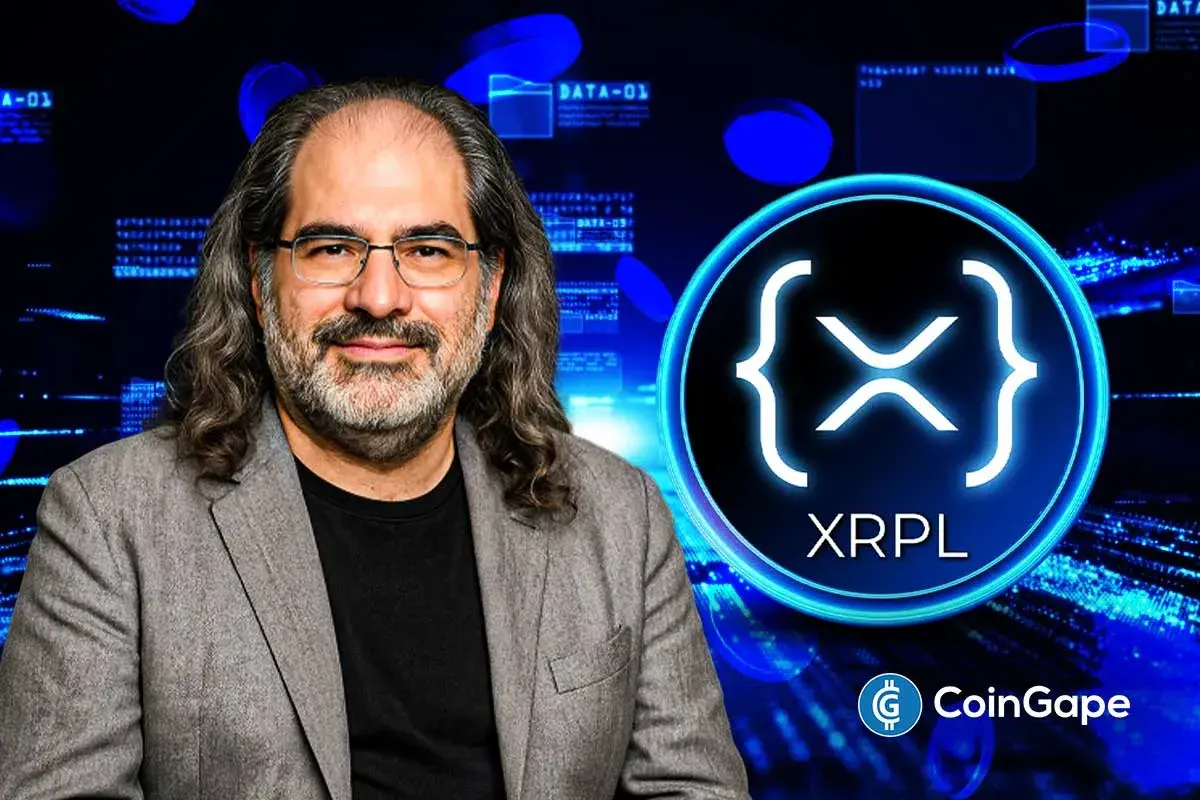
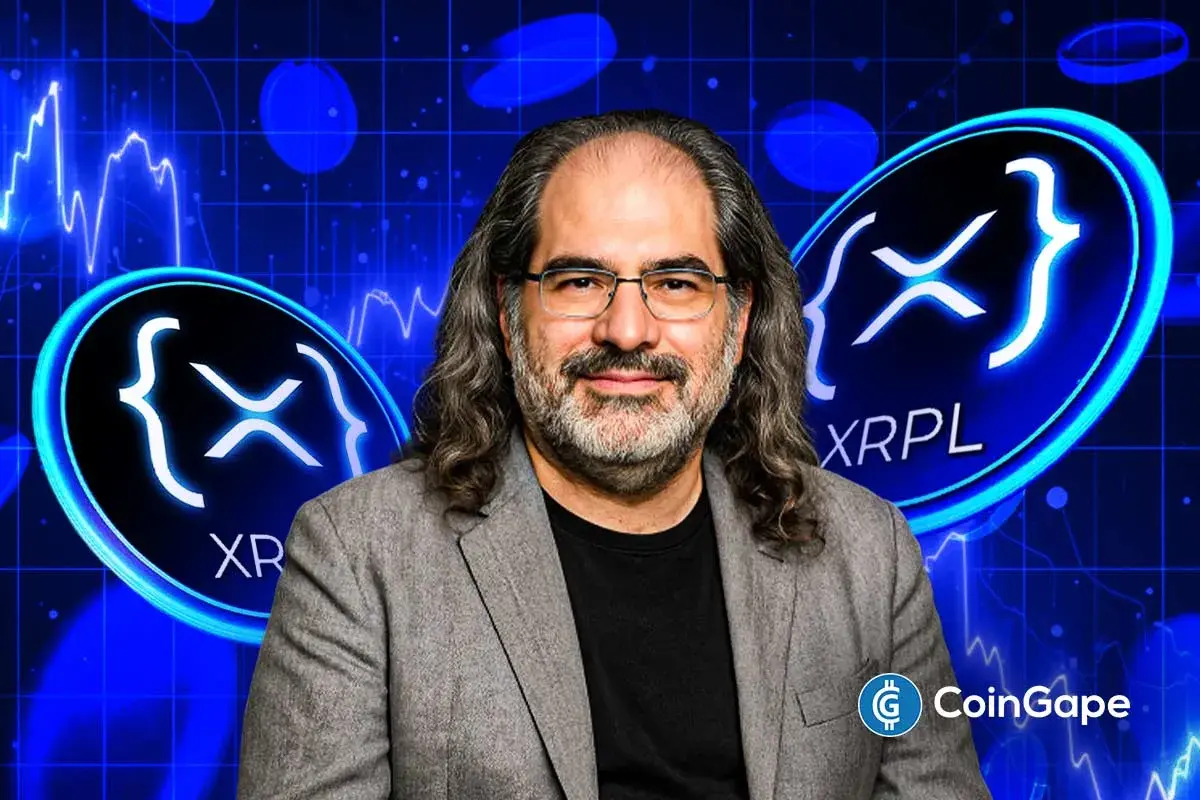
Ripple CTO Emeritus David Schwartz weighed in on how resilient the XRP Ledger is to nation-states interfering with blockchain networks this week. His remarks responded to queries of Russia using the XRPL to bypass traditional systems.
David Schwartz Responds To Fears of Russia Exploiting XRP Ledger
One X user wrote, “I am concerned about geopolitical security. How resilient is the XRPL consensus mechanism against state-level interference? They also asked, “Could an authoritarian regime like Putin’s co-opt or disrupt the UNL/validator network to weaponize the ledger?”
In response to the conversation, Schwartz agreed that governments might be able to pose short-term issues to blockchain networks. However, he noted that such disruptions may not cause long-term harm.
“It would not surprise me if state level actors could cause temporary disruptions of blockchains, including XRPL,” Schwartz wrote. He added, “But I’m very skeptical of any kind of long-term damage.”
Also, software-based systems have a definite advantage if a new threat arises because they can be fixed with an update, Schwartz stated. He added, “Whatever weaknesses or bugs they exploit can be fixed because software can always be changed.”
These queries represent important security risks as the XRP Ledger is gaining traction lately. The XRPL has over $2.2 billion in RWA market cap currently.
Further, Ripple’s RLUSD usage on the network has surged massively. Also, there are several amendments in progress for the XRPL.
What If There Are Attacks On Validators?
Later in the conversation they moved on to an extreme hypothetical scenario of attacks on validator operators. One of the users noted that XRP Ledger has a limited number of trusted validators. They believe that this makes it possible for malicious entities to attack them directly.
Schwartz said it was not a good long-term solution. “I don’t think that would be very effective unless they could make it so that nobody was brave enough to run a validator,” he said.
For this, Ripple’s CTO Emeritus explained that XRP Ledger validator operators could be replaced if needed. In addition, participants could also participate anonymously with privacy-preserving technologies, he added. “But it would certainly be disruptive,” Schwartz concluded.
I don't think that would be very effective unless they could make it so that nobody was brave enough to run a validator. Operators would just be replaced. Validators could become anonymous and operate over tor. But it would certainly be disruptive.
If that actually did happen,…
— David 'JoelKatz' Schwartz (@JoelKatz) May 31, 2026
The future architecture that could make a major contribution to resistance to such threats was also outlined by Schwartz. He proposed to create a two-layered consensus design
Here, the first layer would take care of validator lists updates. Meanwhile, the second layer would deal with basic network operations. If materialized, it could mark a great achievement for the XRP Ledger after the recent launch of 3.1.3 mainnet version.
While the conversation went on, Schwartz maintained that blockchain networks have the potential to adapt when they’re threatened. He compared this to Bitcoin and wondered if the network would die if an issue is found in the proof-of-work scheme or would they go to another model.
“Any chain that wanted to continue existing would respond to such a threat with whatever changes are necessary to resist the threat,” Schwartz wrote.
To know more about DeFi-linked borrowing, check out our page on DeFi Lending Platforms.
Instant Currency Exchange at BestChange with Ease
- Compare Rates Across 1000+ Exchanges
- Access 250+ Cryptocurrencies & Pairs
- Save Time with Real-Time Price Tracking
- Trusted & Verified Exchange Listings

Why Trust CoinGape
CoinGape has covered the cryptocurrency industry since 2017, aiming to provide informative insights Read more… to our readers. Our journal analysts bring years of experience in market analysis and blockchain technology to ensure factual accuracy and balanced reporting. By following our Editorial Policy, our writers verify every source, fact-check each story, rely on reputable sources, and attribute quotes and media correctly. We also follow a rigorous Review Methodology when evaluating exchanges and tools. From emerging blockchain projects and coin launches to industry events and technical developments, we cover all facets of the digital asset space with unwavering commitment to timely, relevant information.





Delivered every day.
- Insights that move markets
- 100,000 active subscribers