


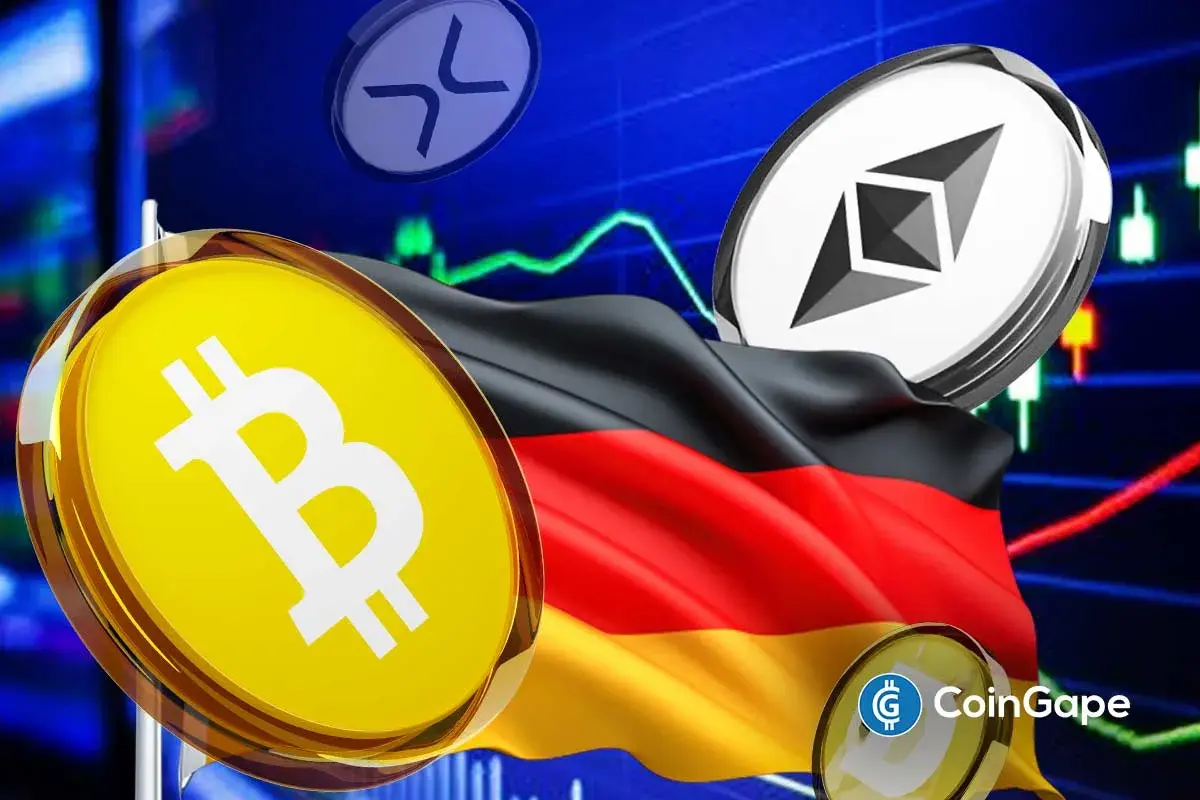
Germany’s Local Banks Launch Crypto Trading Services for Millions of Retail Customers

Highlights
- Hundreds of German cooperative and savings banks are rolling out retail crypto trading via existing bank accounts.
- DZ Bank is powering crypto for 650 cooperative banks; DekaBank is building a separate platform for 340 savings banks.
- 38% of Germans trust their primary bank for crypto, double the 19% who prefer dedicated crypto platforms.
Germany’s banking sector is making a significant leap into the cryptocurrency arena, with hundreds of cooperative banks and savings banks set to enter the fray by providing retail customers with easy access to digital asset trading via conventional banking channels.


Germany Banks Expand Retail Crypto Trading Services
The expansion will enable millions of customers to purchase and sell cryptocurrencies via their current bank accounts, rather than through special crypto exchanges. In a major shift for Germany’s traditionally conservative banking sector, the move signals a new trend of many institutions embracing retail crypto trading, according to Bloomberg.
The number of crypto trading platforms has increased in Germany, with several of the country’s almost 650 cooperative banks already launching such a platform created by DZ Bank.
At the same time, DekaBank is working on a new crypto trading platform for the approximately 340 savings banks in Germany.
“I couldn’t imagine that more than a few hundred banks will be offering the product in the near future,” Markus Bärenfänger, DZ Bank product specialist, said.
The reversal comes after the banking industry’s previous position. Four years ago, the German savings banks were against trading cryptocurrencies to retail investors on the grounds of “incalculable risks.” But, with rising demand from customers, numerous institutions are rethinking their stance.
This move by Germany’s two biggest regional banking groups underscores the growing mainstreaming of digital assets, says Julian Schmeing, a partner at financial consultancy ZEB.
Crypto trading is now gaining traction among a wider group of people,” Schmeing said. Cryptocurrencies are no longer a niche topic.”

Survey Highlights Strong Trust in Traditional Banks
Industry participants believe customer trust could give traditional banks an advantage in crypto services. A survey by Boerse Stuttgart Digital found that about one-quarter of Germans have invested in cryptocurrencies, while 38% trust their primary bank for crypto transactions compared with 19% who prefer specialized crypto platforms.
Volksbank Raiffeisenbank Würzburg, one of the first cooperative banks to offer crypto trading, said several hundred customers already use the service. Board member Claus Reder said providing crypto through a familiar banking environment boosts customer confidence.
The Savings Banks Association Germany (DSGV) also stressed that trading cryptocurrencies is very speculative and is only suitable for self-directed investors, as digital assets have the risk of losing their entire value. Despite the warnings, the number of regional banks adopting crypto services is likely to rise as demand grows.
If you’re looking for staking rewards, visit our page on Crypto Staking Platforms.
Instant Currency Exchange at BestChange with Ease
- Compare Rates Across 1000+ Exchanges
- Access 250+ Cryptocurrencies & Pairs
- Save Time with Real-Time Price Tracking
- Trusted & Verified Exchange Listings
Why Trust CoinGape
CoinGape has covered the cryptocurrency industry since 2017, aiming to provide informative insights Read more… to our readers. Our journal analysts bring years of experience in market analysis and blockchain technology to ensure factual accuracy and balanced reporting. By following our Editorial Policy, our writers verify every source, fact-check each story, rely on reputable sources, and attribute quotes and media correctly. We also follow a rigorous Review Methodology when evaluating exchanges and tools. From emerging blockchain projects and coin launches to industry events and technical developments, we cover all facets of the digital asset space with unwavering commitment to timely, relevant information.



Delivered every day.
- Insights that move markets
- 100,000 active subscribers

Global Onchain Awards 2026