


XRP Ledger 3.2.0 Upgrade: Community Flags Major Bugs In New Core Server


Highlights
- Node operators have detected major bugs in the XRP Ledger's latest upgrade.
- The XRPL v3.2.0 has configuration parser and synchronization issues, per GitHub reports.
- XRP Ledger Foundation and developers are reviewing the reports currently.
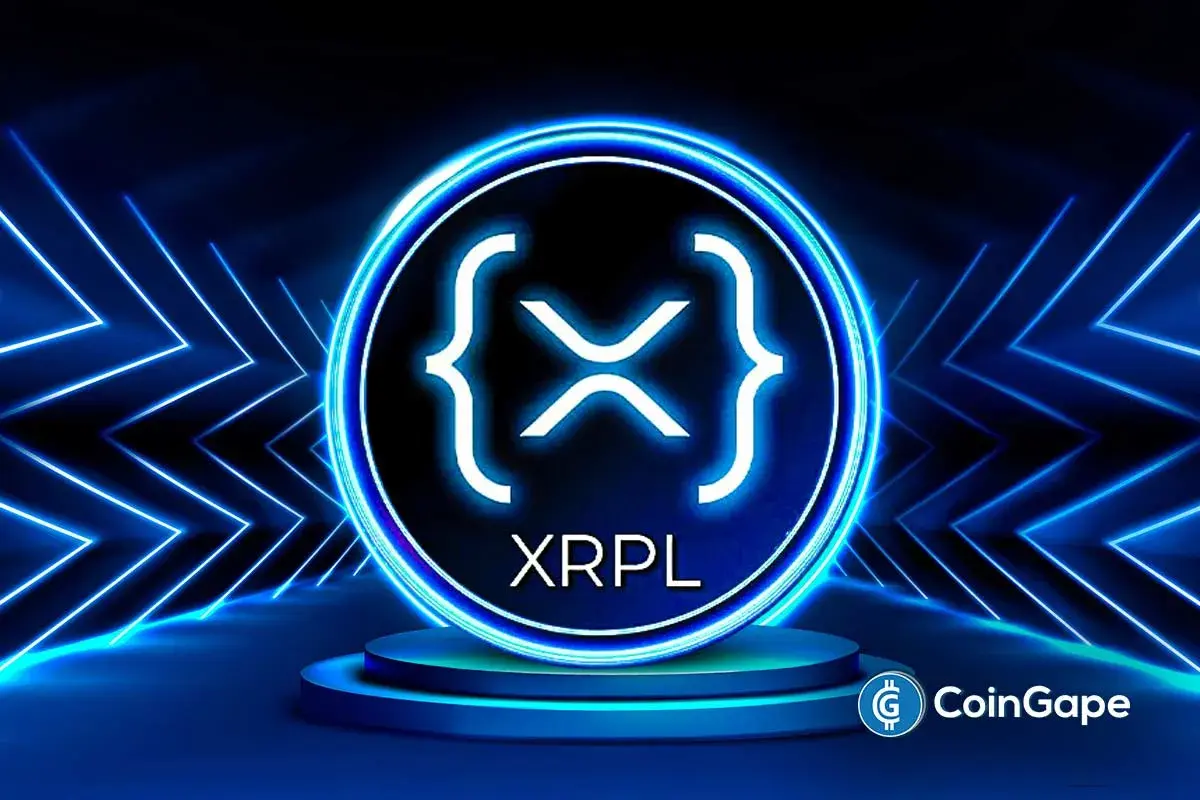
After the release of version 3.2.0 of the XRP Ledger core server software “xrpld,” the community has noted a number of issues. The update, which was released on June 15, added performance enhancements, memory optimizations, and security improvements. The most important update was that it renamed the server software as “xrpld” from “rippled.”


Developers Report Bugs On XRP Ledger v3.2.0
The XRP Ledger update was supposed to be a performance improvement and a memory reduction. However, it has already caused some problems for some developers and memory usage concerns for some operators in the project’s GitHub repository.
One of the most significant reports was an operator of nodes who reported that “xrpld” version 3.2.0 had failed to sync with the network. The software continues to be in a “connected” server state and would not have downloaded any ledger data even though the same machine was able to sync when using version 3.1.3, the issue report states. The issue was posted on June 18 and is still pending.
Another bug report came in shortly after release saying that configuration files with inline comments might cause the server to crash when it tries to parse them, which was determined to be a “BadLexicalCast” error. The report indicated that it was the legacy configuration parser that did not succeed in removing comments from some areas containing single value, which resulted in unexpected failures.
The GitHub issue tracker also lists some open bug reports on XRP Ledger that were reported within a few days of the release. These include peer communication issues, resource charging rules, message parsing policies, message compression, consensus-related routing rules, and amendment processing. Project maintainers classified many of the issues as bugs and triaged them.

Other Flaws On The Network
In addition to the synchronization and configuration parser problems, node operators detected other bugs in the main server software. XRP Ledger developers reported a transaction relay calculation flaw that can cause transactions to be under-relayed to peers.
Moreover, they spotted a resource charging mechanism that only tracks the highest fee and discards previous fees. It also includes a validator list distribution issue, which sends validator information only to inbound peers, excluding outbound peers.
They also flagged risks of unsigned integer overflow during ledger sequence validation. The XRP Ledger members also saw potential inconsistencies in routing flags for transactions and broken nodes’ ID for proposals linked to ephemeral keys.
Further, they highlighted holes in the logic of ledger tracking that can leave nodes in an unknown state for an indefinite period of time. Some of these have been classified as bugs and are still to be reviewed by maintainers.
The reports have come despite hopes that the June 15 upgrade would actually bring some real improvements in performance. Prior to the launch, community conversations had resounded with the expected 30% to 40% memory usage reduction along with other general code optimizations and fixes.
The XRP Ledger Foundation and its contributors are ongoing with reviewing reported issues via the open source development process. There are no reported bugs that cause network-wide disruption as of this writing, and the issue or issues are still being investigated on their project’s GitHub repository. Currently, 26% nodes have been upgraded on the network.
For those looking for decentralized futures trading, visit our page on Perp DEXs.
Instant Currency Exchange at BestChange with Ease
- Compare Rates Across 1000+ Exchanges
- Access 250+ Cryptocurrencies & Pairs
- Save Time with Real-Time Price Tracking
- Trusted & Verified Exchange Listings
Why Trust CoinGape
CoinGape has covered the cryptocurrency industry since 2017, aiming to provide informative insights Read more… to our readers. Our journal analysts bring years of experience in market analysis and blockchain technology to ensure factual accuracy and balanced reporting. By following our Editorial Policy, our writers verify every source, fact-check each story, rely on reputable sources, and attribute quotes and media correctly. We also follow a rigorous Review Methodology when evaluating exchanges and tools. From emerging blockchain projects and coin launches to industry events and technical developments, we cover all facets of the digital asset space with unwavering commitment to timely, relevant information.


Delivered every day.
- Insights that move markets
- 100,000 active subscribers