
USDT Exits EU Markets Today as MiCA’s Final Curtain Falls on Tether




Highlights
- USDT Officially Exits EU Regulated Exchanges as MiCA Deadline Passes
- Tether CEO Rejects MiCA Process: 60% Reserve Requirement Poses Systemic Risk
- Circle's USDC Gains Competitive Advantage as Only Compliant Major Stablecoin
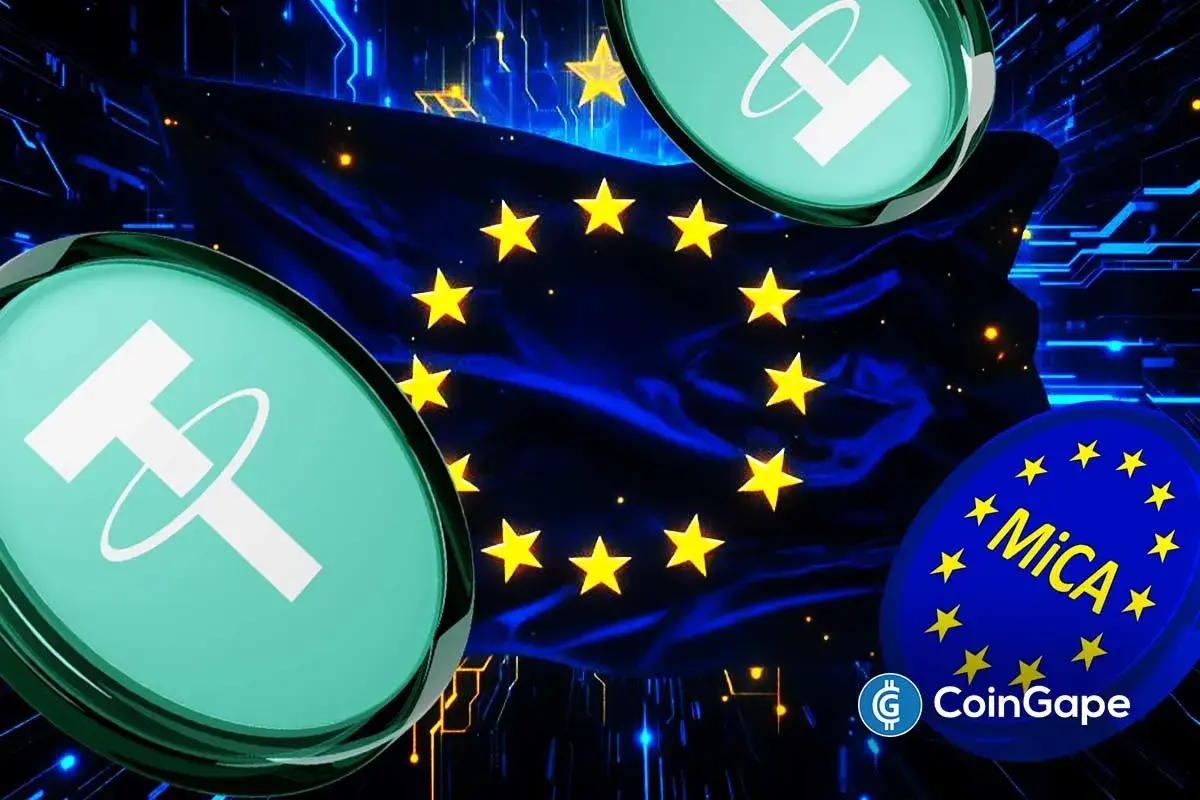
In recent news waves, the EUs USDT MiCA ban is currently taking effect. July 1, 2026 marks the hard deadline for the blocs Markets in crypto-assets rules, and Tether, with its $186 billion USDT, has officially lost the spot on regulated European exchanges. Coinbase, Kraken, and Crypto.com, which are MiCA licensed, have already pulled USDT out of their EU order books. The world’s largest stablecoin by market cap now has no compliant pathway onto any EU-regulated platform.
Why Tether Chose to Walk Away From Europe
Tether, due to some reasons, did not go through the whole MiCA process to get authorization for an e-money token, EMT. CEO Paolo Ardoino argued that the MiCA requirement for 60% of reserves sitting in European bank deposits, poses systemic risk. Tether runs a reserve model built around U.S. Treasuries and global assets. Locking a majority of those funds in EU-supervised banks clashes directly with that structure.
didn't realize this until @paoloardoino said this on his recent OTB interview – EU-based stables under MiCA have to hold 60% of their reserves in uninsured cash deposits at banks (alongside other restrictions). catastrophic regulation
— nic carter (@nic_carter) March 26, 2025
The company also escaped with its euro pegged EURT stablecoin in 2024, an early hint for a quiet European exit. With just 244 MiCA licenses handed out across the bloc before today’s deadline, crypto firms turning to Dubai as an alternative hub shows how fragmented the EU’s compliance race became. Tether chose to step off the track entirely.
The delistings did not happen all at once, they came in waves. Coinbase Europe removed USDT in December 2024, then Crypto.com followed in January 2025. Binance later restricted EU USDT pairs in March 2025. Kraken first moved to a sell-only setup before then fully pausing support.
USDC Steps Into the Gap, and the Stablecoin Market Shifts
Circle moved in the other direction. It secured an Electronic Money Institution (EMI) license in France, which passports across all 27 EU member states. That makes USDC and Circle’s EURC the only two top-10 stablecoins with full MiCA compliance and the go-to dollar routes for nearly every licensed EU platform.
This shift would tighten liquidity in the short term. The EU’s USDT MiCA ban has already resulted in market makers who had run USDT pairs in Europe having to rebuild their order books around USDC.
Tether, however is not leaving Europe as top companies in the likes of StablR and Oobit are in full commitment by having launched MiCA-compliant tokens (EURR and USDR) built on Tether’s Hadron tokenization platform.
Meanwhile, a consortium of 37 EU banks, including BNP Paribas and ING is developing a unified euro stablecoin, Qivalis with the aim of reducing dependence on dollar-pegged alternatives altogether.
The broader picture of which EU countries are making waves in the MiCA licensing race, shows a market still consolidating fast under a single rulebook. Whether that produces a healthier European crypto economy remains to be seen.
Instant Currency Exchange at BestChange with Ease
- Compare Rates Across 1000+ Exchanges
- Access 250+ Cryptocurrencies & Pairs
- Save Time with Real-Time Price Tracking
- Trusted & Verified Exchange Listings
Why Trust CoinGape
CoinGape has covered the cryptocurrency industry since 2017, aiming to provide informative insights Read more… to our readers. Our journal analysts bring years of experience in market analysis and blockchain technology to ensure factual accuracy and balanced reporting. By following our Editorial Policy, our writers verify every source, fact-check each story, rely on reputable sources, and attribute quotes and media correctly. We also follow a rigorous Review Methodology when evaluating exchanges and tools. From emerging blockchain projects and coin launches to industry events and technical developments, we cover all facets of the digital asset space with unwavering commitment to timely, relevant information.





Delivered every day.
- Insights that move markets
- 100,000 active subscribers

Clarity Act (H.R.3633) signed into law in 2026?