


Clarity Act Bipartisan Ethics Talks Intensify as Senator Gillibrand’s Crypto Ties Spark Backlash


Highlights
- Democratic Senator Kirsten Gillibrand is facing backlash from progressive groups over ethics negotiations.
- The groups raised concerns over Senator Gillibrand's crypto ties and son's new crypto venture.
- Odds of Clarity Act passing rise as bipartisan talks on ethics rules are underway.
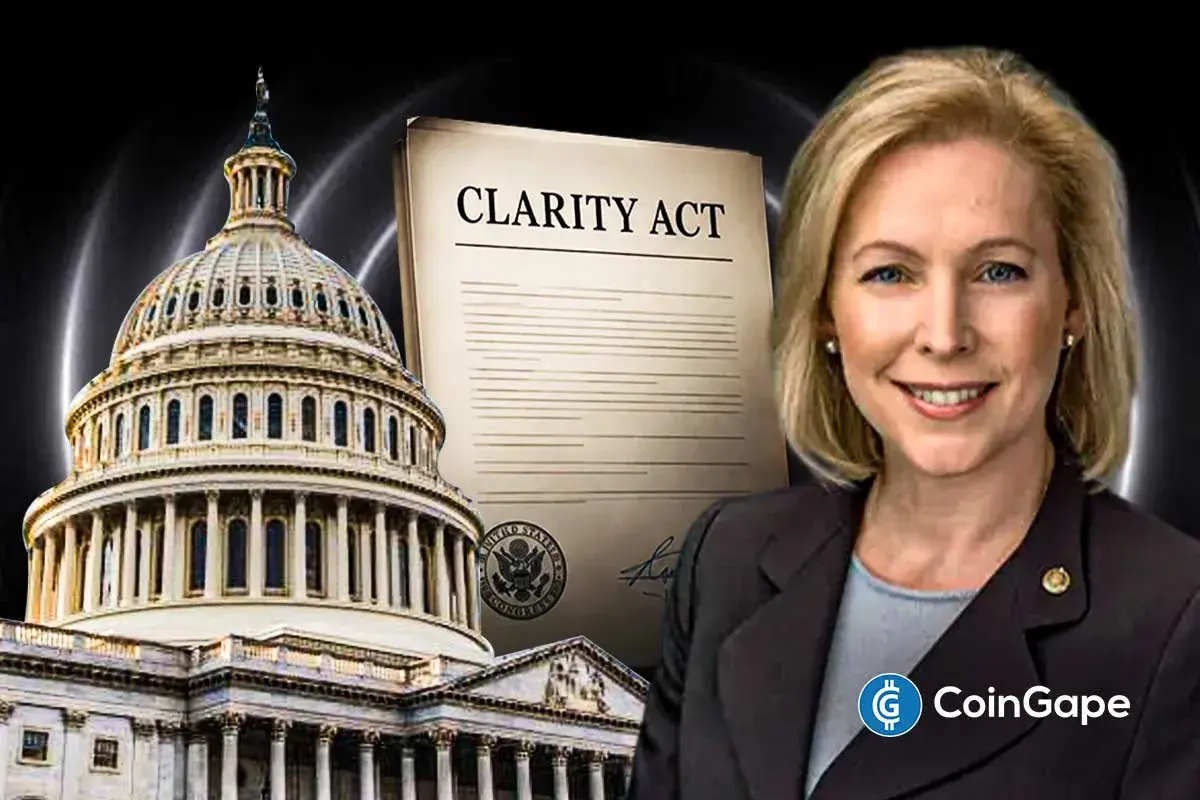
The Clarity Act finally entered the bipartisan negotiations phase on ethics rules after President Trump agreed to ethics provisions. Democratic Senator Kirsten Gillibrand is facing backlash from progressive groups over her efforts to reach compromise in the Clarity Act’s ethics talks.


Clarity Act: Senator Gillibrand Faces Backlash from Progressives
Progressive groups, including Indivisible and Demand Progress, criticized Senator Kirsten Gillibrand as she tries to negotiate a compromise on the Clarity Act, Axios reported. The groups sent a letter to every Democratic Senate office, raising concerns over Gillibrand among Democrats negotiating ethics rules.
“Senator Kirsten Gillibrand, chair of the Democratic Senatorial Campaign Committee (DSCC), is a prime example of a Democratic leader whose conduct undermines efforts to hold the Trump administration accountable for their rampant corruption,” said the groups.
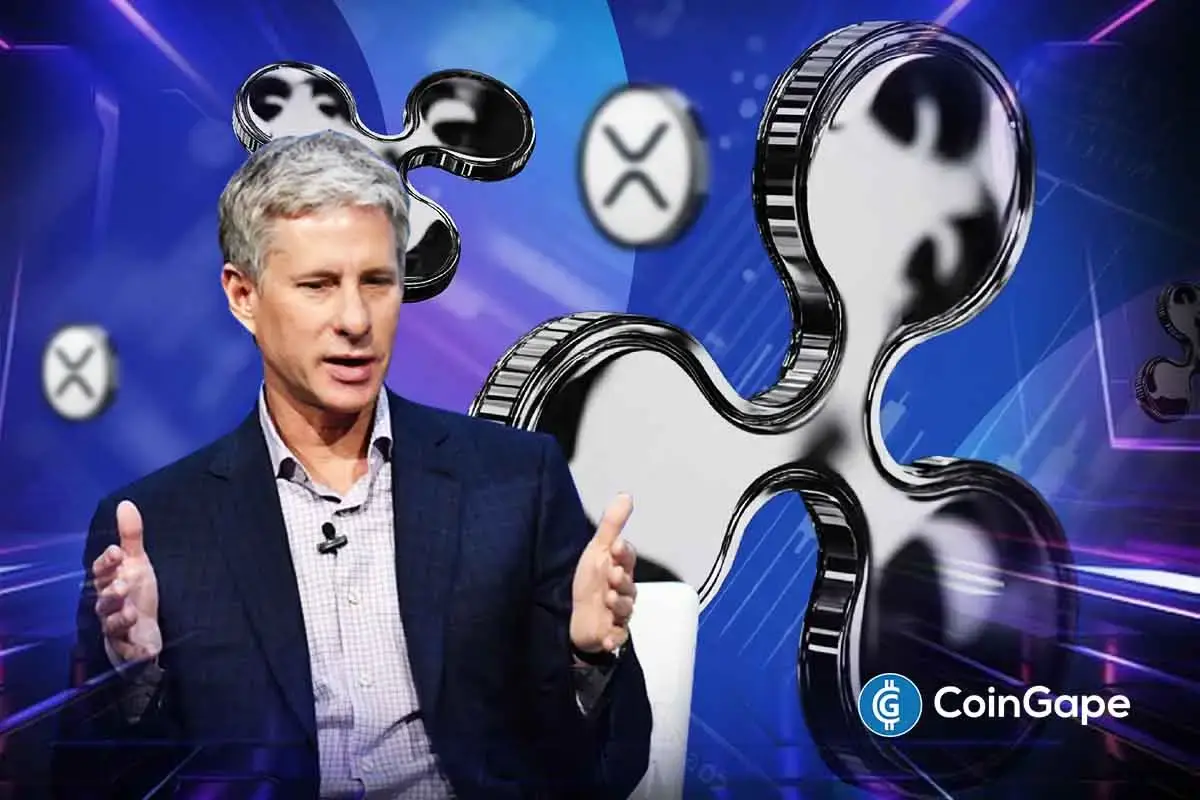
The backlash comes amid Senator Gillibrand’s crypto ties, including her son’s new crypto firm. Notably, Theodore Gillibrand’s American Perpetuals Exchange Corp (APAC) raised millions from investors such as Ripple co-founder Chris Larsen.
As CoinGape reported earlier, APEC plans to offer crypto perpetual futures contracts and is seeking regulatory approval from the Commodity Futures Trading Commission (CFTC). The representatives from American Perpetuals Exchange Corp have also met with SEC-CFTC Harmonization Initiative staff.
This timing has fueled criticism and intensified bipartisan ethics rules negotiations, complicating already delicate Clarity Act negotiations. The progressive groups argue the same conflicts of interest they accuse President Trump of exploiting.


Crypto Bill Advances to Bipartisan Negotiations Stage
Bipartisan talks on ethics rules are underway after the White House, Senator Cynthia Lummis, and Bernie Moreno reached an agreement on the ethics provision in the Clarity Act.
However, the crypto bill faced another hurdle before the new legislative text. This roadblock comes as Senator Thom Tillis, lead negotiator for the Republican Party, claimed the ethics agreement “not quite there,” raising concerns about exemptions in the Clarity Act text.
This signals prolonged ethics rules negotiations, including progressive groups challenging Senator Gillibrand’s crypto ties, could delay Senate vote. The Clarity Act needs 60 votes to pass the Senate, a top priority for Senate Republicans, the White House, and the crypto industry.
Meanwhile, the odds of Clarity Act signed into law in 2026 jumped to above 50% for the first time in weeks. This comes following recent comments by Coinbase Vice Chair Ryan VanGrack and Treasury Secretary Scott Bessent.
News sparked jump in Clarity Act passage odds above 50% for the first time in weeks https://t.co/0WsGHkyBpj pic.twitter.com/vLxrLOFFIW
— zerohedge (@zerohedge) July 22, 2026
To track these real-time political and legislative probabilities on-chain, investors utilize the best crypto prediction markets to hedge regulatory exposure.
Instant Currency Exchange at BestChange with Ease
- Compare Rates Across 1000+ Exchanges
- Access 250+ Cryptocurrencies & Pairs
- Save Time with Real-Time Price Tracking
- Trusted & Verified Exchange Listings

Why Trust CoinGape
CoinGape has covered the cryptocurrency industry since 2017, aiming to provide informative insights Read more… to our readers. Our journal analysts bring years of experience in market analysis and blockchain technology to ensure factual accuracy and balanced reporting. By following our Editorial Policy, our writers verify every source, fact-check each story, rely on reputable sources, and attribute quotes and media correctly. We also follow a rigorous Review Methodology when evaluating exchanges and tools. From emerging blockchain projects and coin launches to industry events and technical developments, we cover all facets of the digital asset space with unwavering commitment to timely, relevant information.



Delivered every day.
- Insights that move markets
- 100,000 active subscribers

Global Onchain Awards 2026