
Ethereum to Let Users Pay Gas Fees With Stablecoins Under Its 2027 Hegotá Upgrade

Highlights
- EIP-8141 will let Ethereum users pay transaction fees through ERC-20 tokens without keeping ETH in wallets.
- Frame Transactions separate authorization, gas payment and execution while keeping settlement inside Ethereum.
- Ethereum Foundation targets a quantum-resistant Layer 1 by December 2029, with Frames supporting key changes.
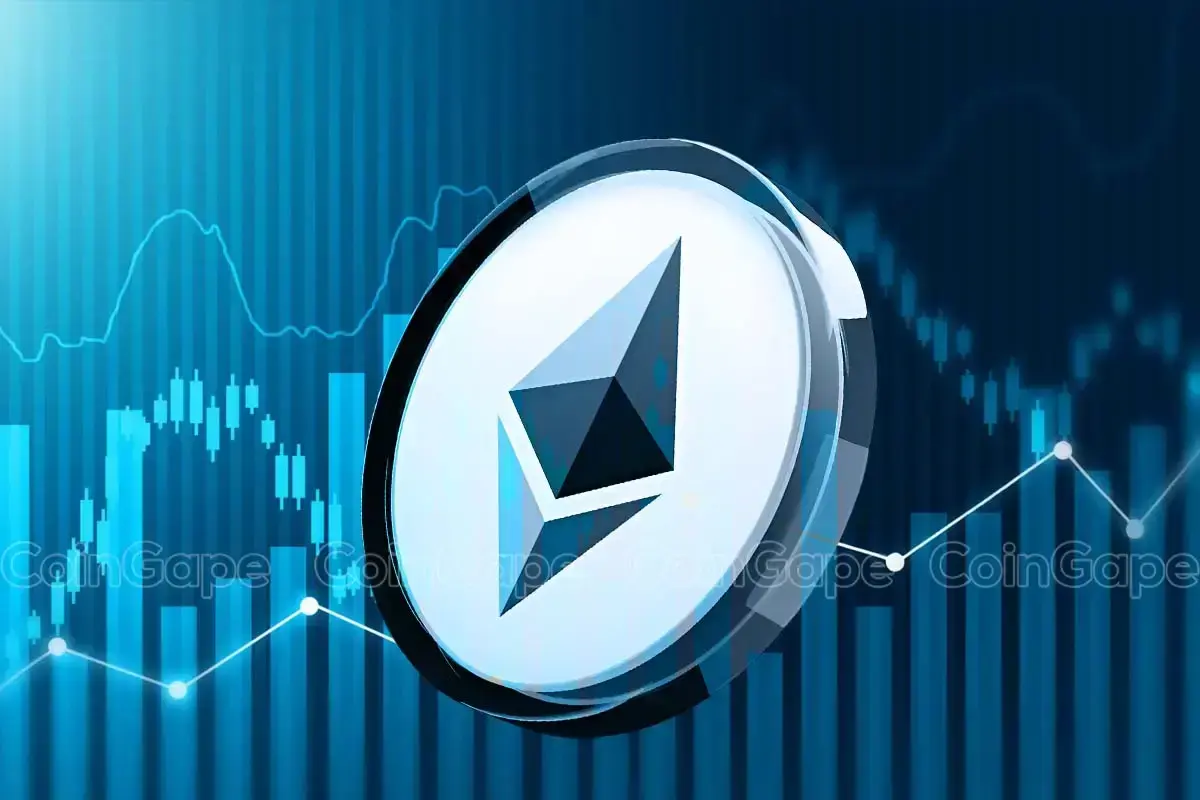
Ethereum developers have moved EIP-8141, known as Frame Transactions, into the Hegotá upgrade planned for 2027. The proposal may grant users the ability to transact without the need to hold ETH just for gas fees.
Under Frames, the authorizing part of the transaction, fee payment, and execution are treated as distinct parts of a normal Ethereum transaction. A payments app that charges the user in stablecoins and covers gas costs.

EIP-8141 Could Remove the Need to Hold ETH for Gas
Today, an Ethereum wallet can hold stablecoins yet still fail to send them without enough ETH for gas. EIP-8141 aims to solve that user experience by implementing programmable fee payments. The proposal enables a different wallet to pay transaction fees, and the sender’s wallet pays the other wallet in ERC-20 tokens. Ethereum would still pay the network fees at the protocol level in ETH.
Subsequently, this distinction would prevent users from paying the Ethereum protocol fee directly in USDC or another stablecoin. A sponsor, on the other hand, could pay ETH and receive stablecoins as transaction outputs from the user.
This method eliminates the need for users to maintain a separate ETH wallet to transfer other assets. Such capabilities can be provided by current wallets as well, but they typically require additional relayer infrastructure.

Frame Transactions Bring Account Abstraction Into Ethereum
Frame Transactions break one transaction into ordered calls to perform validation, payment, and execution. This structure also allows actions to be grouped to be executed together, either successfully or unsuccessfully.
In the proposal, for instance, a token approval and swap might be executed within a single atomic batch. If the swap fails, the related approval can also revert automatically.
Frames also enable accounts to modify their authorization requirements without transferring any funds to a different address. This flexibility helps with key rotation and new signature systems using account code.
Vitalik Buterin is one of EIP-8141’s authors, alongside nine other contributors listed in the specification. The proposal is still in the draft stage, so there may be some minor changes to it before mainnet.
Hegotá Locks Frames Into Its 2027 Upgrade Scope
The Ethereum Foundation’s Protocol cluster lists EIP-8141 as Hegotá’s locked-in execution-layer headliner. The headliner on the consensus layer is called FOCIL (EIP-7805).
The Foundation stated that both proposals have to be shipped safely and be tested together as part of Hegotá’s engineering activity. As per the report, around 60 researchers and engineers helped assess 62 candidate EIPs for the upgrade.
The published tier list rated Frame Transactions as S, thus the proposal is a definition of the fork. For this reason, developers plan around Frames and do not consider it to be an optional extra.
Hegóta follows Glamsterdam, which is currently targeted for December 2026 by the Foundation’s roadmap. However, the client teams may start Hegotá implementation in late 2026.
Frames Also Support Ethereum’s Post-Quantum Roadmap
Frames are also part of Ethereum’s longer security roadmap because account validation becomes more flexible. Accounts could move away from current secp256k1 keys without relocating funds.
By December 2029, the Foundation will be aiming for a quantum-resistant Ethereum Layer 1 across execution, consensus, and data. Frames promote that, and by allowing new signature schemes without separate hard forks, they facilitate it.
However, users are not able to use Frame Transactions on Ethereum mainnet at this time since the EIP specification is still subject to change.
Instant Currency Exchange at BestChange with Ease
- Compare Rates Across 1000+ Exchanges
- Access 250+ Cryptocurrencies & Pairs
- Save Time with Real-Time Price Tracking
- Trusted & Verified Exchange Listings
Why Trust CoinGape
CoinGape has covered the cryptocurrency industry since 2017, aiming to provide informative insights Read more… to our readers. Our journal analysts bring years of experience in market analysis and blockchain technology to ensure factual accuracy and balanced reporting. By following our Editorial Policy, our writers verify every source, fact-check each story, rely on reputable sources, and attribute quotes and media correctly. We also follow a rigorous Review Methodology when evaluating exchanges and tools. From emerging blockchain projects and coin launches to industry events and technical developments, we cover all facets of the digital asset space with unwavering commitment to timely, relevant information.


Delivered every day.
- Insights that move markets
- 100,000 active subscribers

Global ONCHAIN AWARDS 2026