
Gnosis Safe Wallet Drained of $6.45M in Suspected Hack



Highlights
- A Gnosis Safe wallet hack on November 16 drained $6.45 million through a Zodiac Roles module.
- The attacker moved funds into Monero via Hyperliquid ($813,000) and Wagyu ($1.20 million).
- A separate $10 million to $15.5 million exploit hit market makers on Lighter on November 16, prior the Gnosis Safe hack.
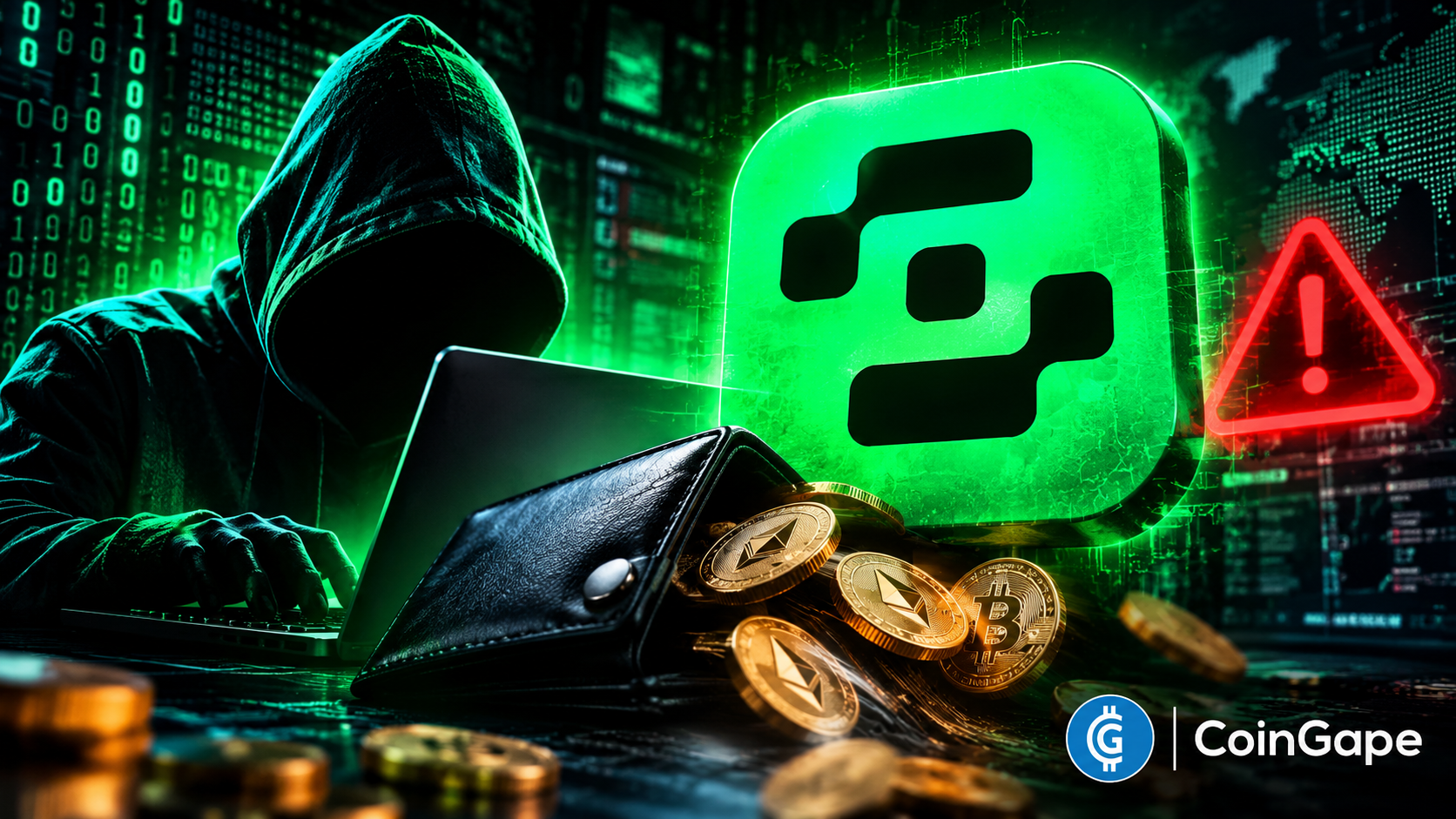
Gnosis Safe has been hit by a security breach that has left $6.45 million drained from its multisig wallet. Following the breach, the attacker began laundering the proceeds into Monero (XMR) across decentralized platforms, including Hyperliquid and Wagyu.
Gnosis Safe losses $6.45 Million in Multisig Wallet Hack
Blockchain security monitor Specter detected a suspected exploit of a Gnosis Safe multisig wallet resulting in $6.45 million in stolen funds. The on-chain analyst says the attacker did not break the multisig contract. Instead, they abused delegated permissions through a compromised or misconfigured Zodiac Roles module attached to the Safe.
The module lets owners give single-signature execution rights to specific addresses or bots. If one of those keys is compromised or the permissions are too broad, an attacker can drain approved tokens without meeting the multisig threshold.
Out of the $6.45 stolen, $4.30 million were in USDC and $1.70 million in syrupUSDC, plus about $0.45 million in other assets. The attacker then moved quickly into Monero (XMR). About $813,000 was bridged to Hyperliquid to buy XMR, and $1.20 million was swapped through Wagyu via cross-chain routing.
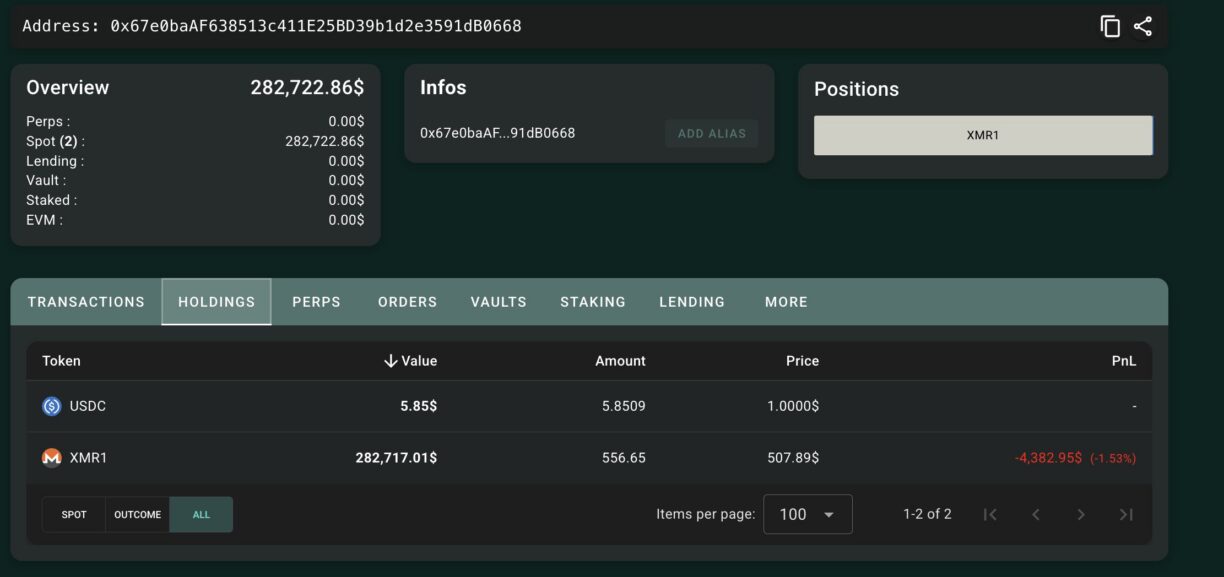
The attacker swapped out the USDC fast since Circle can blacklist addresses holding the stolen assets.
Earlier in the day, a separate $10 million to $15.5 million exploit hit market makers on Lighter, a decentralized derivatives exchange. That attacker also bridged over $1.1 million to Hyperliquid to buy XMR. The exchange has since halted withdrawals upon confirming the attack originated from a leaked API Key.
Crypto Hacks are on the Rise in 2026
The Gnosis and Lighter exploits come just a few weeks from the Binance hack which resulted in $6.34 billion stolen from Binance’s hot wallets on October 29. In that case, Binance said hackers used a fake job interview and an internal AI tool to reach the systems involved.
Blockchain investigators and the U.S Federal Bureau of Investigation (FBI) formally attributed the theft to North Korea’s Lazarus Group. Binance has since replenished all the stolen funds. The attack ws dubbed the largest crypto heist on record, ahead of Bybit’s $1.5 billion hack.
Chainalysis data shows there is a growing trend of crypto attacks. Its 2026 Crypto Crime Report recorded $3.4 billion stolen in 2025, with North Korea responsible for $2.02 billion, up 51% year on year. Chainalysis said North Korea-linked theft in 2026 had passed $1 billion even before Binance, once the Bitget funds were traced.
The string of crypto hacks adds to a market already rattled by a weekend sell-off. Market participants may demand more proof of custody security and avoid platforms with weak controls. Privacy-coin laundering through venues like Hyperliquid could also draw tougher regulatory scrutiny.
Instant Currency Exchange at BestChange with Ease
- Compare Rates Across 1000+ Exchanges
- Access 250+ Cryptocurrencies & Pairs
- Save Time with Real-Time Price Tracking
- Trusted & Verified Exchange Listings

Why Trust CoinGape
CoinGape has covered the cryptocurrency industry since 2017, aiming to provide informative insights Read more… to our readers. Our journal analysts bring years of experience in market analysis and blockchain technology to ensure factual accuracy and balanced reporting. By following our Editorial Policy, our writers verify every source, fact-check each story, rely on reputable sources, and attribute quotes and media correctly. We also follow a rigorous Review Methodology when evaluating exchanges and tools. From emerging blockchain projects and coin launches to industry events and technical developments, we cover all facets of the digital asset space with unwavering commitment to timely, relevant information.



Delivered every day.
- Insights that move markets
- 100,000 active subscribers

CRYPTO IMPACT AWARDS 2026