


Hormuz Bitcoin, USDT Tolls Face Crypto Scam Threat As Hackers Clone Iran’s System


Highlights
- Fraudsters have mimicked Iran's system for crypto tolls.
- These scammers are trying to extract Bitcoin and USDT payments, which the country will accept as toll for the Strait of Hormuz.
- Over 20,000 ships stay stranded in the area as exploiters tried gaining an upper hand.
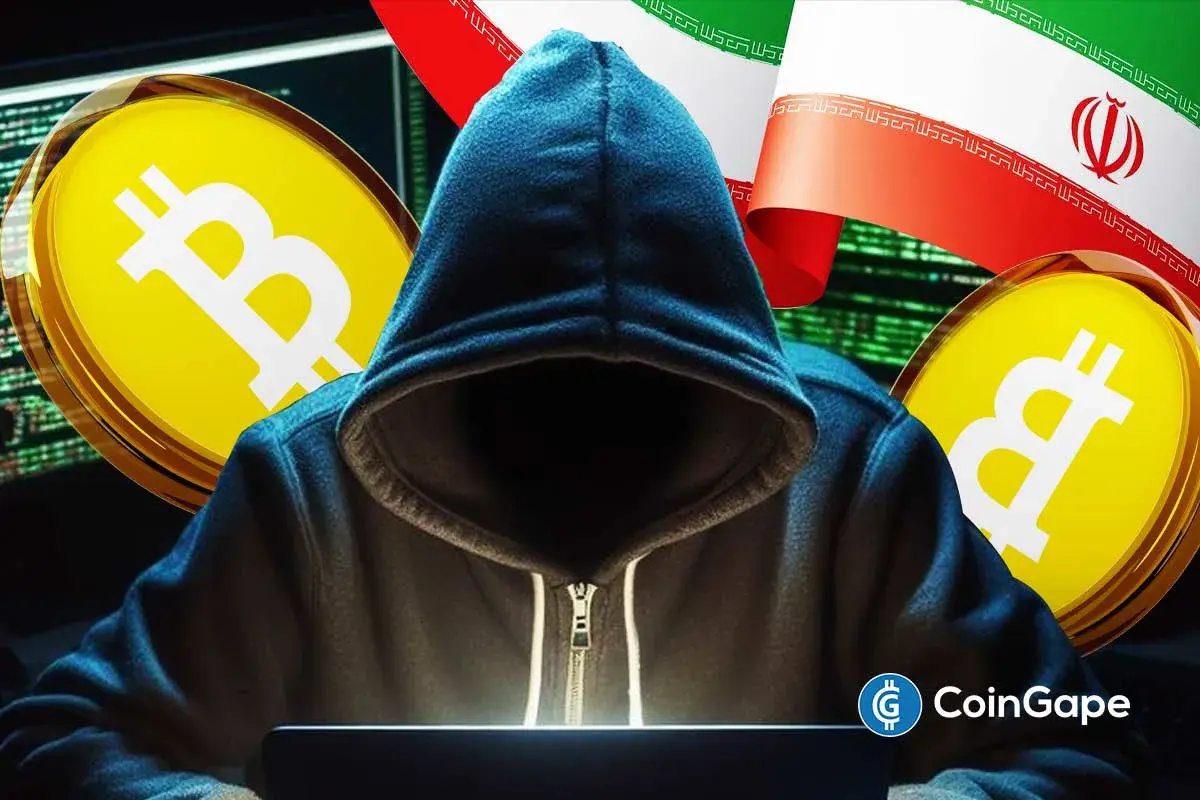
With the increased tensions surrounding the Strait of Hormuz, fraudulent messages have been sent to commercial shipping companies and cybercriminals. The scammers are trying to mimic Iran’s toll system, which accepts Bitcoin (BTC) and Tether (USDT) as payments.


Iran’s Crypto Tolls Become Crypto Scam Target
Security firm MARISKS reported that a number of ship owners were contacted by the messages that purported to be sent by Iranian representatives. These actors supposedly demanded payments in digital currencies like Bitcoin and Tether to pass through the strategic chokepoint.
The firm claimed that “these specific messages are a scam.” It also noted that the messages were not sent by any governmental authority in Iran.
This fraudulent action coincides with geopolitical tensions and disruption in the Strait of Hormuz, one of the most important global energy corridors. It served as the usual route of about 20% of the world’s oil and liquefied natural gas shipments, which is now disrupted. The US has maintained a blockade of Iranian ports while Iran has also blocked the waterway.
With the uncertain ceasefire talks, Tehran considered levying tolls on shipping vessels to pass through the waters safely. This made it even more difficult for the shipping operator but it seemed better than a complete Hormuz blockade. Also, with the US-Iran ceasefire set to expire on Wednesday, things became even more dicey.


MARISKS Reveal Contents of The Fraudulent Messages
Reportedly, two vessels were fired on when trying to leave the Strait. MARISKS cautioned that the deceitful crypto scam could have fooled at least one of these vessels. The security firm noted that one of the ships trying to exit faced gunfire and was also a victim of the crypto scam.
MARISKS reviewed the fraudulent messages and revealed its contents. According to Reuters report, the company said, “After providing the documents and assessing your eligibility by the Iranian Security Services, we will be able to determine the fee to be paid in cryptocurrency (Bitcoin or USDT). Only then will your vessel be able to transit the strait unimpeded at the pre-agreed time.”
Currently, over 20,000 ships remain stranded in the region as the US-Israel-Iran conflict continues.
If you’re looking to earn staking rewards, check out our page on Crypto Staking Platforms.
Instant Currency Exchange at BestChange with Ease
- Compare Rates Across 1000+ Exchanges
- Access 250+ Cryptocurrencies & Pairs
- Save Time with Real-Time Price Tracking
- Trusted & Verified Exchange Listings

Why Trust CoinGape
CoinGape has covered the cryptocurrency industry since 2017, aiming to provide informative insights Read more… to our readers. Our journal analysts bring years of experience in market analysis and blockchain technology to ensure factual accuracy and balanced reporting. By following our Editorial Policy, our writers verify every source, fact-check each story, rely on reputable sources, and attribute quotes and media correctly. We also follow a rigorous Review Methodology when evaluating exchanges and tools. From emerging blockchain projects and coin launches to industry events and technical developments, we cover all facets of the digital asset space with unwavering commitment to timely, relevant information.



Delivered every day.
- Insights that move markets
- 100,000 active subscribers

Global ONCHAIN AWARDS 2026