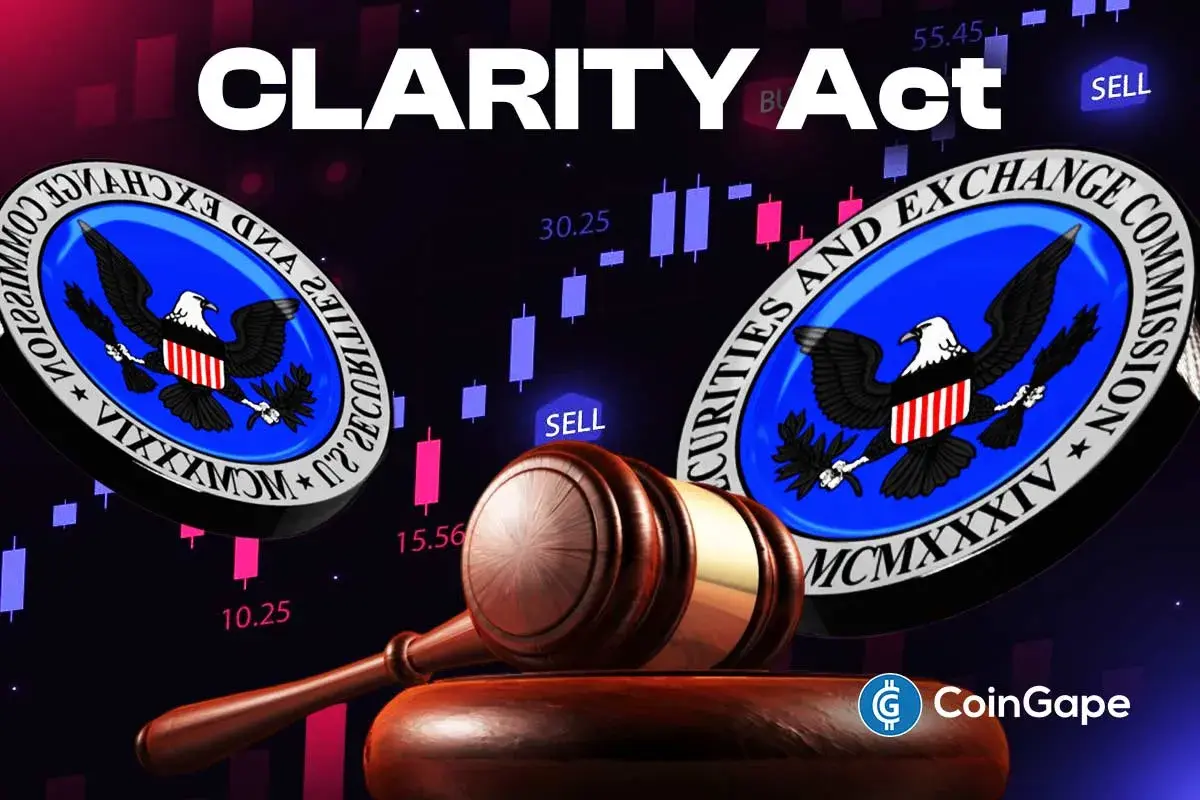

SEC Chair Atkins Says Crypto Agenda Will Proceed Even If CLARITY Act Stalls


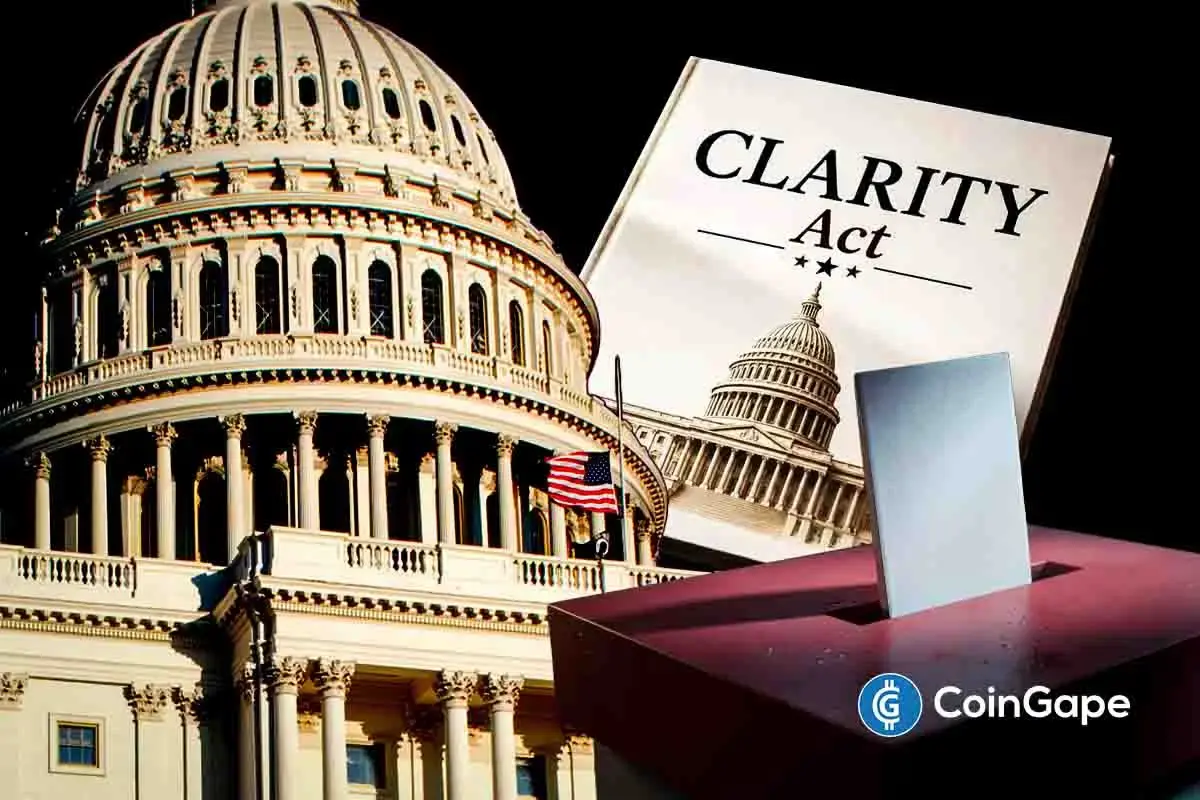
Highlights
- SEC Chair Paul Atkins backed Tuesday's CLARITY Act cloture vote while confirming Project Crypto rulemaking continues regardless of the Senate outcome.
- Atkins detailed three tracks: Regulation Crypto Assets, updated transfer-agent rules, and a self-custody proposal for investment advisers.
- The cloture vote needs 60 votes, so 7+ Democrats must cross over as banking groups and NY attorneys general file opposition.
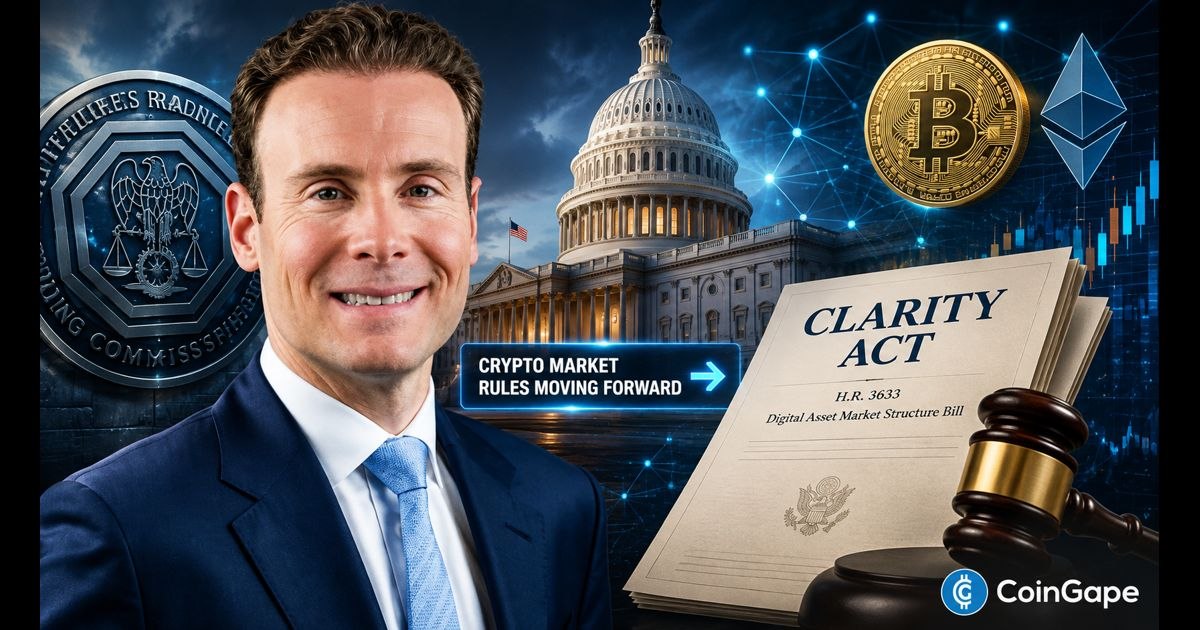
SEC Chairman Paul Atkins used his Sept. 14 keynote at the Solana Policy Institute summit to send a dual-track message to markets.
He backed the CLARITY Act cloture vote set for Tuesday. At the same time, he told investors that Project Crypto, the SEC’s agency-wide crypto rulemaking program, will keep moving regardless of what the Senate decides.
That message shifts the investor read from a binary Senate pass-or-fail to a dual-track regulatory path.


Atkins Lays Out Three Pillars of Project Crypto
Speaking hours before Tuesday’s cloture vote, Atkins confirmed three concrete rulemaking tracks under Project Crypto, regardless of the Senate outcome.
The first is Regulation Crypto Assets. Atkins called it one of the most significant steps the Commission has taken to modernize federal securities law.
If adopted, it would let token founders raise capital in the U.S. under clearly defined rules.
The second covers transfer agents. Atkins said the SEC has not seriously updated those rules in roughly 40 years.
The push is the infrastructure story for tokenized securities and on-chain funds. It is the same ground ARK, BlackRock, and Fidelity’s race for an SEC-approved tokenized fund is already competing over.
The third is the most bankable new detail from the speech. Atkins said he has asked SEC staff to develop a proposal allowing investment advisers to self-custody crypto where a qualified third-party custodian does not yet exist.
He also opened a path for state trust companies to act as custodians. That directly addresses the bottleneck keeping RIAs and fund managers cautious on digital-asset exposure.


Senate Math and What It Means for the Dual-Track Path
The cloture vote requires 60 votes to proceed. Republicans hold 53 Senate seats.
That means at least seven Democrats must cross over. A yes result opens debate. It does not equal final passage.
Sen. Cynthia Lummis has framed the moment as now or never. She noted that Democrats already secured more than 100 changes to the text, including self-custody protections and retail-investor offices.
Her push came alongside President Trump’s agreement on CLARITY Act ethics provisions covering elected officials and their spouses.
Even so, Senate Democrats are still preparing a counterproposal, and banking groups plus New York state attorneys general have filed formal opposition.
That gap is exactly why Atkins’ speech landed where it did. Coinbase CEO Brian Armstrong made the same dual-path argument days earlier.
He argued that regulatory clarity arrives whether or not the Senate clears the CLARITY Act cloture vote.
Atkins’ speech is the SEC’s official confirmation of that same logic.
Grayscale has separately confirmed that crypto regulation will advance regardless of how the CLARITY Act vote goes.
For investors, that alignment between the SEC Chair, the largest U.S. crypto exchange CEO, and a major institutional fund manager points in one direction.
U.S. crypto market structure is now agency-led, with statute as an optional accelerant.
Under Project Crypto, the SEC’s rulemaking calendar does not pause for a Senate vote. Atkins made that clear. The legislative and regulatory clocks are now running in parallel.
Stay updated with our crypto ICOs calendar featuring the most popular initial coin offerings.
Instant Currency Exchange at BestChange with Ease
- Compare Rates Across 1000+ Exchanges
- Access 250+ Cryptocurrencies & Pairs
- Save Time with Real-Time Price Tracking
- Trusted & Verified Exchange Listings

Why Trust CoinGape
CoinGape has covered the cryptocurrency industry since 2017, aiming to provide informative insights Read more… to our readers. Our journal analysts bring years of experience in market analysis and blockchain technology to ensure factual accuracy and balanced reporting. By following our Editorial Policy, our writers verify every source, fact-check each story, rely on reputable sources, and attribute quotes and media correctly. We also follow a rigorous Review Methodology when evaluating exchanges and tools. From emerging blockchain projects and coin launches to industry events and technical developments, we cover all facets of the digital asset space with unwavering commitment to timely, relevant information.


Delivered every day.
- Insights that move markets
- 100,000 active subscribers

CRYPTO IMPACT AWARDS 2026