Brian Armstrong Backs SEC Plan to Expand Private Market Access for Retail Investors


Highlights
- Brian Armstrong backed the SEC’s accredited investor reform in an October 11 X post, calling it “a huge step forward.”
- The SEC proposes qualifying via a FINRA exam, CPA license, CFA charter, or CFP certification, instead of the current wealth-only test.
- Commissioner Hester Peirce backed the notices but questioned whether FINRA alone should design the exam; comments stay open ~60 days.
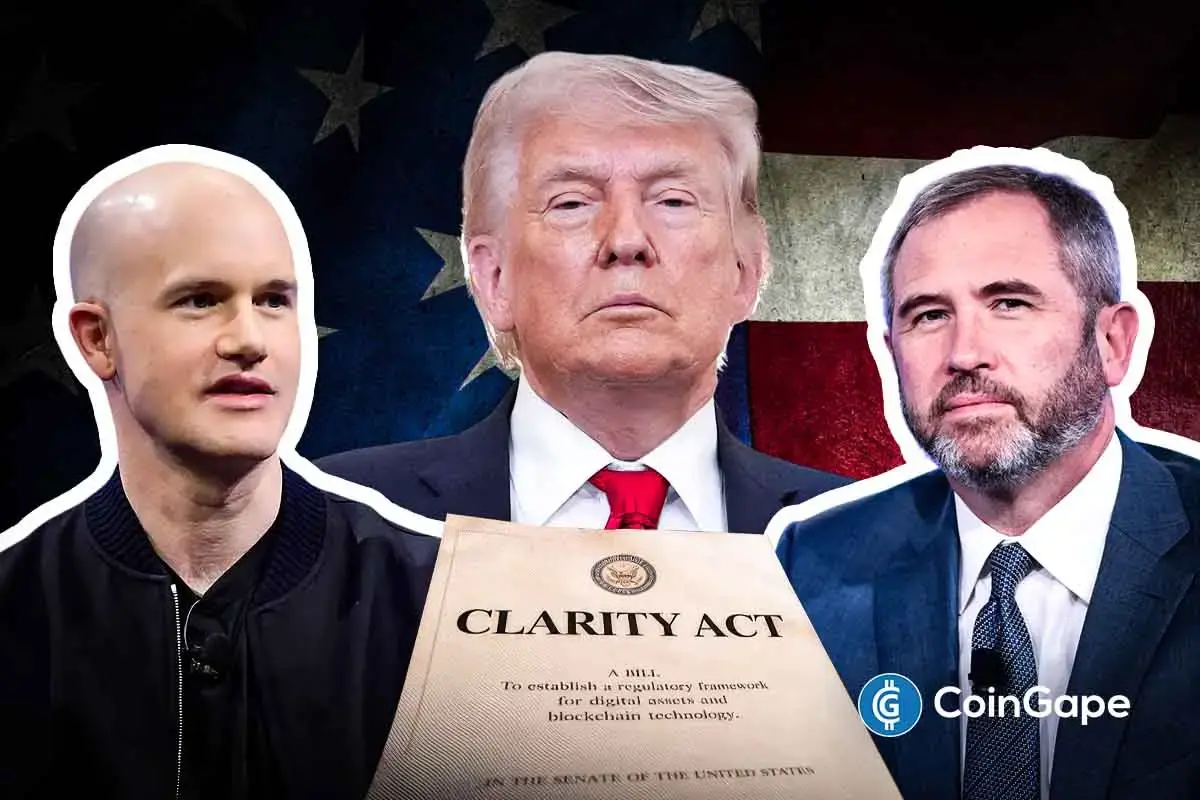
Coinbase CEO Brian Armstrong publicly backed the U.S. Securities and Exchange Commission’s proposal to reform accredited investor rules.
In an October 11 post on X, Armstrong called the initiative “a huge step forward.”
He argued that current wealth-only rules have long shut everyday investors out of private equity, startup rounds, and early-stage deals, all while companies stay private longer than ever.


From Wealth Test to Knowledge Test: What the SEC Is Proposing
Under existing Regulation D rules, individuals generally need $200,000 in annual income, or $1 million in net worth excluding their primary residence, to qualify as an accredited investor.
That gatekeeping has long drawn criticism. Armstrong previously described it as a “regressive tax” that benefits the already-wealthy while locking out everyone else.
On September 30, 2026, the SEC issued notices seeking public comment on several new qualification pathways under Rule 501(a)(10).
The proposals include passing a FINRA-developed exam, modeled on the Securities Industry Essentials test, roughly 75 questions, open to anyone 18 and older, valid for 10 years, as well as holding a U.S. CPA license, a CFA charter, or a CFP certification.
SEC Commissioner Hester Peirce supported the notices, though with reservations. She stated that “wealth and income are not always great proxies for an investor’s sophistication.”
She also questioned whether FINRA alone should design and administer the exam. Nothing is final yet. Comments remain open, generally due 60 days after Federal Register publication.
This aligns with broader SEC moves already underway. The agency recently issued an innovation exemption approving trading of tokenized stocks, signaling a wider push to modernize market-access rules for retail participants.


Private Markets Are Opening, And Crypto Platforms Are Already Moving
Armstrong’s endorsement lands at a critical moment. He noted that retail investors have often missed most of the upside in private companies, only gaining access at or after the IPO.
A merit-based accredited investor system could change that dynamic substantially.
The crypto space is already acting on that demand. Ondo launched pre-IPO AI exposure on-chain for non-US investors, bringing 24/7 tokenized access to pre-listing deals.
Separately, Securitize launched tokenized stock trading for U.S. investors on Solana, further blurring the line between private and public market infrastructure.
Coinbase itself has not stood still. The exchange launched IPO access for U.S. users ahead of the Oura and Anthropic listings, and its VP chair has argued that tokenization is already here.
Meanwhile, OKX-ICE filed for 24/7 tokenized NYSE stocks under the SEC’s innovation exemption, and AAVE surged as Coinbase tokenized stocks launched on Aave V4 Base.
Together, these moves suggest the infrastructure for wider private-market access is outpacing the regulation. Armstrong’s endorsement of the SEC’s accredited investor reform adds high-profile weight to that shift.
Risks remain, private investments are illiquid, valuations are often opaque, and fraud protections still rely heavily on disclosure and enforcement.
But the direction is clear: the wealth-only gate on private markets is under serious pressure from both regulators and industry.
Instant Currency Exchange at BestChange with Ease
- Compare Rates Across 1000+ Exchanges
- Access 250+ Cryptocurrencies & Pairs
- Save Time with Real-Time Price Tracking
- Trusted & Verified Exchange Listings

Why Trust CoinGape
CoinGape has covered the cryptocurrency industry since 2017, aiming to provide informative insights Read more… to our readers. Our journal analysts bring years of experience in market analysis and blockchain technology to ensure factual accuracy and balanced reporting. By following our Editorial Policy, our writers verify every source, fact-check each story, rely on reputable sources, and attribute quotes and media correctly. We also follow a rigorous Review Methodology when evaluating exchanges and tools. From emerging blockchain projects and coin launches to industry events and technical developments, we cover all facets of the digital asset space with unwavering commitment to timely, relevant information.



Delivered every day.
- Insights that move markets
- 100,000 active subscribers

Global ONCHAIN AWARDS 2026